

Why linear drains struggle with hair and soap residue in continuous shower use
Hair entanglement at the grate and soap scum along the channel are the most common reasons linear drain hair and soap residue management breaks down in high-humidity shower environments. In commercial and residential wet areas where water flow is frequent and cleaning cycles are inconsistent, these two materials interact in ways that gradually reduce drainage efficiency and increase maintenance frequency.
What actually happens when hair and soap enter a linear shower drain
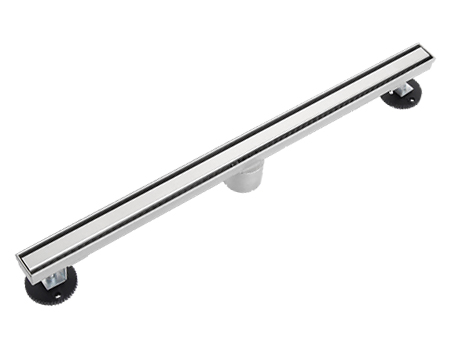
Unlike point drains that concentrate debris into a small basket, linear shower drains spread inflow across a long slot or perforated grate. This design improves surface water capture, but it also changes how hair behaves once it enters the system. Individual strands tend to align with the direction of flow, settling along grate edges or channel corners rather than dropping vertically into a trap.
Soap residue compounds this effect. Most shower soaps contain fatty acids that partially solidify as water temperature fluctuates. When these residues coat stainless steel or plastic channel walls, they create a slightly tacky surface that increases hair adhesion. Over time, hair becomes a structural framework that traps more residue, gradually narrowing the effective flow path.
This interaction explains why users often report that a drain looks visually clear but drains more slowly over weeks of use. The issue is rarely a sudden blockage; it is a progressive reduction in hydraulic cross-section.
Failure patterns seen in high-humidity shower environments
In high-humidity residential and commercial shower environments, two failure patterns appear repeatedly. The first is localized clogging at grate openings, where hair bridges between narrow slots. The second is channel wall buildup, where soap residue forms a film that traps fine debris beyond the reach of routine surface cleaning.
These failure modes directly align with the core pain point faced by contractors and facility managers: frequent call-backs for drains that are technically installed correctly but perform inconsistently over time. Importantly, these issues are not usually caused by material corrosion or manufacturing defects, but by how the drain geometry interacts with real use conditions.
How linear drain design mitigates — but does not eliminate — clog risk
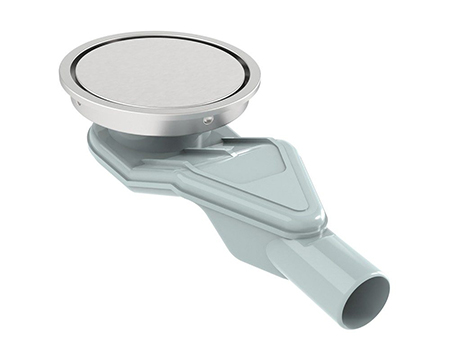
The core engineering advantage of linear drains lies in their extended inlet length and removable grate design. By distributing water intake, they reduce peak flow velocity at any single point, lowering the chance of sudden blockage. Removable grates also make manual cleaning easier compared to sealed point drains.
However, this advantage comes with boundaries. Narrow slot designs improve aesthetics but increase hair bridging risk. Wider perforations improve debris passage but may allow more hair into downstream piping if not paired with an accessible channel. Understanding this trade-off is essential when selecting linear drains for continuous-use showers.
This is why many project teams reviewing long-term performance eventually move from generic drain selection toward a more comprehensive evaluation, often referencing a full buyer framework such as the Linear Drain Buyer Guide for Commercial and Residential Shower Projects when balancing appearance, maintenance access, and flow behavior.
How to diagnose early clog formation before drainage fails
Early signs of hair and soap residue buildup are subtle. Water may clear the surface but linger momentarily at the channel ends. A faint odor may appear even without visible standing water. These symptoms indicate partial obstruction rather than complete blockage.
At this stage, inspection should focus on grate edges and channel corners rather than the outlet alone. If residue appears as a dull film rather than loose debris, mechanical removal combined with warm water flushing is usually more effective than chemical cleaners, which can harden fatty deposits if misused.
Maintenance strategies aligned with real use frequency
For residential showers with daily use, removing and rinsing the grate every few weeks is often sufficient. In commercial restrooms or hospitality projects with heavy usage, weekly inspection is more realistic. The key is aligning maintenance frequency with actual use, not with generic cleaning schedules.
Design choices made during specification directly affect how realistic these routines are. Drains that require tool-based disassembly tend to be cleaned less often, increasing long-term clog risk even if their initial flow performance is high.
How performance is evaluated through flow and debris testing
From an engineering validation standpoint, clog resistance is typically evaluated through flow rate tests and debris clogging simulation tests. These tests introduce controlled amounts of hair-like fibers and soap analogues into the drain while monitoring flow reduction over time.
Although specific standards vary by region, this testing approach mirrors principles found in recognized frameworks such as EN 1253 floor drain performance testing, which emphasizes sustained drainage capacity under realistic conditions rather than single-pass flow results.
Selection implications for projects with persistent clog complaints
If a project experiences repeated hair and soap residue issues, the solution is rarely a single design tweak. It often requires reassessing grate geometry, channel accessibility, and maintenance expectations together. Selecting a linear drain solely on appearance, without considering how debris behaves in that geometry, almost guarantees recurring problems.
For teams evaluating alternatives, reviewing multiple configurations within a broader selection framework helps clarify which trade-offs are acceptable for the specific environment. This is where a structured overview like the full linear drain buyer guide becomes a practical decision tool rather than a marketing reference.
Standards, validation, and long-term reliability context
Content here is developed based on material performance analysis, flow rate testing, and debris clogging simulation methods commonly used for shower drainage evaluation. These methods reflect real-world high-humidity shower environments where hair accumulation and soap residue buildup occur gradually rather than as sudden failures.
By anchoring evaluation to measurable flow behavior and maintenance accessibility, project teams can distinguish between drains that perform well initially and those that remain reliable after months or years of use.
When linear drain hair and soap residue management is treated as a predictable engineering challenge rather than an unexpected defect, long-term performance becomes far easier to control. Aligning drain geometry, maintenance access, and validation testing with the realities of high-humidity shower environments allows linear drains to deliver on their core advantage: consistent drainage with manageable upkeep instead of recurring surprises.