
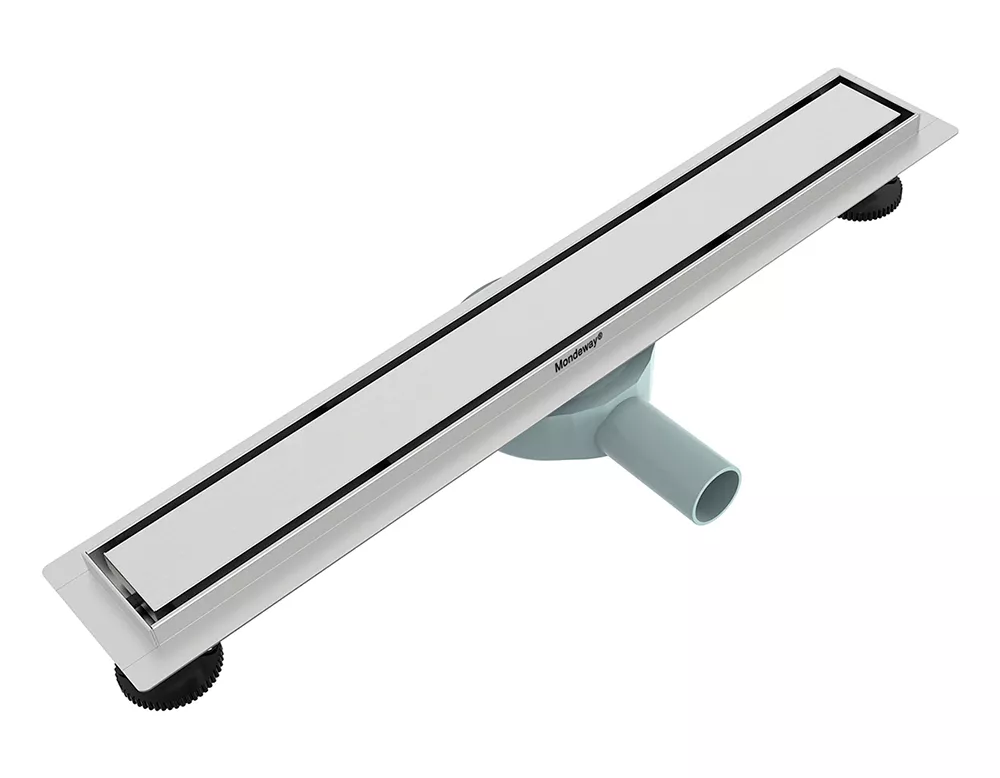
Why linear drain discoloration over time appears in high-humidity shower environments
Seeing a stainless steel channel gradually turn dull, patchy, or uneven in tone is a common concern in wet-area bathrooms.
Linear drain discoloration over time rarely indicates immediate functional failure, but it raises understandable questions about
material durability, cleaning practices, and whether the installation is suitable for long-term use in a high-humidity bathroom environment.
What discoloration looks like in real shower installations
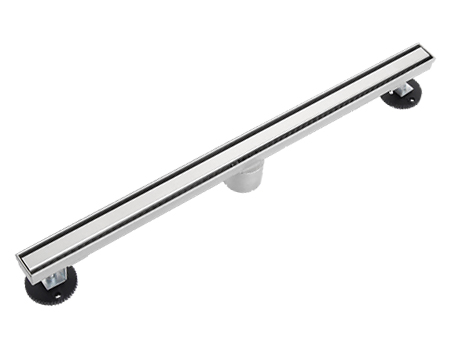
In practice, discoloration may present as a yellowish tint, darker gray patches, rainbow-like surface films, or uneven matte areas
along the visible channel. These changes typically develop gradually rather than suddenly, and they are most noticeable under direct
lighting in modern residential or commercial showers where visual uniformity matters.
For designers and contractors working on hospitality or multi-unit residential projects, surface appearance is closely tied to
perceived build quality. Even when drainage performance remains intact, visual changes can trigger complaints, maintenance calls,
or premature replacement discussions.
Why stainless steel linear drains discolor over time
Stainless steel is selected for linear drains because of its corrosion resistance and structural stability in wet environments.
However, corrosion resistance does not mean immunity to all surface reactions. Discoloration is usually the result of controlled
chemical changes on the surface rather than deep material degradation.
Surface oxidation in high humidity
In a high-humidity bathroom environment, stainless steel continuously forms and reforms a thin passive oxide layer. This layer is
what protects the metal from deeper corrosion. Under certain conditions—constant moisture, warm temperatures, and limited airflow—
the oxide layer can thicken unevenly, leading to visible color variation.
These oxide films are generally harmless from a structural perspective, but they alter how light reflects from the surface,
which explains the dull or slightly iridescent appearance sometimes seen after months or years of use.
Chemical cleaner interaction
One of the most common contributors to discoloration is aggressive cleaning chemistry. Acidic descalers, chlorine-based cleaners,
and abrasive powders can all disrupt the passive surface layer of stainless steel.
When cleaning residues are not thoroughly rinsed away, repeated exposure accelerates uneven surface reactions. Over time, this
produces patchy discoloration that mirrors cleaning patterns rather than water flow patterns, a clue often overlooked during troubleshooting.
Does discoloration mean the drain is failing?
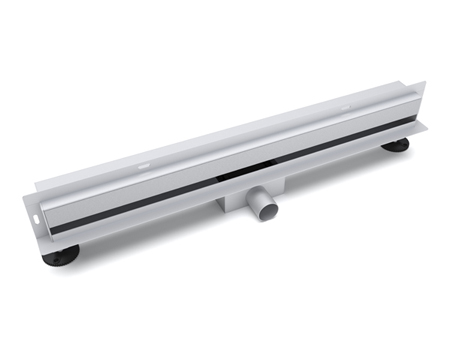
From an engineering standpoint focused on lifecycle performance, surface discoloration alone does not equal functional failure.
Drainage capacity, odor control, and structural integrity are typically unaffected.
That said, discoloration can signal that the surface finish is being stressed beyond its ideal maintenance envelope. If left
unchecked, the same conditions that cause visual changes may eventually contribute to more serious issues such as localized corrosion
around welds or edges.
Typical failure modes linked to surface discoloration
The most relevant failure mode associated with discoloration is surface oxidation combined with chemical corrosion from cleaning agents.
This process remains shallow in most residential and commercial shower installations, but it defines the boundary where maintenance
choices start to matter.
In poorly ventilated bathrooms or facilities with very high cleaning frequency, surface durability can degrade faster than expected.
Understanding this relationship is essential when specifying linear drains for hotels, gyms, or healthcare facilities.
How testing standards relate to discoloration resistance
Evaluating discoloration risk is not guesswork. Manufacturers rely on corrosion resistance tests and surface durability tests to
simulate long-term exposure in wet environments. These tests assess how stainless steel finishes respond to moisture, cleaning
chemicals, and mechanical wear.
Standards and material test methods referenced by organizations such as
ASTM International provide structured ways to compare surface
stability across different finishes and material grades without relying solely on visual inspection.
Practical steps to reduce discoloration risk
Discoloration is best managed through a combination of appropriate material selection, realistic maintenance planning, and
clear communication with end users. Brushed or satin finishes often age more gracefully than mirror-polished surfaces in
high-humidity shower zones.
Equally important is aligning cleaning protocols with the material’s surface chemistry. Neutral pH cleaners and thorough rinsing
significantly slow down surface reactions, preserving both appearance and long-term performance.
When discoloration becomes a selection issue
For projects where visual consistency is critical, early selection decisions matter more than after-the-fact maintenance.
Understanding how different linear drain designs and finishes behave over time helps avoid unnecessary replacements.
In these cases, reviewing a more comprehensive overview of design options, materials, and maintenance trade-offs is often helpful.
A broader perspective is available in the
Linear Drain Buyer Guide for Commercial and Residential Shower Projects
, which places surface durability in the context of overall drainage performance.
Balancing appearance and long-term reliability
The engineering advantage of stainless steel linear drains lies in their ability to maintain structural and functional stability
under continuous moisture exposure. Discoloration represents a cosmetic boundary rather than a sudden loss of performance.
By treating surface aging as a predictable outcome influenced by environment, cleaning chemistry, and finish selection, project teams
can make informed decisions that align expectations with real-world performance.
Standards, validation, and real-world confidence
Confidence in long-term performance comes from understanding how products are evaluated. Corrosion resistance and surface durability
tests provide measurable insight into how finishes behave before installation, not after complaints arise.
This content is developed based on material performance analysis, standardized corrosion and surface durability testing references,
and real-world application scenarios related to high-humidity bathroom environments. Product specifications and testing data used
for this analysis are derived from internal product documentation and publicly available standards.
When linear drain discoloration over time is viewed through the lens of environment, testing, and maintenance discipline, it becomes
a manageable design consideration rather than an unexpected defect. Aligning surface finish choices with realistic use conditions
remains the most reliable way to ensure both appearance and performance age gracefully together.