
Difference Between Horizontal and Vertical Outlet Linear Drains for Shower Floor Design
Choosing between horizontal and vertical outlet linear drains often comes down to how pipe routing, slab depth, and hydraulic behavior interact in real shower installations. In commercial and residential shower floors, the outlet orientation quietly determines whether water clears efficiently or whether installers struggle with misalignment and reduced flow capacity over time.
How outlet orientation shapes linear drain performance
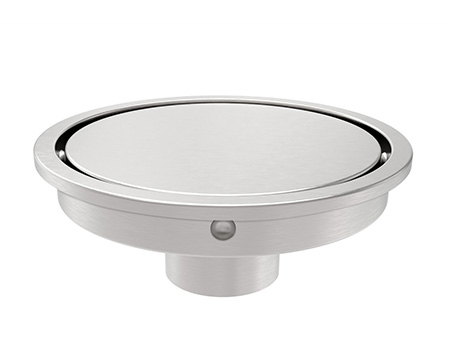
Linear drains appear similar at surface level, yet the outlet orientation underneath changes how water is collected and discharged into the plumbing system. Horizontal outlets redirect water laterally before it drops into the waste line, while vertical outlets send water straight down through the slab. This distinction influences both hydraulic efficiency and installation feasibility in high-humidity shower environments.
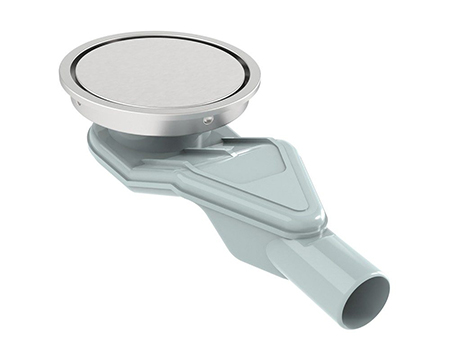
Horizontal outlet designs are often selected when slab thickness is limited or when the waste pipe must connect to an existing horizontal branch. Vertical outlet drains, by contrast, are favored in new builds where sufficient slab depth allows a direct downward connection that minimizes internal turns.
Installation constraints in commercial and residential showers
In residential bathrooms, renovation constraints frequently dictate outlet choice. Shallow slabs, post-tensioned concrete, or limited floor buildup make horizontal outlet linear drains easier to integrate without structural modification. Commercial projects, especially hotels and gyms, may prioritize vertical outlets when floor assemblies allow, as they simplify drainage geometry.
Misjudging these constraints is a common source of installation misalignment. When the outlet orientation conflicts with pipe routing, installers may be forced into tight bends or offsets that reduce flow capacity and complicate long-term maintenance.
Hydraulic flow behavior and capacity trade-offs
From a hydraulic standpoint, vertical outlets typically provide the most direct flow path, reducing turbulence and energy loss. Horizontal outlets introduce an additional directional change, which can marginally reduce peak flow rate if the internal geometry is not well designed.
In practice, well-engineered horizontal outlet linear drains compensate for this by optimizing channel cross-section and outlet transitions. For many shower applications, the difference in usable flow capacity is negligible when compared against the overall drainage system design.
Which option suits different shower scenarios?
For residential wet-area renovations, horizontal outlet linear drains are often the pragmatic choice. They accommodate existing plumbing layouts and reduce the need for invasive slab work. In contrast, vertical outlet drains align well with new construction where plumbing can be planned holistically from the outset.
Project engineers evaluating multiple drain families often review both orientations within the broader Linear Shower Drain category to ensure compatibility with floor buildup, waterproofing layers, and maintenance access.
Typical risks when outlet orientation is overlooked
Reduced flow capacity or subtle installation misalignment rarely cause immediate failure, but over time they can lead to slow drainage, pooling, or difficult cleaning access. These issues become more pronounced in high-usage commercial showers where water load and debris accumulation are higher.
Treating outlet orientation as a core design parameter rather than an afterthought helps prevent these avoidable compromises.
How outlet orientation is validated in practice
Reliable linear drain selection relies on verification rather than assumption. Flow rate testing confirms that the chosen outlet orientation can handle expected water volumes, while dimensional accuracy inspection ensures alignment with the planned pipe layout. These checks are particularly relevant in high-humidity shower environments where performance margins are narrow.
Industry practices often reference standardized flow rate tests and dimensional inspections aligned with recognized frameworks such as ASTM International and EN 1253 Floor Drains for Buildings. These methods help translate design intent into measurable performance.
Decision guidance for project engineers
When comparing horizontal vs vertical outlet linear drains, the most reliable decisions come from aligning outlet orientation with slab conditions, pipe routing, and verified hydraulic performance. Vertical outlets reward projects with adequate depth and clean layouts, while horizontal outlets provide flexibility where constraints dominate.
For teams managing multiple bathroom accessories, consolidating these considerations into a single selection framework reduces rework and installation risk. A more comprehensive overview of compatible drain configurations and related components is available in the broader linear drain buyer guide for shower projects, which places outlet orientation within the full system context.
Ultimately, horizontal and vertical outlet linear drains both deliver reliable performance when specified with realistic constraints in mind. By validating flow behavior through standardized testing and respecting the physical limits of the installation environment, project teams can avoid misalignment issues and achieve consistent drainage performance over the long term.