
2 in Channel Drain Hidden Gem for Narrow Wet Zones
Reference Standard: Relevant drain and quality references include EN 1253-1 for building drainage components, ISO 9001 quality management logic, and market-specific listing programs such as cUPC and WaterMark when confirmed for the exact model.
Short Answer
A narrow bathroom channel drain is not only a metal or plastic strip placed in the floor. In real use, it becomes a small sorting line for water, sand, foam, hair, and cleaning residue. The supplier background confirms drain production using material families such as SS304, SS316, ABS, and PVC, with processes including stamping, laser cutting, bending, welding, surface treatment, air testing, OEM logo work, and export packing. What is not confirmed is equally important: the catalog does not provide a dedicated two-inch model drawing, flow rate, channel depth, outlet diameter, load rating, grate structure, or anti-odor mechanism. That means the safe article angle is not “this model has these hidden features.” The stronger angle is “this narrow drain category needs evidence before buyers convert a search phrase into an engineering decision.”
When a 2 in Channel Drain Becomes a Sediment Sorting Line
A narrow drain channel receives more than water. In a shower room, it receives suspended hair, mineral particles, sand from feet, soap foam, skin residue, shampoo film, and cleaner dilution. The phrase 2 inch channel drain may imply a compact opening, but without a verified drawing it should not be read as proof of exact internal hydraulic behavior. The confirmed catalog background supports the broader drain category: Mondeway lists shower drains and floor drains, shows a drain production line, and identifies materials such as SS304, SS316, ABS, and PVC. That is enough to discuss likely material and process boundaries, but not enough to claim a fixed channel geometry.
The physical mechanism is simple but often overlooked. Water accelerates through the most open path, while heavier particles lag behind. Hair behaves differently: it is light enough to move with shallow water but long enough to bridge across edges, corners, or surface irregularities. Soap residue forms a thin film, then captures dust and small particles. In a narrow channel, these materials do not fail all at once. They separate into moving residue, intermittent residue, and anchored residue. Moving residue disappears with normal rinse flow. Intermittent residue shifts after each shower. Anchored residue begins to define future blockage behavior.
This is where material selection matters without becoming a false promise. SS304 and SS316 stainless steel are commonly selected for wet environments because stainless steel forms a passive chromium oxide layer that improves corrosion resistance. SS316 generally provides stronger resistance in chloride-bearing environments than SS304 due to molybdenum content, but the catalog does not assign a confirmed grade to this exact two-inch model. ABS and PVC may fit lighter, cost-sensitive parts, but their thermal and structural behavior differs from stainless steel. A buyer should ask whether the drain body, cover, outlet connector, and accessories use the same material family or mixed components.
Edge-case model: imagine a bathroom that sees repeated sand entry from outdoor footwear, frequent shampoo use, and low-rinse cleaning habits. At the early stage, fine particles move along the bottom of the channel and settle near slower water zones. At the middle stage, soap film binds those particles into a visible dull line. At the stress limit, hair strands become a lattice that traps more residue. No special product failure has to occur. The geometry and residue load simply begin to define the maintenance burden.
Cross-dimensional comparison test: compare a clean-water rinse scenario with a mixed-residue scenario. In the first, water behavior is mostly about slope, opening area, and outlet path. In the second, the same drain must manage friction, surface wetting, particle delay, and fiber bridging. The second case is closer to real bathrooms. A narrow drain should be judged not only by how it looks when new, but by how quickly residue becomes visible and where that residue chooses to stay.
For buyers, the hidden gem is not a secret feature. It is the discipline of asking: “Where will sediment pause first?” That question is more useful than asking whether the drain is simply stainless steel, modern, slim, or easy to clean.
The First 30 Seconds After Shower Water Hits the Channel
The first half-minute of water contact tells a practical story. At second 0 to 5, water seeks the lowest available path. Foam expands, hair floats, and fine particles remain suspended if turbulence is sufficient. At second 5 to 15, water begins to separate materials by drag. Foam moves toward the opening, hair rotates and catches, and sand tends to settle if the local water velocity drops. At second 15 to 30, the channel begins revealing weak points: slow corners, visible residue streaks, small backflow zones, or areas where foam fails to clear.
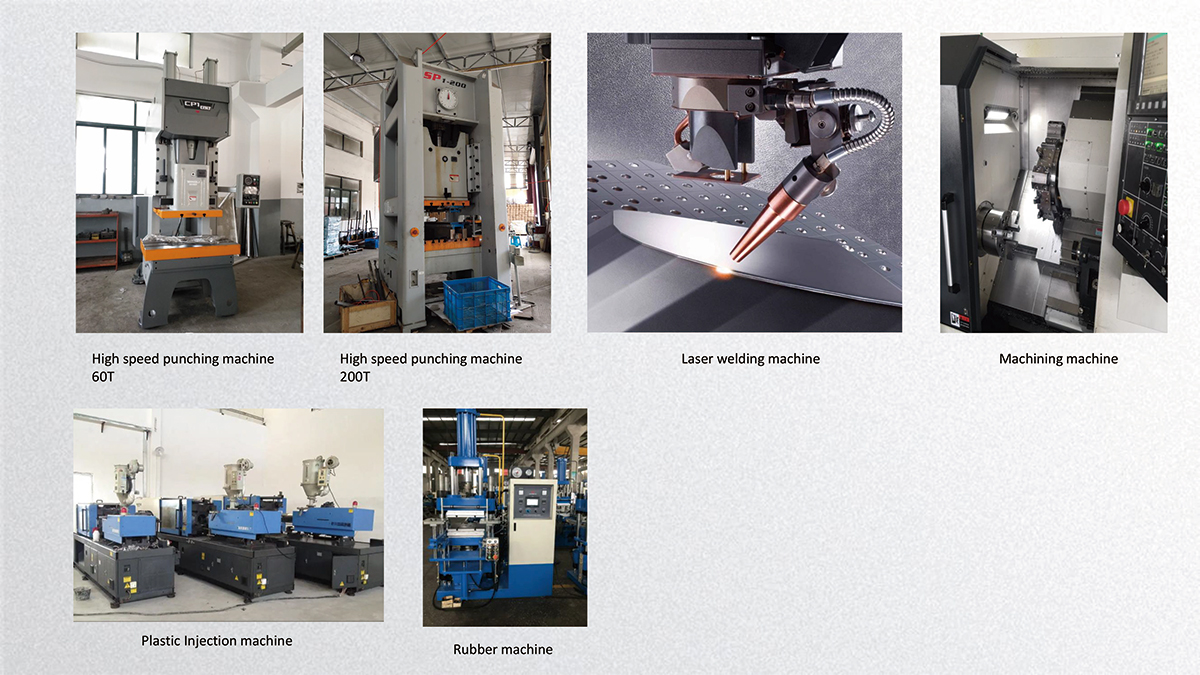
The catalog-backed manufacturing context allows a cautious engineering discussion. Mondeway describes production capabilities including laser cutting, bending, welding, brushed surface work, sandblasting, surface treatment, packing, and air leakage testing for drains. These processes matter because a channel drain is a sequence of surfaces and joints, not just a drain opening. Laser cutting affects edge definition. Bending affects line continuity. Welding affects joint integrity. Surface treatment affects residue visibility and corrosion exposure. Air testing checks leakage risk, but it does not replace a buyer’s need to confirm exact drainage geometry.

A useful extreme scenario is the “cold rinse after heavy shampoo load” model. Cold water can leave viscous soap film more slowly than warm water. Hair does not dissolve; it relocates. Fine sand does not vanish; it either exits or settles. In the early phase, the surface looks clean because water still covers the channel. In the middle phase, the water line drops and the first dull streaks appear. In the limit phase, those streaks become recurring deposits that return after every shower.
A second cross-dimensional test compares visible finish behavior against hydraulic behavior. A brushed or matte silver surface may make small lines more visible than a darker powder-coated surface. A black finish may hide some early residue but reveal mineral marks, depending on water hardness and cleaning habits. This does not mean one finish is universally better. It means buyers should evaluate visibility, cleaning expectation, and user tolerance together.
The microstructure explanation is also relevant. Stainless steel surfaces are not perfectly smooth at the microscopic level. Cutting, brushing, blasting, welding, and cleaning can change surface texture. A more textured surface may increase friction for certain particles, while a smoother treated surface may reduce attachment but show water marks differently. Pickling, electrical polishing, and passivation are catalog-listed surface treatment workshop capabilities, and they are relevant to removing welding contamination and supporting surface quality. The exact finish for a specific two-inch channel drain still requires supplier confirmation.
KEY TAKEAWAYS
- Foam that remains in one end of the channel after rinse can indicate a low-flow or slow-clearing zone.
- Reappearing dark or dull streaks may show where soap film and fine particles repeatedly settle.
- Hair that bridges the opening rather than moving toward the outlet can signal a maintenance-sensitive channel path.
Odor Is Not a Smell Problem First, It Is a Retention Pattern
Bathroom drain odor is often described as a smell issue, but the more useful engineering view is retention. Odor usually develops when organic residue remains wet long enough to support microbial activity or stagnant films. A channel drain in a shower room receives diluted shampoo, skin oils, hair, dust, and sometimes sand. If these substances clear quickly, odor risk is lower. If they sit in the same micro-zone, they become a repeated moisture and residue source.
The catalog supports the category boundary: the supplier works with bathroom accessories used in shower rooms and lists shower drains and floor drains. It does not provide a confirmed anti-odor structure, water seal height, filter basket geometry, removable cover design, insect barrier, or trap detail for the exact 2 in channel drain. That means no article should promise anti-odor, anti-gnat, or anti-clog performance. A responsible article explains the retention pathway and gives the buyer a question set.
Mechanism breakdown: organic matter behaves differently from mineral matter. Sand contributes blockage mass and abrasion potential, but it is not the main odor source. Hair creates structure. Soap film creates adhesion. Skin oil and organic residue create nutrient load. Moisture creates the operating environment. When these four conditions overlap, odor can appear without any dramatic clog. The drain may still move water, yet a thin wet residue band can remain active below the visible surface.
A useful comparison case is “fast rinse, poor residue clearance” versus “slower rinse, better residue exit.” The first may look effective because water disappears quickly, but it may leave hair and foam at the channel edge. The second may appear less dramatic but clear residue more evenly if the channel path and outlet geometry support it. Since the catalog does not confirm model geometry, the buyer should request photos, drawings, and sample inspection rather than relying on the phrase “2 in.”
The material angle must remain narrow and factual. Stainless steel drain bodies can be suitable for humid environments when grade, weld condition, and surface treatment are appropriate. The catalog’s surface treatment workshop includes pickling, electrical polishing, and passivation, and it states that drains after welding can have dirty surfaces, oil, scratches, yellow spots, and similar issues before cleaning. This supports a manufacturing-quality discussion: removing welding contamination and stabilizing the surface is relevant to hygiene perception and appearance. It does not prove that every narrow channel drain has a self-cleaning or odor-resistant structure.
Extreme environment model: consider a guest bathroom used intensely for one weekend, then left damp with limited ventilation. At the early stage, foam dries at the channel edge. At the middle stage, hair and film trap small particles. At the limit stage, the channel may smell even when the visible floor is clean because residue remains in the water path. This model explains why odor complaints often appear after intermittent use, not only after obvious blockage.
Practical inspection should focus on repeat patterns: where residue returns, whether rinse water leaves foam islands, whether hair collects in a predictable line, and whether cleaning requires removing a cover or only wiping the surface. These points need supplier confirmation when the product drawing is absent.
What Buyers Should Ask Before Treating 2 in as Enough Information
The biggest procurement mistake is treating 2 in as a complete specification. It is not. It may describe a width, a search convention, a market phrase, or a simplified product name. It does not confirm channel depth, grate type, outlet position, outlet diameter, load rating, material grade, finish code, package contents, trap compatibility, installation method, or certification scope.
The catalog provides useful supplier context: OEM and ODM orders are accepted, customized logo is acceptable, customized packing is acceptable, drain leakage is tested by air, and export standard packing is referenced. It also lists certifications or quality references including CUPC, ISO 9001, CE EN1253-1, and WaterMark, while the strength page mentions 15 to 30 days delivery and 30,000 sets per month capacity. These are supplier-level signals. They should not be rewritten as guaranteed features of a specific two-inch product unless the supplier confirms the model.

A buyer should turn the inquiry into a parameter-gap review:
| Buyer Question | Why It Matters | Catalog-Backed Boundary | Confirmation Needed |
|---|---|---|---|
| Is the drain body SS304, SS316, ABS, or PVC? | Material changes corrosion, weight, and cost logic | These material families are listed for drain production | Exact model material and component breakdown |
| What finish is supplied? | Finish affects visibility of water marks and residue | Matte silver, black powder coated, and different colors are referenced | Finish code, sample photo, cleaning expectation |
| Is air leakage testing applied to this model? | Joints and outlets can create leak paths | Air testing for all drains is stated | Test method, acceptance rule, sample report |
| Which certification applies? | Market access differs by region | CUPC, ISO 9001, CE EN1253-1, WaterMark appear in supplier materials | Exact certificate scope and model listing |
| What packaging is used? | Thin metal edges and finishes need protection | Export and customized packing are referenced | Inner protection, carton method, drop-risk handling |
| What is the outlet design? | Outlet path controls installation and flow behavior | Drain category is confirmed | Outlet size, position, trap compatibility |
Solution 1: Confirm the exact material map before sample approval.
Execution Protocol: Request a component-by-component material declaration for the body, cover, outlet connector, sealing parts, screws, and accessories. Do not accept “stainless steel” as a complete answer if the project requires a specific grade. Ask whether SS304, SS316, ABS, or PVC applies to each part, and request photos or drawings that match the quoted SKU.
Material Expected Evolution: A confirmed stainless grade helps predict moisture and cleaner exposure behavior more responsibly. SS316 may offer stronger chloride resistance than SS304 in many wet environments, while ABS and PVC behave differently under heat and mechanical loading. The measurable improvement is not magic performance; it is reduced specification uncertainty.
Hidden Cost and Risk Control: More detailed material confirmation may slow quoting and sample approval. The offset is fewer disputes after delivery. The buyer should keep supplier statements tied to model numbers, not general catalog language.
Solution 2: Treat surface treatment as a hygiene and appearance control step.
Execution Protocol: Ask how the drain is finished after cutting, bending, and welding. If the supplier references pickling, electrical polishing, passivation, brushing, sandblasting, or powder coating, request which process applies to the selected model. Pair the answer with sample inspection under wet and dry lighting.
Material Expected Evolution: Proper post-weld cleaning can reduce visible contamination such as oil, yellow staining, and surface dirt described in the catalog. Passivation can support the stainless surface condition, but it must be tied to the actual product.
Hidden Cost and Risk Control: A more refined surface may increase cost or lead time. Dark coatings may hide some residue but reveal mineral deposits. Brushed finishes may show directional marks. The buyer should define acceptable appearance before production.
Solution 3: Use leakage validation as a non-negotiable checkpoint.
Execution Protocol: Since the catalog states that drains are tested for leakage by air, request whether the selected 2 in channel drain receives the same test and how results are recorded. Ask for the test position, joint areas checked, and rejection logic.
Material Expected Evolution: Leakage testing does not change the material, but it verifies whether seams, outlets, and formed joints behave as sealed pathways before installation. This reduces the chance of hidden water migration after the drain is embedded into a wet area.
Hidden Cost and Risk Control: If testing is performed only at batch level, single-unit defects may still pass into shipments. For sensitive projects, request sample-level or shipment-level inspection documentation.
Solution 4: Separate search-word fit from installation fit.
Execution Protocol: Ask for a drawing showing total length, visible width, internal channel dimensions, outlet type, cover structure, and installation interface. Compare those details against the floor build-up, tile layout, cleaning plan, and local code expectations.
Material Expected Evolution: This step does not improve corrosion resistance or flow physics by itself. It improves system compatibility by preventing a narrow drain from being selected only because the phrase matches a search query.
Hidden Cost and Risk Control: More drawing review requires communication time, but it prevents mismatches between product naming and real installation requirements.
PRO-TIP / CHECKLIST
- Ask whether the exact model uses SS304, SS316, ABS, PVC, or mixed materials.
- Request a drawing before treating “2 in” as a confirmed engineering dimension.
- Confirm whether air leakage testing applies to the quoted drain model.
- Ask which finish is used and inspect wet and dry sample photos.
- Verify whether cUPC, WaterMark, CE EN1253-1, or other references apply to the exact model and market.
- Confirm outlet position, outlet size, and trap compatibility before purchase.
- Review packaging protection if the finish or edge detail is sensitive to scratching.
- Keep OEM logo and customized packing requests separate from performance claims.
For broader supplier context, buyers can review the Mondeway bathroom drainage and sanitary product range while still requesting model-specific confirmation before purchase. For standards context, buyers may also compare stated quality systems with ISO 9001 quality management principles and market plumbing expectations through organizations such as IAPMO, depending on the project region.
Frequently Asked Questions (FAQ)
How to get rid of gnats in a bathroom drain?
Remove the organic residue source first. Flush the drain, clean reachable channel surfaces, remove trapped hair, and check whether standing residue remains after rinsing. Gnats usually indicate moisture plus organic film, so cleaning frequency and trap condition matter more than surface appearance alone.
Can sand clog a shower drain?
Yes, sand can contribute to clogging when it settles in low-velocity zones and combines with hair or soap film. Sand alone may move with strong water flow, but in a narrow channel it can become part of a heavier residue layer that reduces effective drainage.
Do basement floor drains go to sewer?
Some basement floor drains connect to sanitary sewer lines, while others connect to storm systems, sump pits, or local drainage routes. The answer depends on building design and local plumbing code. Confirm the system with a licensed plumber before adding chemicals or modifying the drain.
Why does my shower drain stink?
A shower drain often smells when wet organic residue, hair, soap film, or stagnant water remains in the drainage path. The smell may appear even when water still drains. Clean the visible channel, remove trapped debris, and check whether the trap or ventilation system is functioning.
How to replace a bathroom drain stopper?
Identify the drain type first, because stopper mechanisms vary. Remove the visible stopper or linkage, clean the opening, compare the replacement part to the original dimensions, and confirm thread or seal compatibility. Do not force a replacement part that does not match the drain structure.
How to clean a linear drain?
Remove the cover only if the design allows it, clear hair and visible debris, rinse the channel, wipe residue lines, and check whether water clears evenly. Avoid harsh chemicals unless the material and finish are confirmed, especially with coated or stainless surfaces.