

Contemporary Pedestal Sink Playbook
Reference Standard: Relevant material and performance testing standards, supplier-confirmed drawings, and local plumbing code should be used for final approval because the catalog does not provide pedestal sink-specific dimensions, load ratings, ceramic specifications, or drain hole data.
Short Answer
Contemporary Bathroom Pedestal Sinks as a Small-Space Visual Anchor, Not Just a Basin Choice
A contemporary bathroom pedestal sink changes how a small wash area feels before it changes how the plumbing works. In a compact guest bathroom, rental apartment, hotel-style powder room, or narrow renovation space, the sink is often the only vertical fixture seen immediately from the doorway. A cabinet vanity can create storage, but it also adds visual mass near the floor. A pedestal format removes much of that base volume, exposes more floor area, and creates a cleaner vertical line between wall, basin, and floor. That is why contemporary bathroom pedestal sinks should be evaluated through the lens of visual proportion, installation exposure, and buyer confirmation rather than only through surface appearance.
The confirmed catalog background supports a bathroom product context, not a pedestal sink-specific product sheet. The supplier profile states a focus on bathroom accessories and lists product ranges including floor drains, stainless steel shower niches, shower basin, shower chairs, shower handles, and shower tray boards. It also references sales markets in Europe, the USA, Australia, and other regions, along with OEM and ODM order handling. Those facts can support the article’s procurement logic, but they do not prove a pedestal sink’s exact dimensions, material, glaze, load capacity, bowl depth, or faucet hole configuration. The safest commercial writing angle is therefore: use the pedestal sink as a design and installation category, then require supplier-confirmed evidence for the exact product.
Extreme scenario model: imagine a small powder room with a high-humidity cycle of daily handwashing, intermittent floor mopping, and repeated cleaning around the base. If the fixture uses metal accessories, plastic parts, rubber sealing parts, or brass-related hardware within the broader material families named in the catalog, the visible outcome depends on how those parts behave near water, cleaners, and floor-level residue. Stainless steel can resist normal moisture better than untreated iron, while rubber and plastic parts may change stiffness over time under cleaner exposure and temperature variation. This does not prove pedestal sink performance; it shows why buyers should confirm every visible component and every concealed interface.
Cross-dimensional comparison case: compare a cabinet vanity and a pedestal sink in the same narrow room. The vanity hides trap geometry, floor stains, and lower wall imperfections, but it adds bulk and can make the walkway feel smaller. The pedestal sink exposes more of the floor and wall, making the room look more open, but the installation line becomes more visible. That visibility raises the importance of floor flatness, wall finish quality, drain alignment, and the aesthetic match between basin, pedestal, trap, and faucet. The contemporary look is created not only by the product body, but by how the surrounding surfaces frame it.
For buyers, the practical rule is simple: do not ask only whether the sink “looks modern.” Ask whether the confirmed drawing, finish sample, packing method, drain connection, and installation conditions support the clean visual result expected in a modern bathroom.
The Hidden Load Path Behind Contemporary Bathroom Pedestal Sinks
A pedestal sink may appear light and simple, but its real performance depends on a three-point relationship: wall fixing, floor contact, and drain alignment. The wall normally controls lateral stability. The base or pedestal controls vertical support and floor contact. The drain connection must align without forcing the fixture into a stressed position. If one of these points is treated as decoration instead of structure, the installation can become vulnerable even when the sink looks correct on the first day.
The catalog does not provide pedestal sink hole spacing, weight, mounting bracket design, wall anchor type, basin thickness, or load rating. That means a supplier-confirmed drawing is required before any article, quotation, or product page claims installation compatibility. For the buyer, the most important questions are practical: Is the wall flat enough? Can the wall structure accept the fixing method? Does the base sit level on the finished floor? Does the waste outlet align with the site pipe position? Does the faucet configuration match the project requirement? A beautiful pedestal sink becomes a risk when these interface questions are answered too late.
Mechanism breakdown: a pedestal sink creates a combined load path. Vertical load travels through the basin body and pedestal base into the floor. Lateral force from hand contact, cleaning, accidental leaning, or faucet operation pushes against the wall fixing. The drain connection and supply lines should not be used as structural supports. In a correct installation, plumbing connections remain aligned and sealed while the basin and pedestal carry mechanical loads through designed contact points. If the floor is uneven, the base may touch at only one or two points, creating local stress concentration. If the wall fixing is weak, small repeated movement can enlarge screw holes or stress the surrounding wall surface. If the drain is forced to meet a misaligned outlet, the connection may be under constant bending pressure.
Extreme pressure timeline model: in the initial stage, a poorly matched installation may only show minor rocking, slight contact gaps, or a drain pipe that requires extra force to connect. In the middle stage, repeated use can turn small movement into progressive loosening, especially around wall fixings or floor contact points. Rubber seals may remain functional for a time, but cyclic movement can reduce compression consistency. In the extreme stage, the fixture may remain upright while the drain interface, wall fixing, or floor contact line becomes the weak point. This model is not a claim about a specific supplier product; it is a general mechanical explanation of why drawings and site checks matter.
Cross-system hidden risk: a pedestal sink that is slightly misaligned can create a maintenance chain reaction. The user may notice cleaning difficulty at the base first, then see minor water marks near the trap, then discover that the real issue is not surface cleaning but structural or interface stress. The secondary cost is not only repair time; it can include tile damage, wall patching, plumbing adjustment, and product replacement if the installed geometry was never confirmed.
KEY TAKEAWAYS
- A small gap under the pedestal base can indicate floor contact inconsistency before visible movement becomes obvious.
- A drain connection that needs forced alignment can create long-term stress even when it does not leak immediately.
- Wall fixing points should be confirmed by drawing and site condition, not assumed from product photos.
From Factory Capability to Buyer Confirmation: What Must Be Verified Before Ordering Contemporary Bathroom Pedestal Sinks
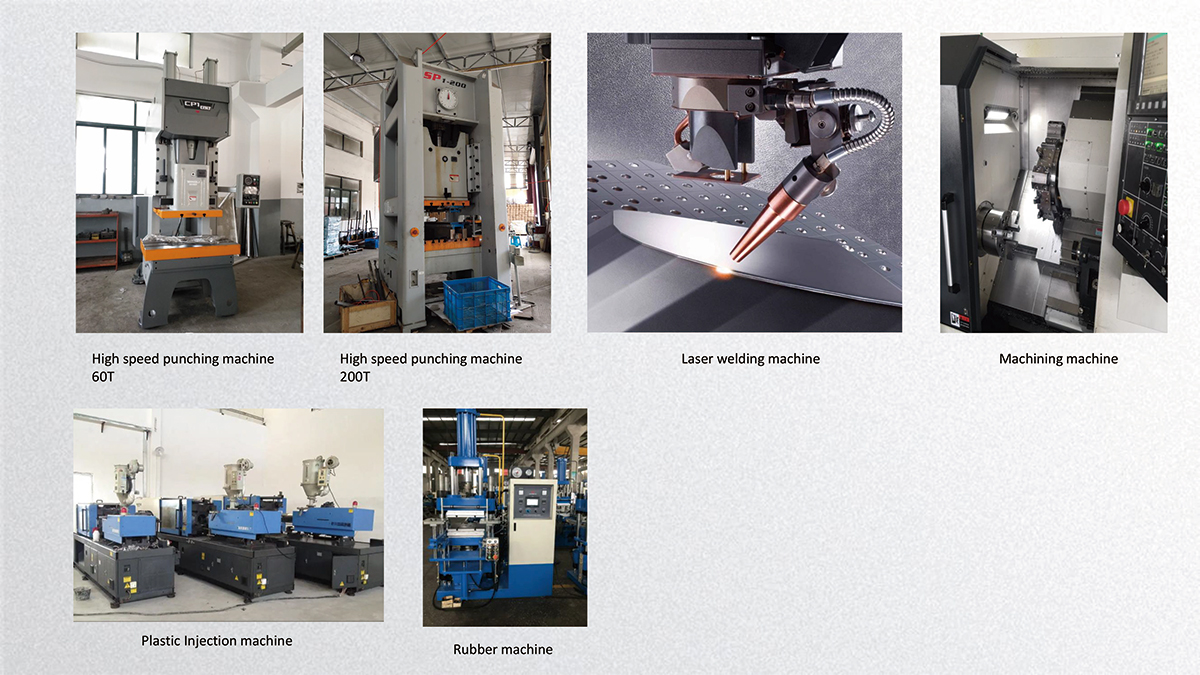
The strongest buying process for contemporary pedestal sinks starts with verification order, not product enthusiasm. The catalog confirms a broad factory capability background: OEM and ODM service, concept, drawing, prototype, mould, trial production, and product stages; equipment such as laser cutting, stamping, bending machines, welding machines, machining, plastic injection, rubber machines, surface treatment, and packing; and a quality-control background including ISO 9001 management, CE, CUPC, Watermark, CE EN1253-1, air testing for drains, and export-standard packing. These are useful supplier capability indicators, but they must not be rewritten as pedestal sink-specific production proof unless the supplier confirms that exact product and process.
The buyer should treat the catalog as a capability map and the pedestal sink order as a separate confirmation file. The first verification is product category: is the item a complete pedestal sink, a basin only, a pedestal only, or an accessory package? The second is material range: what is the basin body made from, and what are the visible or concealed supporting parts made from? The third is the visible surface requirement: what sample or inspection method will define acceptable appearance? The fourth is interface geometry: faucet holes, overflow, waste outlet, wall fixing, pedestal footprint, and supply-line clearance. The fifth is packing: how will the sink and pedestal be protected as separate shapes during export handling? The sixth is OEM or ODM scope: what can be customized without creating unverified performance claims?
Solution 1: Drawing-first approval
Execution Protocol: request a technical drawing before price finalization. The drawing should identify overall shape, installation references, drain outlet position, wall fixing location, pedestal contact zone, faucet configuration, and any supplied accessories. If the drawing is not available, the product page should state that supplier-confirmed drawings are required for project approval.
Material expected evolution: a drawing does not change the material, but it changes risk visibility. It allows stress points, contact zones, and interface positions to be reviewed before shipment. This reduces the chance that installation pressure will be transferred into seals, wall anchors, or unsupported edges.
Hidden cost and side-effect control: drawing review may slow the quotation stage, but it reduces rework after delivery. The buyer should avoid approving a pedestal sink from only a rendered image because visual style cannot confirm physical fit.
Solution 2: Sample-based visible-surface approval
Execution Protocol: request sample photos, finish confirmation, and inspection criteria under normal bathroom lighting. The catalog confirms in-house surface treatment capability and references brushed surface, matte silver, black powder-coated finishes, and different colors in the broader product range. For a pedestal sink order, the supplier must confirm which visible surfaces and materials apply.
Material expected evolution: visible surfaces in humid bathrooms face cleaning cycles, hand contact, water droplets, and possible mineral residue. The sample stage helps identify whether the product’s real surface behavior matches the desired contemporary appearance before bulk order approval.
Hidden cost and side-effect control: stricter surface approval can increase sampling effort. The buyer should separate cosmetic acceptance from performance claims and avoid describing untested surfaces as scratch-proof, stain-proof, or chemical-resistant.
Solution 3: Interface and installation validation
Execution Protocol: confirm wall, floor, and drain interfaces in one review rather than separate emails. Ask for fixing method, outlet position, trap compatibility, pedestal floor contact requirements, and faucet layout. Use project drawings when available and treat local plumbing code as the final site requirement.
Material expected evolution: when interfaces align, rubber seals, plastic parts, brass-related fittings, and metal accessories can work within expected compression and contact ranges. When interfaces are forced, parts may experience bending, uneven pressure, or early loosening.
Hidden cost and side-effect control: over-customization can create confusion. Buyers should lock one approved configuration per project and avoid mixing samples, drawings, and accessory kits from different versions.
Solution 4: Export packing confirmation
Execution Protocol: confirm packing structure for the basin, pedestal, and accessories before production. The catalog states export-standard packing and customized packing are acceptable. For pedestal sinks, the buyer should request corner protection, separation between heavy parts, outer carton marking, and sample packing photos.
Material expected evolution: packing does not improve the sink material, but it protects brittle, polished, coated, or shaped surfaces from impact, abrasion, and compression during transport. Good packing keeps the product closer to its approved sample condition.
Hidden cost and side-effect control: stronger packing can increase carton volume and freight cost. The buyer should balance protection level with shipping mode, order value, and replacement risk.
| Verification Area | Evidence to Request | General Acceptance Logic | Risk if Ignored |
|---|---|---|---|
| Product category | Complete item list and drawing | Basin, pedestal, and accessories must be defined | Missing parts or mismatched scope |
| Material range | Supplier material confirmation | Do not infer ceramic, metal, plastic, or rubber details | Unsupported product claims |
| Wall and floor interface | Mounting and contact references | Drawing required before project approval | Stress concentration or unstable fit |
| Drain connection | Outlet and trap compatibility details | Site plumbing must match confirmed geometry | Forced alignment and service issues |
| Visible surface | Sample photos or approved sample | Appearance criteria must be agreed before bulk order | Disputes after delivery |
| Packing | Export packing photo or method | Parts should be protected from impact and abrasion | Transit damage and replacement cost |
PRO-TIP / CHECKLIST
- Confirm whether the order includes basin, pedestal, fixing accessories, faucet, drain, and trap.
- Request a supplier-confirmed drawing before approving project fit.
- Ask which material applies to each visible and concealed component.
- Check whether the wall and floor conditions match the fixing method.
- Confirm drain outlet position and local plumbing compatibility.
- Review sample photos under realistic bathroom lighting.
- Request export packing details for both basin and pedestal parts.
- Avoid writing performance claims that the supplier has not confirmed.
Contemporary Bathroom Pedestal Sinks in Daily Cleaning Reality: What Buyers Should Ask, Not Assume
A contemporary pedestal sink often looks cleaner because it has fewer bulky cabinet lines, but visual simplicity does not automatically mean easier maintenance. The real cleaning experience depends on edge access, wall clearance, base contact, drain area geometry, and the relationship between visible surfaces and surrounding bathroom finishes. Because the catalog does not confirm pedestal sink-specific surface chemistry or coating performance, buyers should frame cleaning claims as questions for supplier confirmation and sample observation.
The first cleaning question is access. Can a cloth reach behind the basin? Can the floor around the base be wiped without trapping residue? Is the pedestal shape simple enough for routine cleaning? The second question is water behavior. Does water collect near the faucet base, overflow area, drain rim, or wall line? The third question is cleaning-agent tolerance. If the order includes stainless steel, brass, plastic, rubber, iron, or coated accessories within the broader material families described in the catalog, the buyer should ask what cleaners are acceptable. Chloride-containing or aggressive acidic cleaners can damage some metals, coatings, or seals over time. This is general material logic, not a confirmed claim about one pedestal sink.
Extreme scenario model: place the sink in a high-frequency public washroom where users wash hands dozens of times daily, the floor is mopped every evening, and the cleaning staff uses a stronger chemical routine than a home bathroom. In the initial phase, water marks and cleaning paths reveal which zones are easiest to reach. In the middle phase, repeated cleaner exposure can show whether visible accessories, seals, and adjacent surfaces remain consistent. In the extreme phase, the weak point may not be the basin face; it may be the joint between wall, pedestal, floor, drain, or accessory material. A sample observation period cannot replace standards testing, but it can prevent unrealistic product copy.
Cross-dimensional comparison case: compare a simple pedestal base with a decorative base that has recesses, steps, or tight grooves. The decorative version may look more premium in a photo, but it can create more cleaning edges at floor level. The simpler version may photograph less dramatically, yet it may reduce the number of dirt-catching transitions. This is a design-maintenance tradeoff, not a universal ranking. The correct choice depends on user traffic, cleaner type, staff routine, bathroom lighting, and the buyer’s tolerance for visible water marks.
A responsible product page should therefore avoid claims such as “easy to clean under all conditions,” “anti-stain,” “chemical resistant,” or “scratch-proof” unless the supplier provides testing evidence. A safer and more useful statement is that buyers can request sample photos, material confirmation, cleaning guidance, and installation drawings to evaluate daily maintenance before bulk ordering.
For more supplier background and product range context, visit the Mondeway sanitary product overview.
Frequently Asked Questions (FAQ)
What is a pedestal sink?
A pedestal sink is a bathroom sink supported by a vertical pedestal or base instead of a cabinet vanity. In modern bathrooms, it is often selected to reduce visual bulk, expose more floor area, and create a clean wall-to-floor appearance.
How to secure a pedestal sink?
A pedestal sink should be secured according to the supplier-confirmed drawing and the site wall and floor conditions. Buyers should confirm wall fixing points, base contact, drain alignment, and accessory scope before installation. Do not rely on product photos alone.
How to remove shower drain?
For a shower drain, removal depends on the drain structure, cover type, waterproofing system, and installation method. Since the catalog confirms floor drain manufacturing and air testing for drains but not one universal removal method, the safest step is to request the specific drain model instructions.
How to keep hair out of the shower drain?
Use a removable hair catcher or compatible drain cover when the drain design allows it. The key is compatibility: the accessory should not block flow, disturb the cover fit, or interfere with cleaning access. Always follow the supplier’s confirmed drain structure.