

Why stainless steel is preferred for linear drains in high-humidity shower environments
Corrosion and surface staining are common problems when linear drains rely on coated metals in continuously wet showers. In high-humidity residential and commercial bathrooms, these early signs often raise a practical question for specifiers and contractors: why stainless steel is preferred for linear drains when hygiene, durability, and long-term maintenance all matter at once.
What problems appear when linear drains use non-stainless materials?
Linear drains operate at the lowest point of the shower floor, where water, shampoo residue, cleaning chemicals, and skin oils accumulate daily. When materials such as mild steel, zinc-coated steel, or decorative plated alloys are used, the protective surface layer is gradually compromised. Once that happens, corrosion and pitting tend to develop at welds, edges, and drainage slots.
For facility managers and plumbing engineers, these material failures translate into visible staining, unpleasant odors caused by biofilm buildup, and increasing difficulty during routine cleaning. In heavy-use showers such as hotels or apartment complexes, these issues appear faster than expected, even when installation is correct.
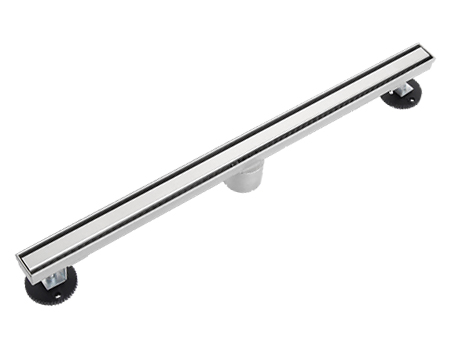
These failure patterns are not cosmetic alone. As corrosion progresses, surface roughness increases, creating pockets that trap debris and bacteria. Over time, this compromises hygiene performance and raises maintenance costs, especially in environments with frequent cleaning cycles.
Why stainless steel behaves differently in wet-area drainage
Stainless steel is not simply “rust resistant” by marketing definition. Its performance advantage comes from a chromium-rich oxide layer that forms naturally on the surface. In a high-humidity shower environment, this passive layer continuously regenerates, protecting the underlying metal even when exposed to detergents and warm water.
For linear drains, this means edges, slots, and weld zones remain structurally stable over years of service. Compared to coated materials, there is no reliance on a thin external finish that can chip or peel. As a result, stainless steel drains maintain smoother surfaces, which directly supports easier cleaning and lower bacterial adhesion.
How hygiene performance links to material choice
Hygiene concerns are often underestimated during drain selection. In reality, the drain surface is one of the most frequently contacted components during cleaning. Stainless steel’s non-porous surface limits biofilm attachment, making it easier to rinse away soap scum and organic residue.
This is particularly relevant in commercial showers where cleaning staff rely on fast, repeatable routines. When materials degrade, more aggressive chemicals are often introduced, which further accelerates corrosion in non-stainless drains. Stainless steel interrupts this negative cycle by maintaining chemical tolerance under normal maintenance conditions.
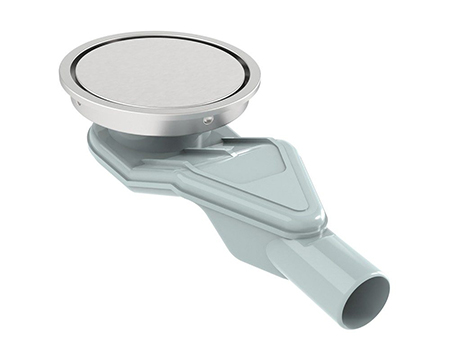
For building materials sourcing managers, these hygiene-related characteristics reduce complaint rates and minimize the need for premature replacements. Over a multi-year lifecycle, this stability is often more valuable than marginal upfront cost savings.
Which failure modes stainless steel helps control
Material-related failure modes in linear drains typically include corrosion, surface pitting, staining, and bacterial buildup. Stainless steel does not eliminate maintenance needs, but it significantly slows the mechanisms that trigger these failures.
By maintaining dimensional stability and surface smoothness, stainless steel drains preserve designed flow paths and reduce debris accumulation. This indirectly lowers clogging risk and helps maintain consistent drainage performance, especially in showers with frequent use.
Understanding these failure controls is essential before comparing full system options. A more comprehensive framework for evaluating linear drain configurations, outlet types, and installation considerations is available in the Linear Drain Buyer Guide for Commercial and Residential Shower Projects, which places material choice into a broader decision context.
How testing standards validate stainless steel performance
Material claims only matter when they can be verified. Stainless steel linear drains are typically evaluated through corrosion resistance testing, surface durability testing, and prolonged water exposure simulations. These tests replicate the combined effects of moisture, cleaning agents, and mechanical wear.
Industry references such as ASTM International materials standards and EN 1253 floor drain requirements provide structured methods for assessing corrosion behavior and functional durability in wet environments.
For buyers and engineers, these testing references offer a way to compare materials objectively. A stainless steel drain that performs consistently in these evaluations is more likely to meet long-term expectations under real shower conditions.
Residential versus commercial implications
In residential bathrooms, stainless steel drains reduce visible staining and keep maintenance predictable for homeowners. In commercial settings, the benefits are amplified by higher usage frequency and stricter hygiene expectations.
Hotels, gyms, and multi-family housing projects often specify stainless steel linear drains to limit service interruptions and protect brand perception. Over time, fewer material-related complaints translate into lower operating costs and smoother facility management.
Balancing advantages with realistic boundaries
Stainless steel is not immune to misuse. Incorrect installation, inadequate slope, or neglecting regular cleaning can still lead to odor issues or localized buildup. However, when material choice aligns with correct installation and verified testing performance, stainless steel provides a more forgiving baseline than alternative materials.
Recognizing these boundaries helps decision-makers avoid unrealistic expectations while still benefiting from stainless steel’s engineering advantages.
Standards, environment, and long-term reliability
The preference for stainless steel in linear drains ultimately reflects how materials behave under continuous exposure to water and cleaning cycles. In high-humidity residential and commercial shower environments, corrosion resistance tests and surface durability evaluations remain central to predicting long-term performance.
This analysis is developed from material performance studies, standardized testing practices such as corrosion resistance and surface durability tests, and real-world shower applications where moisture exposure is constant. By aligning material choice with these verification methods, stakeholders can specify linear drains that age predictably rather than reactively.