
Revealed: Simple Bathroom Shower Set Spec Logic
Reference Standard: Relevant material and performance testing standards for shower fittings may include ASME A112.18.1/CSA B125.1 for plumbing supply fittings and ISO 9227 neutral salt spray testing when finish corrosion resistance needs to be evaluated. Model-specific certification must still be confirmed by the supplier before procurement.
Short Answer
The most practical way to evaluate a simple bathroom shower set is to separate catalog-confirmed facts from quotation-stage assumptions. The confirmed data gives a useful supplier capability boundary: bathroom accessories for shower rooms, OEM and ODM support, multiple material categories, selectable finish references in the company presentation, logo marking capability, customized packing, and production equipment such as plastic injection, rubber processing, machining, and surface treatment. The unconfirmed data is just as important because it prevents overclaiming. A buyer still needs drawings, samples, installation dimensions, flow and pressure information, connector layout, finish confirmation, and packaging details before treating the product as ready for project approval.
This article takes a revealed procurement angle: the hidden risk is not that the product is visually simple, but that simplicity can make buyers skip the confirmation points that actually decide long-term performance.
Simple Bathroom Shower Set Quotation Logic
A simple bathroom shower set appears easy to quote because the product language sounds familiar. Buyers may expect a clear answer after sending a photo or short description. In reality, a reliable quotation must begin with three separate data layers: confirmed catalog data, missing model data, and pre-quotation validation data.
The confirmed layer is narrow but useful. The catalog lists Shower Sets as part of the manufacturer’s design and manufacture product range. It also states that the company’s bathroom accessories are used in the shower room and that the broader material range includes stainless steel, plastic, rubber, iron, and brass. The presentation also displays finish directions such as Brushed, Gun Metal, Brushed Gold, Matt White, Matt Black, and Brushed Bronze. These are not enough to define a specific shower set model, but they are enough to build a disciplined inquiry path.
The missing layer is where most sourcing errors begin. The catalog does not state the exact model number, wall thickness, cartridge type, hose length, shower head mode, thread specification, working pressure, flow rate, mounting distance, connector layout, or spare part structure for the shower set bathroom simple. A buyer should not convert a presentation-level material range into a model-level promise. A stainless steel reference in a company profile does not automatically mean every visible part of this shower set is stainless steel. A brass reference does not automatically mean the valve body, connector nut, or adapter is brass. A finish list does not automatically confirm that every color is available for this model.
A useful quotation model is therefore based on exclusion control. The buyer first asks: what is confirmed for this exact SKU? The supplier should provide a product photo, drawing, part list, material breakdown, finish code, installation interface, and packing method. Then the buyer asks what is optional: finish color, logo position, carton marking, hose type, accessory kit, and retail or project packaging. The final stage is sample confirmation.
Edge extreme scenario model: imagine a hotel bathroom where the shower set is used 12 to 18 times per day, exposed to warm water, cleaning chemicals, wet hands, and repeated hose movement. Even without a confirmed pressure rating, the stress pattern is clear: the product experiences combined moisture, temperature cycling, hand contact, and mechanical handling. A quote based only on appearance would miss the actual service environment.
A cross-dimensional comparison test can be simple. Supplier A quotes from a photo and says “standard shower set.” Supplier B asks for wall interface, finish requirement, packing protection, logo position, and sample approval before price locking. Supplier B may look slower, but that quotation is more procurement-safe because it reduces hidden mismatch risk before production.
A buyer can also use the company’s own site as a starting point for broader product context through Mondeway bathroom accessory information, but project approval still needs item-level confirmation rather than company-level assumptions.
Mixed-Material Risk Map: Metal, Plastic and Rubber Parts in One Shower Zone
A simple shower set is rarely a single-material object. Even when the visible design looks clean, the product may combine metal surfaces, plastic functional elements, rubber seals, threaded connectors, internal passages, decorative covers, and packaging contact surfaces. The catalog confirms the company’s bathroom accessory material range as stainless steel, plastic, rubber, iron, and brass. That does not prove the material of each part in the target product, but it gives a realistic material map for risk evaluation.
Stainless steel is generally valued for corrosion resistance, but it is not immune to surface contamination, chloride exposure, or poor finishing. In a shower zone, stainless components can show water spots, fingerprints, discoloration, or localized staining when cleaning chemistry and humidity are uncontrolled. The supplier question should be: which parts are stainless steel, which grade is used, and what finish protection is applied?
Brass is commonly used in bathroom fittings because it can be machined and plated, but brass performance depends heavily on alloy composition, surface coating, and water chemistry. In a simple shower set, brass may be relevant to connector or valve-related components only if confirmed by the supplier. The buyer should ask whether brass appears in the actual water-contact or load-bearing parts and whether the finish is plated, brushed, painted, or otherwise treated.
Plastic can reduce cost and weight, and the catalog confirms plastic processing capability through a plastic injection machine. In real shower use, plastic parts may face thermal expansion, stress cracking, discoloration, or creep under long-term load. The supplier question should be: which components are injection-molded plastic, what temperature range is expected, and are any clips, brackets, or spray parts under repeated hand force?
Rubber is essential where sealing, flexibility, or cushioning is needed. The catalog confirms a rubber machine, which supports the possibility of rubber component production or processing capability. Rubber risk is different from metal risk: it usually involves compression set, elasticity loss, swelling, hardening, or cracking. The buyer should ask for seal material, gasket dimensions, spare seal availability, and whether the sample will be checked after hot-water cycling.
Iron is the most sensitive category in this wet-zone list if used in exposed or poorly protected parts. Because iron can oxidize quickly when protective layers fail, any iron component in a shower environment must be clarified. The supplier question should be direct: is iron used in any visible, structural, or hidden part of this shower set, and how is it protected?
The mechanism is a combined materials problem. Metals expand and contract with temperature. Plastics expand at different rates and may deform under load. Rubber relaxes under compression. If these materials meet at a threaded or sealed interface, movement can shift pressure distribution over time. A connector that is tight during installation may become less stable after repeated hot-cold cycles if the seal loses elasticity or if the plastic support surface creeps.
A practical comparison test uses two sample sets. Sample A is checked only for appearance after unpacking. Sample B is checked after repeated wet handling, hot and cold water exposure, drying, and re-tightening inspection. Even if neither sample has a formal lab report, Sample B reveals more relevant behavior because shower products fail through combined use, not through static display.

KEY TAKEAWAYS
- A shiny finish does not confirm the base material or water-contact material.
- A simple design can still hide mixed expansion between metal, plastic, and rubber parts.
- Early warning signs include color inconsistency, seal flattening, thread looseness, and visible marks after wet handling.
Color and Finish Decision Gate: Simple Does Not Mean Specification-Free
The company presentation shows finish directions including Brushed, Gun Metal, Brushed Gold, Matt White, Matt Black, and Brushed Bronze. This is useful evidence for finish discussion, but it must be used carefully. The catalog shows these finish options in the company presentation; model-specific availability still needs confirmation. A buyer should never write all listed finishes into a purchase order for a shower set bathroom simple unless the supplier confirms the exact model, finish code, minimum order quantity, finish process, sample lead time, and batch consistency policy.
Finish is not only decoration. In a bathroom product, finish controls the first impression, the visible aging pattern, and the acceptance result after shipment. A brushed finish may hide minor handling marks better than a glossy dark surface. A matt black or gun metal finish may show soap residue, mineral deposits, or abrasion more clearly under strong bathroom lighting. A brushed gold or brushed bronze direction can look premium, but any color variation between batches may become obvious when multiple pieces are installed in the same project.
The hidden issue is that finish quality is judged at several moments: first during sample review, then after mass production, then after unpacking, then after installation, then after weeks of wet use. The catalog confirms that the company performs surface treatment by itself and mentions quality control for surface. It also refers to customized packing. These capabilities support a structured finish approval path, but they do not replace product-specific testing.
A practical finish approval process should request four items before order locking. First, ask for finish sample photos under consistent lighting. Second, request a physical color sample or approved sample unit when the finish is important for project matching. Third, define acceptable visual difference for batch comparison. Fourth, require packing protection that reduces rubbing, edge contact, and surface marks during export transport.
Edge extreme scenario model: place a dark-finished shower set in a small bathroom with poor ventilation, hard water, and daily cleaning spray. During the initial period, the surface may only show water marks. During the middle period, repeated wiping may create micro-abrasion or uneven sheen. During the extreme period, coating weakness, poor cleaning compatibility, or packaging scratches may become visible as customer complaints.
A cross-dimensional comparison test is useful here. Compare a white or brushed finish sample against a dark finish sample after the same hand-contact and drying cycle. The goal is not to declare one finish better; the goal is to reveal which finish is more sensitive to fingerprints, cleaning residue, water spotting, and packing friction. That allows the buyer to match finish choice with target market expectations.
| Finish or surface issue | Practical trigger | What to confirm before order | Acceptance method |
|---|---|---|---|
| Color variation | Different production batches | Finish code and approved sample | Side-by-side sample review |
| Surface scratches | Export packing friction | Protective film or separated packing | Unpacking inspection |
| Water marks | Hard water and poor ventilation | Cleaning guidance and finish sensitivity | Wet-dry handling check |
| Coating edge weakness | Sharp edges or thin coating zones | Edge coverage and coating process | Close visual inspection |
| Fingerprint visibility | Frequent hand contact | Finish texture and surface sheen | Touch-and-wipe comparison |
The buyer should also avoid using certificate language incorrectly. The catalog presents certificates such as ISO 9001, CE, CUPC, Watermark, and EN1253-1 in the company material. These are important company or product-category references, but a shower set buyer still needs model-specific compliance confirmation. A certificate shown in a catalog should not be copied into a product page as if it applies automatically to every shower set SKU.
OEM Readiness Without Overclaiming: Logo, Packing and Sample Approval Boundaries
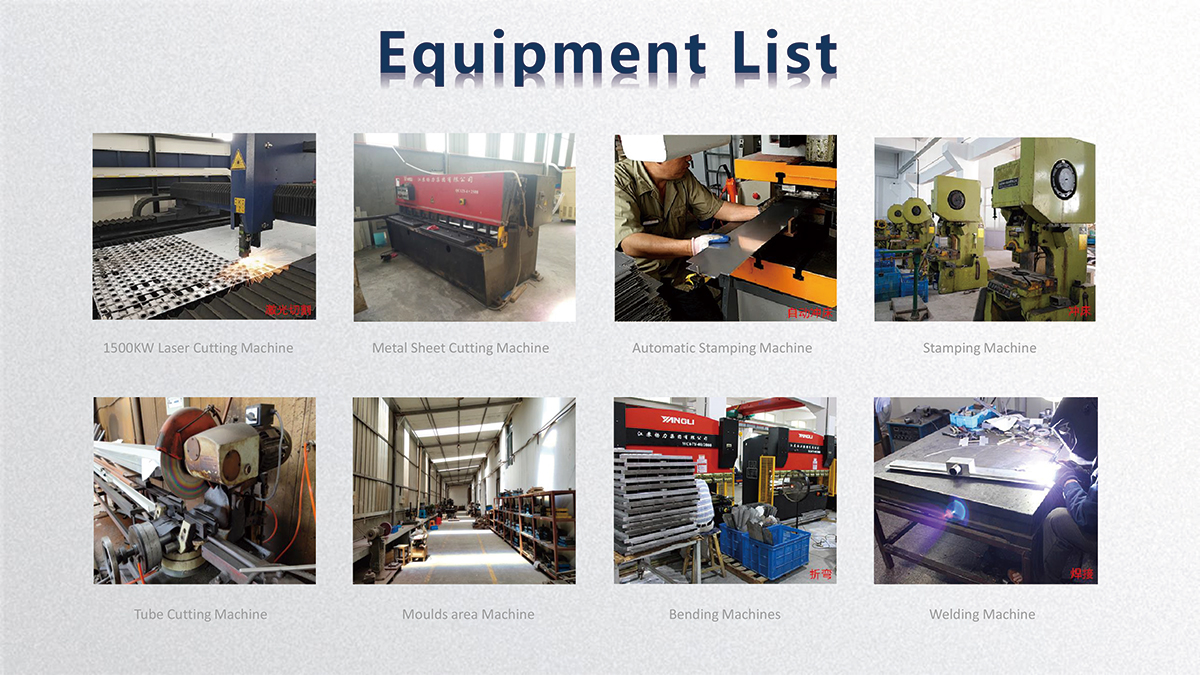
OEM readiness for a simple bathroom shower set should be defined by execution boundaries, not broad claims. The catalog confirms that the company supports OEM and ODM orders and shows capabilities such as Laser LOGO machine, packing as per customized requirements, plastic injection machine, rubber machine, and machining machine. These facts are useful for supplier evaluation. They do not confirm the final structure, performance, or compliance of this exact shower set model.
A disciplined OEM path has five approval gates.
1. Sample confirmation. The sample should be reviewed for appearance, material feel, connector layout, accessory completeness, hand comfort, thread condition, and visible finish. If the product includes plastic or rubber parts, the buyer should check for molding marks, odor, deformation, flash, elasticity, and assembly tightness. The sample should be treated as a decision object, not a decoration photo.
2. Logo position confirmation. The catalog confirms laser logo capability. For a shower set, the logo position must be confirmed according to the actual part material and visible surface. Laser marking on metal and printing or other marking on plastic may behave differently. The buyer should ask whether the logo is on the handle, cover, shower head, package, label, or instruction sheet, and whether the marking is permanent or cosmetic.
3. Packaging confirmation. Customized packing is confirmed in the company presentation. For a finished bathroom accessory, packaging must protect both function and appearance. A simple shower set may include multiple parts that can rub against each other during transport. Individual wrapping, compartment design, surface protection, carton strength, and label accuracy can all affect customer acceptance.
4. Interface compatibility confirmation. The catalog does not provide thread size, mounting distance, hose length, wall bracket geometry, or connector layout for the target shower set. Those details must be confirmed before mass production. Interface mismatch is not a cosmetic problem; it can block installation, create leakage risk, or require field modification.
5. Sealing inspection recommendation. The catalog provides drain-related leakage testing evidence, but that should not be treated as shower set testing evidence. For this product category, the buyer should request an appropriate water or assembly check for the actual shower set if the product includes water-bearing joints, gaskets, hoses, or connectors.
A practical white-paper style selection process can be built around four solutions.
Solution 1: Material breakdown before price confirmation.
Execution Protocol: Ask the supplier to divide the product into visible metal parts, hidden metal parts, plastic parts, rubber parts, fasteners, and packaging-contact parts. The answer should be linked to a drawing or sample photo so the buyer can identify which material is used where. This prevents a general material list from being mistaken for a product-specific bill of materials.
Expected material evolution: Once material positions are defined, likely aging patterns become easier to predict. Metal parts can be evaluated for oxidation or coating wear, plastic parts for heat deformation or stress marks, and rubber parts for compression set. The expected performance becomes more measurable because each part has a known exposure path.
Hidden cost and side-effect control: This step may slow quotation, but it reduces later rework. The buyer should avoid requesting unnecessary premium material for every component; the goal is fit-for-purpose confirmation, not overengineering.
Solution 2: Finish sample approval before bulk order.
Execution Protocol: Confirm finish name, sample photo, physical sample if needed, lighting condition, batch comparison method, and packing protection. The catalog finish references can support the discussion, but the purchase order should use the confirmed model finish code.
Expected material evolution: A locked finish sample creates a baseline for color, sheen, and surface texture. It helps detect batch drift, rubbing marks, and unacceptable visual inconsistency before shipment.
Hidden cost and side-effect control: Finish approval can create delays when colors are customized. To reduce risk, buyers should approve a standard finish first or reserve extra time for custom surface verification.
Solution 3: Interface and installation validation.
Execution Protocol: Request drawings or measurement photos for thread, bracket, mounting, hose, connector, and accessory layout. Compare those details against the target market’s common installation conditions before approving mass production.
Expected material evolution: Correct interface fit reduces forced tightening, uneven stress, gasket over-compression, and plastic bracket strain. The product is less likely to fail because the installation load is distributed as intended.
Hidden cost and side-effect control: Interface validation requires technical communication. If drawings are unavailable, a pre-production sample should be installed on a matching mock-up before order expansion.
Solution 4: Export packing and handling test.
Execution Protocol: Confirm inner protection, part separation, carton layout, label content, and sample carton review. A simple shower set with decorative finish can be damaged by friction even if the product itself is structurally acceptable.
Expected material evolution: Proper packing reduces surface abrasion, coating marks, and deformation during transit. Rubber parts are also less likely to be compressed in a distorted position for long periods.
Hidden cost and side-effect control: More protective packaging may increase carton volume or unit cost. The buyer should balance retail presentation, export protection, and warehouse handling efficiency.
| Validation variable | General inspection baseline | Practical tolerance logic | Buyer action |
|---|---|---|---|
| Material position | Each major part identified | No unverified material claim | Request part-level breakdown |
| Finish consistency | Sample compared with bulk | Visible mismatch rejected by agreed sample | Approve finish sample first |
| Interface fit | Threads and connectors checked | No forced assembly or loose joint | Request drawing or sample install |
| Rubber sealing parts | Elasticity and fit reviewed | No cracking, flattening, or missing gasket | Check after hot-cold exposure |
| Packaging protection | Parts separated and secured | No rubbing marks after transport handling | Review inner packing layout |
| Logo marking | Position and method confirmed | Clear, aligned, and appropriate to material | Approve logo sample before bulk |
PRO-TIP / CHECKLIST
- Ask for a product-specific material breakdown instead of accepting a general company material list.
- Confirm whether stainless steel, brass, plastic, rubber, or iron appears in the exact shower set model.
- Request finish sample approval when choosing brushed, matt, black, gold, bronze, or gun metal directions.
- Check logo position and marking method before mass production.
- Confirm thread, connector, bracket, hose, and installation interface dimensions.
- Review inner packing to prevent decorative surface scratches during export shipping.
- Separate company-level certificates from model-specific compliance evidence.
- Use a physical sample for wet handling and installation review before large orders.
Frequently Asked Questions (FAQ)
How to install a simple bathroom shower set?
Installation depends on the exact connector layout, thread size, bracket design, and hose configuration. Because the catalog does not provide model-specific installation dimensions, buyers should request drawings or a sample installation video before approval. Do not rely on appearance alone for installation compatibility.
What should be confirmed before buying an OEM shower set?
Confirm the material breakdown, finish code, logo position, packaging method, connector layout, sample approval process, and any model-specific performance data. A company may support OEM and ODM orders, but each shower set still needs its own approved specification before bulk production.
Can a simple shower set use stainless steel, plastic, rubber, iron, or brass?
The catalog confirms those materials in the company’s broader bathroom accessory range, but it does not assign each material to this specific shower set. Buyers should ask which parts are stainless steel, plastic, rubber, iron, or brass in the exact model being quoted.
Are brushed, gun metal, matt white, matt black, brushed gold, and brushed bronze available?
The company presentation shows these finish directions, but model-specific availability still requires supplier confirmation. Before ordering, ask for finish code, sample photos, physical sample approval if needed, batch consistency rules, and packaging protection details.
How can buyers reduce leakage risk in a shower set?
Ask for connector dimensions, gasket material, hose interface, assembly checks, and suitable water-bearing joint inspection for the actual shower set. Do not apply drain leakage test evidence directly to a shower set unless the supplier confirms an equivalent product-specific test.