
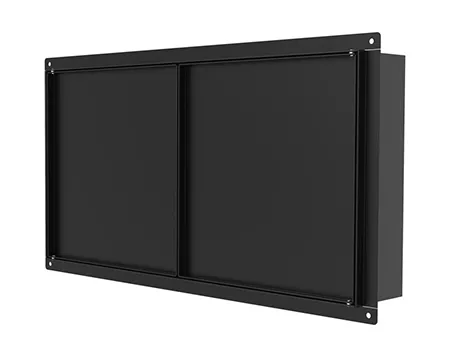
Reference Standard: Relevant material and performance testing standards should be selected only after the exact product construction, material, installation system, and intended market are confirmed.
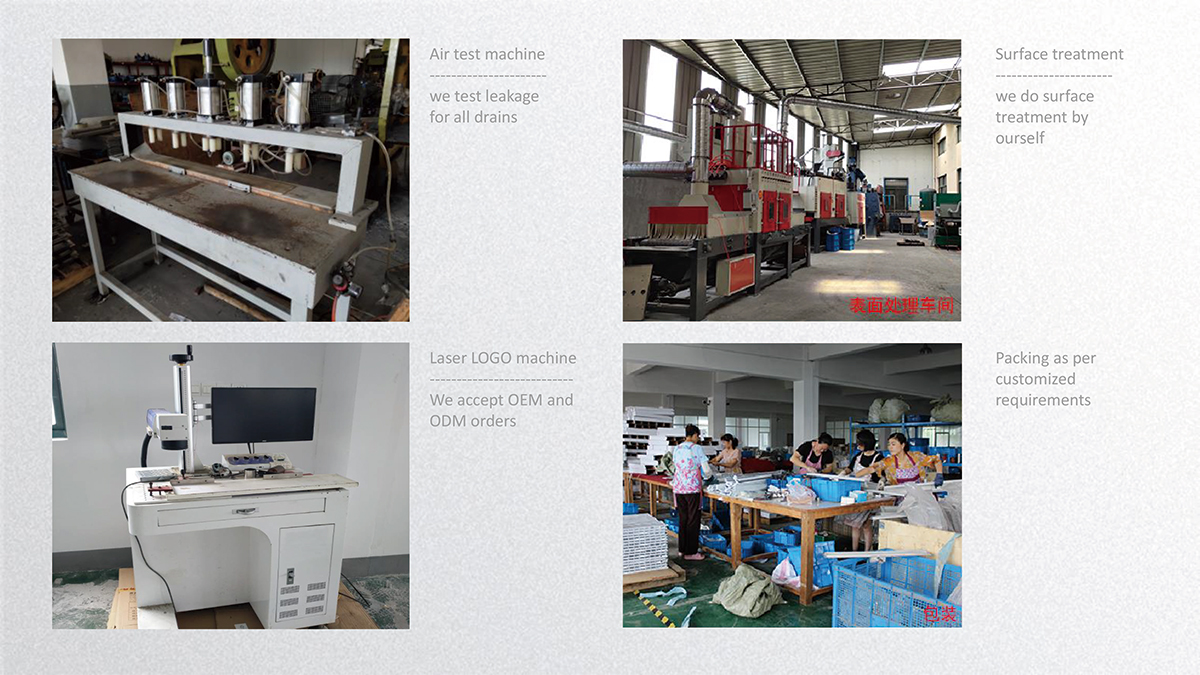
NINGBO MONDEWAY is a production-oriented company focused on the R&D and manufacturing of shower accessories, including OEM and ODM orders. Its stated location is No.88 Shanghuang Xueshiqiao Villiage, Dayin Town, Yuyao, Ningbo city. Available company material includes shower tray boards within its designed, manufactured, and sold shower-room product range. However, that material does not use the exact phrase prefabricated shower base.
That distinction matters when evaluating suppliers. Search terms such as prefabricated shower base, shower tray base, bathroom shower base, or base de shower can help buyers find relevant product categories, but the terminology alone does not establish an exact model’s material, dimensions, drainage layout, installation interface, performance, quality-control process, or certification status.
Start With Verified Product Presence, Not Assumed Specifications
A supplier evaluation should begin by confirming what product is actually being offered, then linking the quotation to model-specific technical documentation. Category-level product presence is useful evidence, but it should not be treated as a substitute for drawings, specifications, installation information, performance documents, or quality-control records for the quoted model.
A search for a prefabricated shower base may return products described using several related terms. A supplier might use shower tray, shower tray board, shower base, shower floor system, or another commercial description depending on its catalog structure and target market. These labels can overlap in ordinary purchasing conversations, yet they should not automatically be treated as technically interchangeable.
The available NINGBO MONDEWAY company material provides a useful starting point because it identifies Shower Tray Boards within the company’s shower-room product range. That verifies category-level relevance. It does not, however, provide enough information to assign a particular material composition, thickness, overall dimensions, drain position, slope, surface construction, load rating, waterproofing performance, included accessories, installation procedure, or certification to a specific prefabricated shower base.
For procurement purposes, the practical lesson is simple: product-family evidence establishes where the conversation starts; model documentation establishes what can actually be compared.
This also prevents search terminology from becoming accidental specification data. A phrase such as bathroom shower base describes purchasing intent, not a technical drawing. Likewise, a quotation labeled shower tray base may identify a commercial category without explaining whether two suppliers are offering products with the same construction or installation requirements.
Buyers therefore gain more from asking for traceable product information than from trying to infer details from naming conventions.
Request Exact-Model Information Before Comparing Quotations
Price comparison becomes meaningful only after the products behind the prices are sufficiently aligned.
Two quotations can carry similar descriptions while representing materially different products, packages, installation systems, or documentation levels. Before comparing unit price, minimum order quantity, tooling implications, packaging, or commercial terms, ask each shortlisted source to identify the exact quoted model or product reference.
The model reference should become the anchor for the rest of the sourcing file. Every drawing, specification sheet, installation document, performance report, test record, packaging description, and accessory list should correspond to that same product whenever applicable.
A useful quotation review can therefore proceed in this order:
- Confirm the exact commercial product name and model reference.
- Obtain the current technical specification sheet for that model.
- Request a dimensional drawing where one exists.
- Identify exactly what components and accessories are included in the quoted scope.
- Obtain the model-specific installation instructions or installation drawing.
- Ask which performance or test documents apply to that exact construction.
- Clarify whether quoted options change the material, dimensions, finish, drain arrangement, or installation interface.
- Record unanswered technical questions before comparing commercial offers.
The purpose is not to demand excessive paperwork. It is to prevent a purchasing team from comparing unlike products simply because both quotations contain the words prefabricated shower base.
For example, dimensions should come from the exact model drawing rather than from an assumed market size. Drain position should come from product documentation rather than from an image. Material composition should come from a specification or material declaration rather than from appearance. Installation compatibility should come from the supplier’s documented system requirements rather than from a generic description of shower construction.
A quotation with a lower price but unclear model identity may require substantially more clarification before it can be evaluated confidently. Conversely, a quotation supported by coherent product documentation gives the buyer a clearer basis for technical review, even before a commercial decision is made.
Separate Material, Installation, Performance, and QC Questions
A strong sourcing request separates unresolved questions into categories. This makes gaps easier to identify and reduces the chance that a broad sales statement is mistaken for technical evidence.
Material information
The available product-family information does not establish a material specification for the target product. Buyers should therefore request the material information for the exact quoted model.
Useful questions include:
- What are the principal materials used in the quoted model?
- Which parts of the product use each material?
- Are different material or construction options available under similar product names?
- Is there a current technical sheet describing the construction?
- Does a change in size or option also change the material specification?
Material identity matters because it can affect handling, installation procedures, compatibility with adjacent systems, product weight, finishing requirements, and the type of performance evidence that is relevant. Those consequences should be evaluated from confirmed documentation rather than assumed for the product category.
Installation information
Installation questions should be answered with exact-model drawings or instructions wherever possible.
A buyer may need to understand the model’s dimensional envelope, drain-related interface, required supporting conditions, edge relationships, surrounding waterproofing coordination, and connection to the planned bathroom construction. The correct details depend on the specific product system.
Generic shower construction knowledge cannot establish those product-specific interfaces.
Documentation Gaps That Should Stop a Premature Comparison
- The quotation names a product category but does not identify an exact model.
- Product images are available, but dimensional or installation documentation is missing.
- Material, performance, or QC claims are made without documents that can be linked to the quoted construction.
Performance information
Performance claims should be evaluated only against documented information relevant to the exact product.
If a supplier states a load capability, waterproofing property, dimensional tolerance, surface characteristic, durability result, or other measurable performance attribute, buyers should ask what document supports that statement and whether it applies to the quoted model.
The appropriate test method or standard can depend on the product’s material, system design, intended market, and claimed performance. For that reason, choosing a specific standard before those details are known can create false precision.
Quality-control information
Quality control should be treated in the same disciplined way.
The available information does not establish a target-product-specific factory fix, inspection sequence, acceptance tolerance, test frequency, or QC process for a prefabricated shower base. Those items should therefore remain supplier questions rather than article claims.
Buyers can ask which incoming, in-process, and final inspections apply to the exact model; which characteristics are inspected; what records are retained; and how nonconforming products are handled. If particular performance checks are claimed, request the applicable procedure or supporting record.
Use Documentation Completeness to Evaluate Sourcing Readiness
Supplier readiness is not determined by brochure quality alone. One practical evaluation method is to examine how completely and consistently a potential source can connect its commercial offer to product-level evidence.
A buyer can create a simple documentation matrix covering four areas: identity, technical definition, installation, and verification.
Under identity, check whether the source has clearly named the quoted product and model. Under technical definition, check whether material information, dimensions, construction details, and included components are documented where relevant. Under installation, look for drawings or instructions that explain the exact product interface. Under verification, identify the performance and QC evidence that supports any measurable claims being used in the purchasing decision.
Items to Confirm Before Comparing Suppliers
- Record the exact product name and model reference shown on each quotation.
- Match every technical document to the quoted model rather than to the general product category.
- Obtain material information instead of inferring construction from images or terminology.
- Request dimensional drawings before treating apparently similar shower bases as equivalent.
- Review installation documentation for interfaces that affect the planned bathroom construction.
- Ask for supporting documentation behind measurable performance claims.
- Request model-relevant QC information instead of assuming a factory-wide process applies.
- Confirm the included components, accessories, and quotation scope.
- Separate optional configurations from the standard quoted construction.
- Resolve documentation gaps before using price as the primary comparison criterion.
This approach also makes supplier communication more efficient. Instead of sending a vague request for “full specifications,” a purchasing team can identify exactly which information is missing. Suppliers can then respond category by category, and buyers can see which answers are documented and which remain commercial descriptions.
Documentation completeness should not be interpreted as proof that one supplier is automatically better than another. It is a measure of comparison readiness. A well-documented quotation gives technical, purchasing, project, and quality teams a common reference point. An incomplete quotation may still become viable, but it requires additional clarification before equivalent comparison is possible.
The process is especially useful when international search terminology varies. A buyer using prefabricated shower base may encounter suppliers using shower tray base, shower tray board, bathroom shower base, or other regional wording. Rather than debating which label is universally correct, the buyer can move directly to the exact product identity and supporting documents.
NINGBO MONDEWAY’s available company information places the business within the shower-accessory manufacturing field and identifies shower tray boards within its shower-room product range. Buyers exploring that wider portfolio or beginning a sourcing discussion can use the NINGBO MONDEWAY company website as a general contact and company-information path.
The essential purchasing principle remains consistent: verify the product family, identify the exact model, align its documentation, and only then compare quotations. That sequence reduces specification mismatch and gives procurement decisions a clearer technical foundation without turning search terminology into unsupported product claims.