

Why surface finish decisions quietly shape cleaning and maintenance results in linear shower drains
Soap residue and mineral film rarely become visible overnight, yet in high-humidity bathrooms they accumulate steadily on metal surfaces that were never optimized for frequent wet cleaning. For specifiers and contractors, the linear drain surface finish impact on cleaning and maintenance often becomes obvious only after staining and dull patches begin to appear, increasing cleaning labor and long-term upkeep costs.
Where cleaning problems usually start in wet-area shower drains
In residential wet rooms and high-traffic commercial showers, linear drains are exposed to a mix of warm water, detergents, body oils, and cleaning chemicals. These substances do not fail the drain mechanically, but they interact with the microscopic texture of the surface. Finishes with higher surface roughness tend to trap residue more easily, creating visible staining that requires aggressive cleaning.
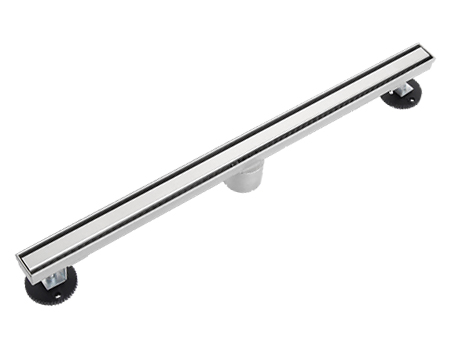
This is why cleaning complaints are rarely about drainage speed alone. More often, they stem from finishes that amplify surface staining or develop early pitting, especially in showers cleaned daily with alkaline or acidic agents.
How surface texture influences residue adhesion
From a material behavior standpoint, stainless steel drain bodies rely on their surface condition as much as their alloy composition. Brushed or bead-blasted finishes may look consistent initially, but their micro-valleys increase the contact area where soap scum and hard-water minerals settle.
Polished or electropolished finishes, by contrast, present fewer anchoring points. Over time, this directly reduces cleaning effort, because residue is removed before it bonds chemically with the metal surface.
Why staining and pitting appear earlier than expected
In a high-humidity bathroom environment with frequent chemical exposure, surface pitting and discoloration can develop even when drainage performance remains acceptable. These changes are not random defects; they are early signs that the finish is reacting to repeated cleaning cycles.
Once surface pitting begins, residue retention accelerates, creating a feedback loop: more aggressive cleaning is used, which further stresses the surface. This is one of the most common maintenance-driven failure patterns seen in commercial shower installations.
How cleaning frequency changes finish requirements
Residential showers cleaned weekly can tolerate a wider range of finishes than hospitality or gym facilities cleaned multiple times per day. In high-traffic environments, finishes must be selected with maintenance frequency in mind, not just aesthetics.
For example, linear drains specified for hotel projects often benefit from smoother finishes that minimize labor hours over the product’s service life, even if the initial cost is slightly higher.
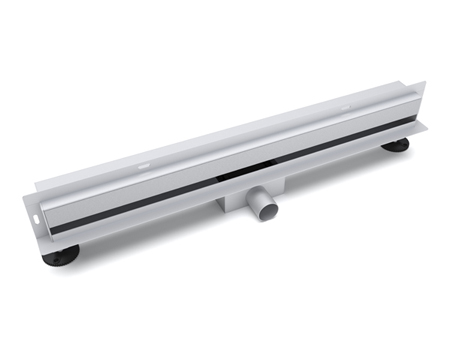
Finish selection and long-term hygiene performance
Hygiene performance is closely tied to how easily a surface can be restored to a clean state. Finishes that resist residue adhesion support consistent hygiene standards without relying on harsh chemicals or abrasive tools.
This matters not only for appearance but also for odor control and perceived cleanliness in shared shower spaces, where visual cues strongly influence user confidence.
How surface durability is evaluated in practice
Surface durability and corrosion resistance are typically verified through standardized surface durability tests and corrosion resistance tests. These evaluations simulate repeated exposure to moisture, cleaning agents, and mechanical wear to assess how finishes age in real use.
In Europe, floor drain products are commonly assessed under standards such as EN 1253 floor drain requirements, which include performance criteria relevant to wet-area installations. Internationally, material behavior is also evaluated using references from ASTM material and plumbing standards.
What specifiers should verify before finalizing a finish
Before locking in a surface finish, specifiers should confirm how the drain has been tested against corrosion and surface wear, and whether the finish is suitable for the intended cleaning regime. This step often prevents premature maintenance issues that are difficult to correct after installation.
For projects requiring a broader overview of drain configurations, outlet orientations, and finish options, a more comprehensive reference can be found in the linear shower drain buyer guide, which places finish selection in the context of overall system design.
Balancing aesthetics with maintenance reality
While finish appearance often drives early decisions, long-term maintenance outcomes should carry equal weight. Finishes that remain visually consistent with minimal effort help protect both user experience and operating budgets.
In practice, the most reliable results come from treating surface finish as a functional parameter rather than a purely decorative choice, especially in showers exposed to constant moisture and frequent cleaning.
Content here is developed from material surface performance analysis, standardized durability and corrosion testing references, and real-world application observations in high-humidity bathroom environments. These inputs help explain why the linear drain surface finish impact on cleaning and maintenance remains a decisive factor in long-term shower drain performance.