
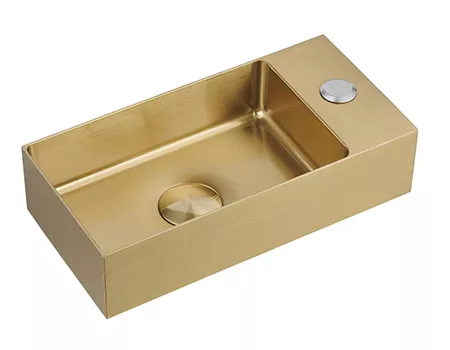
Black Pedestal Wash Basin Verification Guide
Reference Standard: Relevant sanitary appliance performance and documentation standards should be requested from the supplier before publication. No catalog-backed standard, material grade, basin size, coating system, or test result is available for the specific black pedestal wash basin in the provided source material.
Short Answer
A buyer searching for black pedestal wash basin usually wants a product that fits a bathroom layout, matches a visual style, works with common drain hardware, and can be cleaned without damaging the visible finish. The available business data does not prove any of those product attributes. The verified input only establishes the target product phrase and the fact that the source catalog does not contain the product, its material system, its structure, or its quality process.
That limitation is not a weakness if the page is built correctly. It becomes a credibility filter. Instead of pretending that the basin is ceramic, resin, stone, metal, matte, glossy, wall-aligned, floor-mounted, or supplied with a specific drain, the page can guide buyers through the exact confirmation steps needed before quotation, sampling, or publication.
For broader company context, buyers can start from the official Mondeway homepage and request product-specific documentation before treating any basin claim as final.
From Search Intent To Evidence Boundary
Search intent for a black pedestal wash basin is not only visual. It contains at least five hidden decision layers: the buyer wants a black finish, a pedestal structure, bathroom sink functionality, installation compatibility, and a maintenance path. Each layer can create a costly mismatch when it is assumed rather than documented.
The only confirmed product-level data available here is negative evidence: the source material does not show the target product, does not provide material specifications, does not provide dimensions, does not identify surface finish chemistry, and does not describe a quality control route for this basin. That means the article must separate keyword relevance from product evidence.
A claim-safe page should classify each statement into one of three groups:
| Page Field | Evidence Status | Safe Treatment | Unsafe Treatment |
|---|---|---|---|
| Product name | Verified as target keyword | Use as search and inquiry topic | Treat as a catalog-backed SKU |
| Material | Not verified | Ask supplier to confirm | Claim ceramic, resin, stone, or metal |
| Color finish | Not verified | Ask for finish sample and photos | Claim matte black, glossy black, or anti-fade coating |
| Drain interface | Not verified | Request drain opening and hardware details | Claim universal compatibility |
| Cleaning method | Not verified | Provide confirmation questions only | Promise chemical resistance |
The practical value of this boundary is simple: it prevents a page from becoming a warehouse of invented attributes. In sanitary products, a single unsupported detail can distort buyer expectations. A black finish may behave very differently depending on whether it is fired glaze, sprayed coating, colored resin, anodized metal, stone composite, or another system. Since the source does not identify any of these systems, the page must not describe the microscopic surface behavior, scratch resistance, thermal stability, or chemical tolerance as if they were known.
A useful edge-case model can still be discussed without inventing product data. Imagine a buyer comparing two visually similar black pedestal basins from different suppliers. Product A may use a hard fired surface, while Product B may use a decorative coating. Product A and Product B could look identical in a showroom image, yet require different cleaning agents, different packaging protection, and different inspection steps. Since the current source does not prove which type is being offered, the safe article should instruct buyers to request evidence before approving copy, samples, or purchase terms.
A cross-dimensional comparison also helps. A furniture buyer might accept visual confirmation from a catalog image, but a bathroom fixture buyer needs additional interface information because the object connects with plumbing, daily water exposure, cleaning chemicals, and user handling. That contrast is the strongest reason to build the page around verification rather than promotion.
KEY TAKEAWAYS
- Treat the product name as a search target, not as proof of material or performance.
- Keep all finish, drain, load, and cleaning claims in a supplier-confirmation zone.
- Use buyer questions as content value when product evidence is incomplete.
Black Pedestal Wash Basin RFQ Control Framework
A controlled RFQ conversation starts from missing fields, not from a sales paragraph. The current source does not provide the color system, installation footprint, pedestal shape, basin depth, overflow condition, drain size, packaging method, or sample approval process. Each of those missing fields should become a buyer-facing confirmation prompt.
This approach fits the search behavior behind a black pedestal wash basin. A buyer may type the keyword because they want an immediate product match, yet the business risk often hides in small details. Does the basin require floor fixing? Is the pedestal decorative or structurally supporting the bowl? Is the black surface uniform under strong light? Are drain components included or purchased separately? Is the basin compatible with the buyer’s local trap, waste fitting, or faucet arrangement? None of these answers can be extracted from the available source.
A practical RFQ brief should ask for the following evidence before the product page or quotation is finalized:
- Confirm the exact material family and whether the black appearance comes from body color, glaze, coating, plating, paint, or another finish system.
- Provide dimensional drawings showing total height, bowl width, basin depth, pedestal footprint, wall clearance, and drain position.
- State whether the basin includes drain hardware, overflow hardware, mounting accessories, faucet hole details, or only the basin body.
- Provide finish photos under neutral lighting, side lighting, and close-up inspection to reduce color and texture misunderstanding.
- Identify cleaning restrictions, especially whether acidic, alkaline, abrasive, alcohol-based, or ammonia-based cleaners are allowed.
- Confirm packaging protection around the rim, column, visible black surface, and drain area.
- Provide sample approval steps before bulk order language is used on the website.
The FAQ search queries can be translated into buyer controls without pretending the product has verified features. “How to clean wash basin sink” becomes a request for a supplier-approved cleaning method. “How to remove the bathroom drain stopper” becomes a drain-hardware confirmation question. “How to take out a shower drain plug” is not directly about a pedestal basin, but it reveals a maintenance intent: users care about removable drainage components, blockage access, and post-install serviceability.
| Buyer Question | What It Really Tests | Current Evidence | Safe Page Response |
|---|---|---|---|
| How should it be cleaned? | Surface tolerance | Not available | Ask for approved cleaner list |
| Is the drain removable? | Maintenance access | Not available | Ask for drain assembly details |
| Is the black finish durable? | Surface system | Not available | Request finish test evidence |
| Is it easy to install? | Dimensional interface | Not available | Request installation drawing |
| Is packaging safe for export? | Transit protection | Not available | Ask for carton and protection photos |
An edge-case comparison makes the issue clearer. In a hotel project, repeated cleaning may matter more than the initial purchase price. In a residential renovation, installation footprint may matter more than chemical exposure. In a showroom display, visual consistency may dominate. The current evidence supports none of these project-specific claims, so the page should invite the buyer to define the use case before any final specification language is written.
Claim-Safe Page Architecture For Unverified Basin Data
A claim-safe page does not hide uncertainty. It organizes uncertainty so the buyer knows what must be confirmed. For this product, the page architecture should begin with the target keyword, then immediately identify that material, surface, dimensions, drain hardware, and quality test data require supplier confirmation.
The safest sequence is:
Verified Search Topic
Use black pedestal wash basin as the product intent and inquiry subject. Do not call it a confirmed model, confirmed material, or confirmed stock item unless a supplier document later proves that status.
Pending Product Attributes
List the fields that need confirmation: material, color finish, surface texture, bowl shape, pedestal structure, overflow status, faucet hole configuration, drain details, packaging, and cleaning restrictions. This section creates useful content without turning guesses into facts.
Buyer Confirmation Prompts
Convert uncertainty into action. Ask the buyer or supplier to provide drawings, photos, finish samples, maintenance instructions, packaging images, and inspection records. This creates a practical page that still aligns with commercial search intent.
Safe FAQ Placement
Place cleaning and drain questions near the confirmation section rather than next to performance claims. The answers should say what must be checked before use, not what the basin definitely supports.
Image Caption Rules
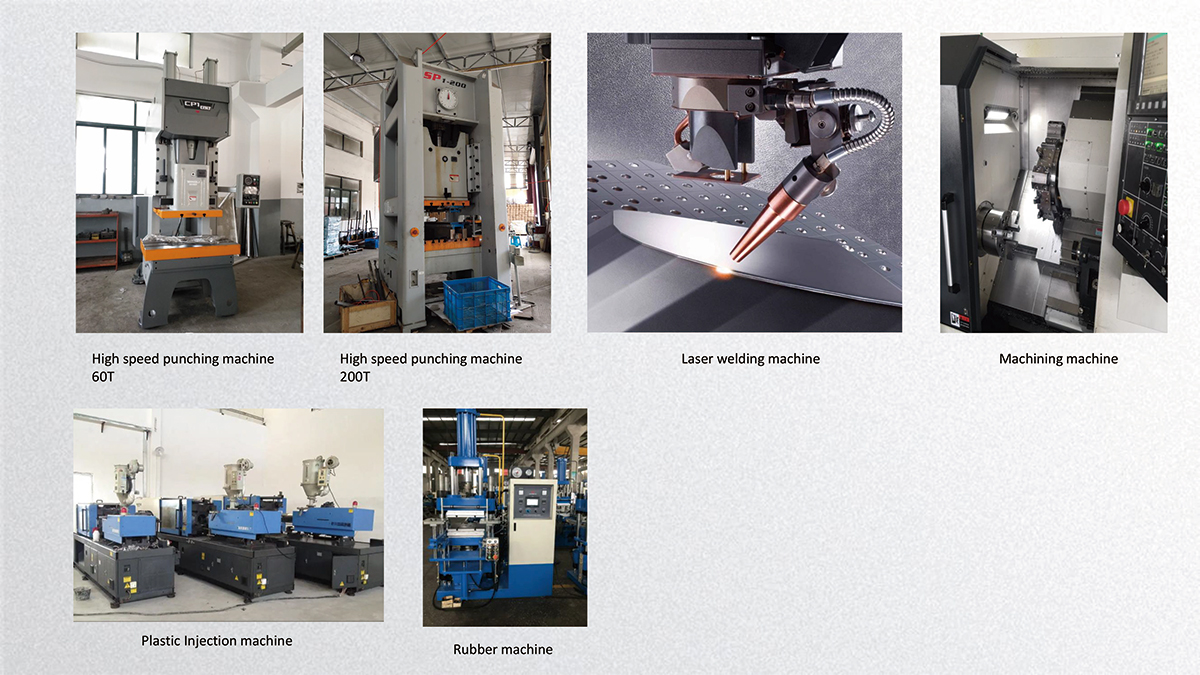
Images should support context, not prove product attributes. If an image does not show a verified black pedestal basin from the supplier, the caption must not describe it as a confirmed basin model. The image can support company review, catalog checking, inquiry planning, or product documentation flow.
The edge-case pressure model here is not a material test. It is a publication-risk test. At the early stage, the page contains only a keyword and general buyer questions. At the middle stage, a supplier may add drawings, material data, and finish photos. At the final stage, after sample review and documentation, the page can publish specific claims. If the process is reversed, the website may publish claims first and request evidence later, which creates revision risk, buyer confusion, and possible search-quality degradation.
A cross-dimensional comparison shows the difference between safe and unsafe architecture. A normal decorative product page can sometimes rely on style photos. A sanitary fixture page must handle physical interfaces and maintenance expectations. A black pedestal wash basin page touches appearance, installation, water contact, cleaning behavior, and replacement parts. The page should reflect that complexity even when the product data is not yet available.
Pre-Publication Randomization Rules Without False Data
Randomization should change layout, not truth. It can vary H2 order, image position, FAQ grouping, CTA wording, table placement, and buyer checklist format. It must not create new material data, dimensions, certifications, coating claims, production methods, or QC results.
For this article set, the forbidden content problem is not only repetition. It is unsupported certainty. Previous content has already explored technical failure routes such as bending behavior, thermal-mechanical fatigue, shear behavior, surface-energy effects, procurement routes, packaging validation, and gasket pressure behavior. This page should not move into those angles. Its distinct angle is publication control under incomplete product evidence.
A useful randomization matrix can guide the next production step:
| Page Element | Allowed Variation | Not Allowed |
|---|---|---|
| H2 order | Verification first or RFQ first | Reusing old technical failure angles |
| Image placement | Between sections, after tables, before checklist | Claiming image proves product material |
| FAQ position | After RFQ or near maintenance section | Turning maintenance intent into verified function |
| CTA wording | Request drawing, request sample, ask for finish data | Claiming product is ready for all projects |
| Table fields | Buyer checks, evidence status, page treatment | Adding dimensions or test values not in source |
PRO-TIP / CHECKLIST
- Confirm whether the product appears in the supplier catalog before publishing model-level claims.
- Request material evidence before describing surface behavior or cleaning tolerance.
- Ask for dimensional drawings before mentioning installation compatibility.
- Confirm drain and hardware scope before answering maintenance questions.
- Review packaging images before discussing export protection.
- Keep FAQ answers conditional until supplier documents verify the product.
- Use images as context only when they do not prove the exact basin.
- Remove any repeated technical angle already used in historical content.
The edge-case comparison for SEO is straightforward. A page that repeats old structures may look complete, yet provide little new value. A page that invents specifications may look persuasive, yet create business risk. A page that controls evidence and guides buyer questions can serve the keyword honestly while leaving space for later enrichment. Once verified specifications become available, the page can be updated with material, finish, drawings, QC checks, packaging validation, and installation notes. Until then, the most useful content is a disciplined framework for what must be confirmed.
Frequently Asked Questions (FAQ)
How to clean wash basin sink?
Do not publish a cleaning method for this black pedestal wash basin until the supplier confirms the surface material and finish system. Cleaning tolerance depends on whether the black appearance is body color, glaze, coating, stone composite, metal finish, or another verified surface.
How to remove the bathroom drain stopper?
Drain stopper removal depends on the supplied drain assembly, not just the basin name. Before writing instructions, confirm whether the basin includes a pop-up drain, lift-rod drain, removable plug, grid waste, or no drain hardware at all.
How to take out a shower drain plug?
This query is not specific to a pedestal wash basin, but it signals maintenance concern. Use it to remind buyers to confirm removable drain parts, access method, spare part availability, and cleaning clearance before purchasing or publishing product guidance.
Can the page describe the basin as ceramic?
No. The available source does not verify ceramic material for this product. Ceramic, resin, stone, metal, and coated surfaces must all remain unconfirmed until supplier documentation identifies the actual material system.
Can the page claim scratch resistance?
No. Scratch resistance requires material and finish evidence, plus a relevant test method. Without supplier data, the page can only ask buyers to request finish samples, care instructions, and test records before accepting that claim.
What should buyers confirm before ordering?
Buyers should confirm material, dimensions, pedestal structure, faucet hole layout, drain hardware, overflow condition, surface finish, cleaning restrictions, packaging method, and sample approval steps. These are inquiry fields, not verified product claims.