
Are linear shower drains recommended for hotel and commercial showers under heavy daily use?
Hotel and commercial shower rooms are designed to move large volumes of water quickly while staying easy to clean and reliable over years of continuous service. In these environments, drainage failures rarely stay hidden for long: standing water, slow runoff, and maintenance complaints tend to surface quickly. This is why many project teams ask whether linear shower drains are actually recommended for hotel and commercial showers, or whether they introduce new operational risks compared with more traditional point drains.
Why drainage performance matters more in hotels and commercial showers
In residential bathrooms, occasional pooling or slow drainage can be tolerated for some time before it becomes a serious issue. Hotel and commercial shower rooms operate under very different conditions. High guest turnover, back-to-back usage, and strict hygiene expectations mean that even minor drainage inefficiencies can quickly translate into negative user experience or operational cost.
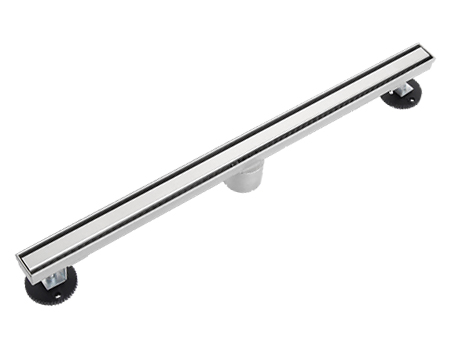
Linear shower drains are frequently considered because their long inlet opening distributes water intake along one edge of the shower. This design can handle higher instantaneous flow rates compared with single-point drains, especially in wide or barrier-free shower layouts. From a purely hydraulic standpoint, this is a real advantage when multiple shower heads or high-flow fixtures are used.
The key question is not whether linear drains can move water, but whether they can do so consistently under commercial usage patterns without creating maintenance burdens or premature failures.
What advantages make linear drains attractive for commercial projects?
The primary engineering advantage of a linear shower drain lies in its ability to collect water continuously along a channel rather than relying on a single inlet point. In hotel and commercial shower rooms, this helps reduce localized pooling, especially near entrances or along walls where water often accumulates.
Another reason linear drains are recommended in many specifications is design flexibility. They support single-slope floor construction, which simplifies tile layout and can improve accessibility. For large-format tiles commonly used in hospitality projects, this can reduce installation complexity and visual interruptions.
From an operational perspective, a properly designed linear drain can also improve surface drying time. Faster water evacuation means less residual moisture on the floor, which supports hygiene standards and reduces slip risk between cleaning cycles.
Common concerns: do linear shower drains clog more easily?
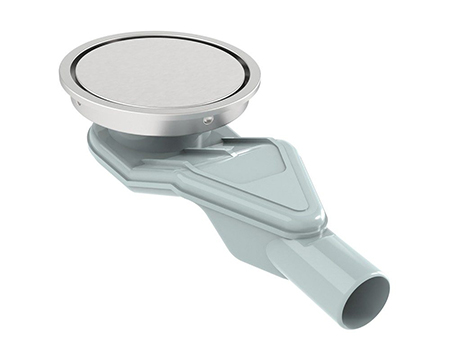
One of the most frequent concerns raised by facility managers is clogging. In commercial shower environments with heavy daily usage and high humidity, hair, soap residue, and small debris can accumulate quickly. Because linear drains have a longer channel, there is a perception that they may trap more debris than point drains.
In practice, clogging risk depends far more on internal channel design, outlet sizing, and maintenance access than on drain length alone. Linear drains with smooth internal surfaces, adequate outlet diameter, and accessible strainers tend to perform reliably even under demanding conditions.
Problems usually arise when linear drains are specified without considering maintenance routines. In hotels, where cleaning staff rotate frequently, drains that require tools or complex disassembly for cleaning are more likely to be neglected. Over time, this neglect—not the linear format itself—becomes the root cause of drainage inefficiency.
Installation quality: the hidden factor behind standing water complaints
Many reported failures of linear shower drains in commercial projects trace back to installation rather than product design. Improper slope is a recurring issue. Linear drains rely on precise floor gradients to ensure water flows consistently toward the channel.
In hotel renovations or fast-track construction schedules, slope tolerances are sometimes compromised to meet deadlines. Even small deviations can lead to standing water along the channel edge, which guests notice immediately.
This is why experienced contractors often emphasize mock-up testing and pre-installation checks. When linear drains are installed with correct slope and alignment, complaints about pooling decrease significantly.
Material durability in high-humidity commercial environments
Material choice plays a critical role in whether linear drains are suitable for long-term commercial use. Low-grade stainless steel or poorly finished surfaces are more susceptible to corrosion, particularly in high-humidity environments with aggressive cleaning chemicals.
In hotels and commercial shower rooms, drains are exposed not only to water but also to detergents, disinfectants, and temperature fluctuations. Over time, these factors can accelerate corrosion if the material specification is insufficient.
This is why many commercial specifications reference corrosion resistance testing and surface durability verification as part of drain selection, rather than relying solely on appearance or initial cost.
How testing standards help verify suitability
When evaluating whether linear shower drains are recommended for hotel and commercial showers, standardized testing provides an objective baseline. Flow rate tests help confirm that the drain can handle peak discharge without overflow. Corrosion resistance tests evaluate how materials perform under prolonged exposure to moisture and cleaning agents.
Water leakage testing is equally important, particularly at the interface between the drain body and waterproofing system. In commercial projects, even minor leakage can lead to structural damage or mold issues over time.
Many project teams reference widely recognized frameworks such as ASTM International materials and plumbing standards and European floor drain requirements like EN 1253 floor drain testing to assess whether a drain design is suitable for commercial environments.
Maintenance realities in hotel operations
Beyond installation and materials, daily maintenance practices strongly influence whether linear drains succeed in commercial settings. Hotels typically prioritize solutions that can be cleaned quickly and consistently by housekeeping teams.
Linear drains with removable grates and straightforward access to the channel interior tend to perform better over time. Designs that hide debris but make cleaning difficult often lead to gradual performance decline.
For project teams comparing options, it is often useful to review maintenance access details alongside hydraulic capacity. This is where referencing a more comprehensive buyer-level resource, such as a full linear drain buyer guide, helps place individual design choices into a broader selection context.
So, are linear shower drains recommended for hotel and commercial showers?
Linear shower drains are widely recommended for hotel and commercial showers when they are specified and installed with commercial usage conditions in mind. Their high flow capacity and distributed water intake align well with large-format, high-traffic shower spaces.
However, they are not a universal solution. Projects that underestimate installation precision, material durability, or maintenance access often experience the very problems they hoped to avoid. In those cases, dissatisfaction stems from mismatched expectations rather than inherent flaws in linear drain design.
Standards, validation, and long-term reliability
Ultimately, the long-term performance of linear shower drains in commercial environments depends on how well they are validated against real operating conditions. Flow rate testing, corrosion resistance evaluation, and leakage checks provide measurable assurance that the drain can handle heavy daily use.
This content is developed based on material performance analysis, standardized plumbing testing references such as ASTM and EN 1253, and real-world application scenarios in commercial shower environments with high humidity and frequent usage. Product specifications and testing approaches referenced here reflect common industry practices used to assess drainage reliability over time.
When linear shower drains are selected with these validation steps in mind, their engineering advantages remain intact while typical failure modes—such as clogging, standing water, or corrosion—are kept within predictable and manageable limits. For hotel and commercial projects, that balance is what ultimately determines whether a drainage solution earns long-term trust.