
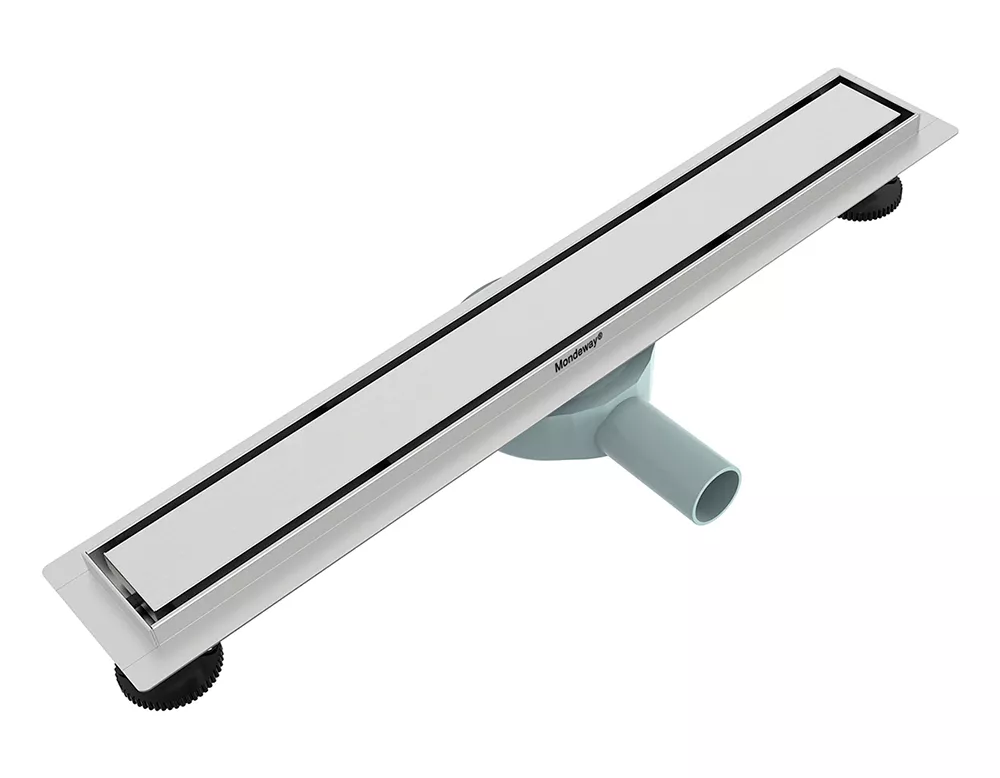
Why Do Stainless Basins Rust and Echo? The Physics of Metal Failure
Reference Standard: ASTM B117 (Standard Practice for Operating Salt Spray Apparatus) & ISO 10846 (Acoustics and Vibration Measurement Standards)
Short Answer
Bimetallic Galvanic Cannibalization: Electron Theft in Multi-Functional Wash Zones
When evaluating the structural degradation of a multi functional stainless steel basin, engineers often misdiagnose localized pitting as simple hard-water scaling or generic oxidation. The genuine root cause operating in high-exposure commercial and residential kitchens is a devastating electrochemical process known as bimetallic galvanic cannibalization. SUS 304 stainless steel derives its resistance from a microscopic chromium oxide passive layer, supported by an 18/8 chromium-to-nickel ratio. However, a kitchen environment presents a perfect storm for localized failure when dissimilar metals are introduced.
Consider the reality of a busy kitchen: a high-carbon steel chef’s knife or a cast-iron skillet is frequently left resting against the wet floor of the basin. When tap water—which is heavily treated with halogen ions like chlorides—pools around the contact point, it forms a highly conductive electrolytic bridge. Because carbon steel and SUS 304 possess vastly different anodic indices, a literal electrical circuit is completed. A measurable galvanic potential difference of up to 0.5V initiates an aggressive “electron theft.” The carbon steel acts as an anode, forcing the stainless steel to sacrifice its localized passivity. The chloride ions instantly bypass the damaged chromium barrier, attacking the underlying iron matrix and triggering rapid anodic dissolution.
To quantify this specific material degradation, we simulate a constant extreme environmental fatigue model under 25°C with a 5% NaCl saline solution. In the initial phase (Hours 0 to 12), the galvanic circuit establishes itself invisibly; the protective chromium layer undergoes imperceptible ionic stripping, yielding a microscopic depletion zone. Progressing into the intermediate phase (Hours 13 to 48), the anodic dissolution forcefully hollows out the crystalline lattice of the steel, creating microscopic pits that trap further chlorides, accelerating the reaction exponentially. By the terminal extreme phase (Hours 48 and beyond), the pitting breaches the 0.2mm depth threshold. The structural matrix collapses locally, presenting as a highly visible, permanent rust crater that penetrates the metal at an accelerated rate of up to 0.15mm per year.
This localized point-failure creates a catastrophic cross-system vulnerability that extends beyond structural decay. The microscopic jagged craters formed by anodic dissolution become perfectly shielded incubators for anaerobic bacteria and organic biofilm accumulation. Standard wiping cannot reach the depths of these galvanic pits, meaning the wash zone becomes a permanent vector for biological cross-contamination, severely compromising food safety protocols in commercial environments.
KEY TAKEAWAYS
- Micro-Galvanic Discoloration: The earliest warning sign is a faint, iridescent brown halo appearing exclusively where heavy metallic cookware previously rested, indicating ongoing electron transfer.
- Localized Surface Friction: Running a metallic probe across the basin floor will reveal abrupt, microscopic catches in specific zones, signaling that the chromium oxide lattice has already been breached.
- Chloride Scent Retention: The compromised pitted zones will actively trap and retain the chemical odor of bleach or chlorine detergents long after rinsing, confirming the presence of deep topographical capillary traps.
Vibro-Acoustic Coupling & Hydroelastic Flutter: The Kinetic Physics of Drumming Resonance
Moving beyond chemical deterioration, the second critical failure mode of the deep-drawing hydraulic press architecture involves acoustic pollution, governed by the physics of hydroelasticity. A standard heavy duty steel wash basin is typically pressed to a structural wall thickness ranging from 0.8mm to 1.2mm. While this gauge provides exceptional dimensional stability and tensile strength against static loads, it creates an extreme stiffness-to-mass ratio. The bare metal basin effectively acts as a highly sensitive, un-damped acoustic diaphragm.
When a high-pressure faucet aerator discharges a laminar flow water stream at a velocity of 0.8 Liters per second, it delivers a massive kinetic payload. As this continuous fluid column impacts the 1.2mm steel floor, the kinetic energy does not simply dissipate; it is forcefully transferred into the metallic crystalline structure. Because there is no internal material resistance to absorb the shock, the steel undergoes violent vibro-acoustic coupling. The impact forces the basin walls into a state of continuous hydroelastic flutter.
This mechanical vibration rapidly oscillates the surrounding air molecules, converting fluid dynamics into severe acoustic reverberation. Spectrographic analysis reveals that this specific steel thickness, when struck by a concentrated water mass, naturally resonates in the 400Hz to 800Hz frequency band. This exact frequency range is uniquely irritating to the human auditory cortex, perceived as a harsh, deafening “drumming” noise that aggressively pollutes the ambient acoustic environment of a residential home or commercial workspace. Without engineering intervention, the basin acts as an acoustic amplifier, magnifying every droplet and utensil impact.

Viscoelastic Kinetic Conversion & Zeta Potential Manipulation: The Industrial Overhaul
To neutralize both galvanic corrosion and vibro-acoustic flutter, modern metallurgical manufacturing demands a systemic industrial overhaul. Factories must implement rigid chemical passivation parameters alongside advanced acoustic physics. Below are four highly technical execution protocols designed to permanently optimize the performance of a rust resistant kitchen basin.
1. Viscoelastic Damping Matrix Integration
* Execution Protocol: To combat hydroelastic flutter, factories must adhere massive, high-density Ethylene-vinyl acetate (EVA) viscoelastic pads to the exterior walls and base of the basin. These pads must cover at least 60% of the flat surface area and be bonded using industrial-grade, temperature-resistant epoxies.
* Material Expected Evolution: The EVA matrix fundamentally alters the basin’s response to kinetic impact. The pads force the kinetic energy of the water stream to undergo viscoelastic kinetic conversion—transforming the mechanical vibration of the steel into harmless, microscopic thermal energy within the polymer matrix.
* Hidden Costs & Side Effects: Improperly formulated adhesives will delaminate under extreme thermal cycling (e.g., pouring boiling pasta water followed by ice). Engineers must specify elastomeric adhesives capable of withstanding a ΔT of 100°C within seconds without losing shear strength.
2. Anodic Electropolishing and Topographical Compression
* Execution Protocol: The forged basin must be submerged in a proprietary electrolytic bath where it acts as the anode. High-amperage direct current is applied, specifically targeting the microscopic peaks of the metal surface, actively dissolving them to compress the surface roughness.
* Material Expected Evolution: The topographical roughness limit is drastically compressed to Ra < 0.2 μm. This effectively eliminates the microscopic valleys and anchor points where chloride-rich dead water can pool, physically depriving the galvanic corrosion process of its required electrolytic bridge.
* Hidden Costs & Side Effects: Electropolishing is highly energy-intensive and requires meticulous calculation of current density to prevent “orange peel” defects. Automated robotic submersion timing is strictly required to ensure uniform material removal across the complex basin geometry.
3. Surface Zeta Potential Reversal
* Execution Protocol: During the final stages of the chemical finishing process, specialized cationic surfactants are introduced into the electropolishing bath. This specific chemical interaction forcibly alters the surface electrostatic charge of the stainless steel.
* Material Expected Evolution: The basin’s surface is engineered to possess a strongly negative Zeta Potential. Because corrosive halogen ions (like chlorides) are also negatively charged, the surface generates an impenetrable, permanent electrostatic repulsion field, actively forcing chlorides away from the chromium oxide layer.
* Hidden Costs & Side Effects: The Zeta potential manipulation can be temporarily masked by heavy grease buildup. The end-user must be educated to maintain the surface with pH-neutral degreasers to ensure the electrostatic repulsion field remains active.
4. Post-Forging Nitric Passivation Bath
* Execution Protocol: Deep-drawing hydraulic presses inevitably embed microscopic iron tooling particles into the SUS304 surface. The basin must undergo a strict immersion in a 20% to 25% nitric acid solution at 50°C for exactly 30 minutes to dissolve these exogenous iron contaminants.
* Material Expected Evolution: The nitric acid strips all free iron from the surface and rapidly forces the chromium to react with ambient oxygen. This regenerates and exponentially thickens the chromium oxide passive layer, elevating the basin’s resistance to pass the severe ASTM B117 48-hour salt spray test without a single rust speck.
* Hidden Costs & Side Effects: Nitric acid off-gassing presents a severe occupational hazard. Factories must deploy heavy-duty atmospheric scrubbers and strict effluent neutralization protocols to ensure the acidic waste does not corrode the factory’s own environmental systems.
| Technical Variable | Bare SUS 304 Baseline | EVA Viscoelastic Matrix | Ra < 0.2 μm Electropolished | Industry Standard Tolerance |
|---|---|---|---|---|
| Acoustic Resonance | 78 dB (Drumming) | 56 dB (Damped) | N/A | < 60 dB at 0.8 L/s flow |
| Galvanic Resistance | Fails at 0.3V | N/A | Withstands 0.6V differential | Zero pitting at 0.5V |
| Surface Topography | Ra 1.2 μm | N/A | Ra 0.18 μm | Ra < 0.4 μm minimum |
| Vibration Frequency | 600 Hz | 120 Hz | N/A | Shift outside 400-800Hz |
| Salt Spray Survival | 12 Hours to initial rust | N/A | > 48 Hours | ASTM B117 24h pass |
PRO-TIP / CHECKLIST
- The Knuckle Tap Audit: Strike the bottom of the basin with a bare knuckle. A high-pitched, ringing metallic echo means the factory skipped the viscoelastic EVA damping matrix. A dull, rapid “thud” confirms proper acoustic insulation.
- The Magnet Refusal Test: Bring a rare-earth magnet to the flat base of the sink. Authentic 18/8 SUS304 is strictly non-magnetic. Any magnetic attraction indicates lower-grade martensitic steel masking as premium material.
- Halogen Isolation: Never leave wet sponges soaked in bleach or harsh detergents resting on the basin overnight. The concentrated chlorides will forcefully breach the chromium oxide layer regardless of its factory thickness.
- Bimetallic Separation: Utilize a silicone bottom grid to physically separate carbon steel knives and cast-iron cookware from direct contact with the stainless steel, permanently disabling the galvanic electron transfer circuit.
- Condensation Undercoating Check: Inspect the hidden underside of the basin. It must be completely covered in a rough, spray-on anti-condensation coating to prevent ambient humidity from condensing into water droplets that damage custom cabinetry.
- Drainage Velocity Angle: Ensure the basin floor possesses X-flume channel grooves stamped into the steel. A perfectly flat base will pool water and accelerate anodic dissolution; water must evacuate at a minimum velocity of 0.8 L/s.
Frequently Asked Questions (FAQ)
How to clear wash basin clog?
A localized clog in the P-trap often consists of saponified lipids (hardened fats) bound with organic particulate. Do not use highly exothermic drain cleaners containing pure sodium hydroxide, as the massive heat spike can warp the basin’s drainage flange. Instead, execute physical extraction using a pneumatic plunge or a mechanical drain snake, followed by an enzymatic bio-cleaner to digest residual lipid binders without initiating thermal shock.
Where does the shower drain go?
The shower drain matrix funnels wastewater strictly through a P-trap assembly—a critical curved pipe section that constantly holds a localized water seal. This water seal physically blocks toxic, highly flammable sewer gases (like hydrogen sulfide) from migrating backward up the vertical stack and invading the residential breathing zone, before directing the effluent into the municipal sanitary sewer mainline.
How to get hair out of shower drain?
Keratin-based hair matrices become structurally entangled with soap scum polymers, creating high-tensile blockages. Chemical dissolution using sulfuric acid is highly dangerous and destroys chrome-plated brass grates. The only scientifically sound method is mechanical extraction utilizing a barbed, flexible polymer wand inserted directly through the grate voids to physically hook and drag the entangled keratin matrix out of the vertical drain pipe.
How to install a linear drain in a shower?
Linear drain installation relies on strict hydro-dynamic gravity grading. The sub-floor mortar bed must be screeded to a precise 2% unilateral pitch (1/4 inch per foot) sloping entirely toward the linear trench. The drain body must be isolated utilizing a waterproof elastomeric membrane structurally clamped to the drain flange to prevent subterranean capillary water migration into the surrounding concrete matrix.