
Reference Standard: Project-specific waterproofing, drainage, and installation documentation
The term shower drain liner can be misleading when it appears in drawings, specifications, installation notes, or quotations. It should not automatically be treated as the verified name of one specific product, material, waterproofing layer, or drain component. Before comparing prices or requesting technical details, buyers should determine what responsibility the term represents in the project documents.
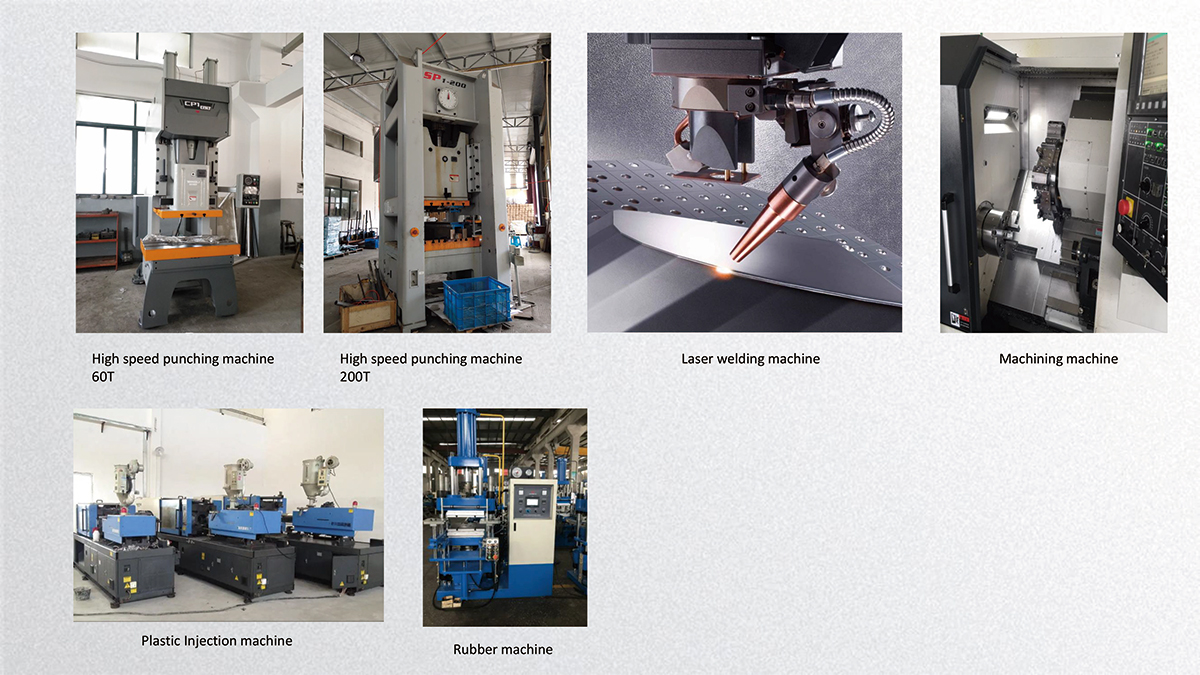
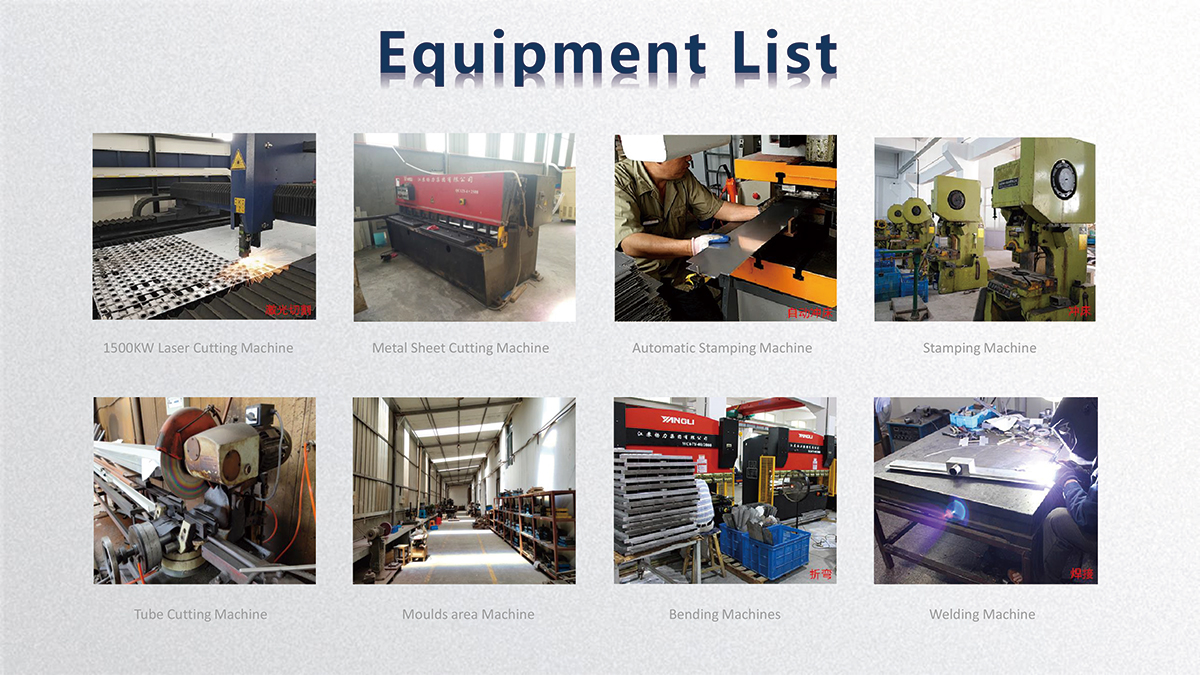
NINGBO MONDEWAY, located at No.88 Shanghuang Xueshiqiao Villiage, Dayin Town, Yuyao, Ningbo city, is a production-oriented company involved in the R&D and manufacturing of confirmed shower-accessory categories including floor drains, stainless steel shower niches, shower basins, shower chairs, shower handles, and shower tray boards. This article uses that broader shower-accessory context to explain how ambiguous drainage terminology can be organized before product-level decisions are made.

What Does “Shower Drain Liner” Mean in Project Documents?
A search phrase can look precise while remaining ambiguous in an actual construction package. Shower drain liner is a good example because the words “drain” and “liner” point toward two different areas of responsibility: drainage hardware and waterproofing.
The safest first question is therefore not “Which shower drain liner should I buy?” but “What does this term represent in this particular project?”
Start with the document where the phrase appears. Its location often gives more decision value than the phrase itself.
If it appears beside a drain symbol on a construction drawing, the surrounding annotations may indicate that the author is referring to a drainage-related item or connection detail. If it appears in a waterproofing specification, the intended responsibility may be associated with the waterproofing system instead. If the term appears only in a quotation, it may be supplier terminology that needs to be reconciled with the designer’s or contractor’s language.
This distinction matters because document terminology is not the same thing as a verified product specification.
Search terms such as 24 linear shower drain, custom shower drain, 120×120mm Shower Drain, or ss shower drain should also remain separate from the investigation. They may describe other search paths or product concepts, but they do not prove what a project author means by “shower drain liner.”
A useful interpretation process begins with four questions:
- Where does the term appear?
- Who produced that document?
- What information immediately surrounds the term?
- Which project responsibility appears to be associated with it?
Those questions prevent buyers from creating a specification that the source documents never actually established.
Separate Drain Components, Waterproofing Layers, and Interface Information
The most useful way to organize an ambiguous shower drain liner reference is to divide the documentation into three responsibility groups.
| Documentation group | What to identify | What not to assume |
|---|---|---|
| Drain information | References to the drain assembly, drain position, component identification, or exact-model documents | Material, dimensions, configuration, or connection design without verification |
| Waterproofing information | References to the waterproofing layer or system surrounding the shower floor | Membrane composition, thickness, performance, or compatibility from terminology alone |
| Interface information | Notes describing how drainage and waterproofing responsibilities meet | A specific connection method or guaranteed compatibility without exact documentation |
The purpose of this separation is not to prescribe a construction system. It is to establish responsibility ownership.
For example, a drain-related drawing may define where drainage is located without defining the waterproofing product. A waterproofing specification may describe the waterproofing scope without defining the drain hardware. A separate installation detail may contain information about how those responsibilities are coordinated.
If all three are compressed into the single phrase “shower drain liner,” buyers can easily request the wrong item, compare quotations with different scopes, or assume that one party is responsible for information that actually belongs to another project participant.
This document-based method is different from mapping physical waterproofing zones. The question here is not how much of the floor must be waterproofed or where a membrane physically extends. The question is which document defines which responsibility.
That distinction is especially important when several organizations contribute information to the same project. An architect, waterproofing system provider, drainage supplier, contractor, installer, and procurement team may each use terminology from a different professional context.
The buyer’s job is to create a common translation layer before treating any of those descriptions as interchangeable.
Signs That the Documentation Scope Is Still Unclear
- The same shower-area item is described with different names in drawings, specifications, and quotations.
- A quotation lists a “liner” without showing which drawing note or specification requirement it corresponds to.
- Drain and waterproofing responsibilities are discussed together, but no document identifies the exact interface information needed for coordination.
Trace the Term Across Drawings, Specifications, and Quotations
A simple traceability record can expose terminology conflicts before they become procurement or installation problems.
Begin by finding every occurrence of shower drain liner in the project information available to you. Do not examine the phrase in isolation. Record the document title, document type, author or issuing party when known, drawing reference or section, and the words immediately surrounding the term.
Then compare that entry with related documents.
Relevant sources may include:
- architectural or construction drawings;
- waterproofing specifications;
- installation notes;
- schedules or bills of materials;
- contractor scope documents;
- supplier quotations;
- exact-model drawings or technical sheets when available.
Suppose a drawing uses one phrase, a specification uses another, and a supplier quotation introduces a third. Similar wording does not prove that all three entries describe the same physical item.
Instead, assign each entry an intended responsibility based on what the document actually communicates.
A practical record might contain these fields:
| Traceability field | Buyer record |
|---|---|
| Exact term | Copy the wording exactly as written |
| Source document | Record drawing, specification, note, schedule, or quotation |
| Issuing party | Identify who provided the information when known |
| Surrounding description | Capture the nearby wording that explains the context |
| Apparent responsibility | Drain, waterproofing, interface, or unresolved |
| Conflicting terminology | Record alternative names used elsewhere |
| Confirmation required | State the specific unresolved question |
The word unresolved is useful. Buyers do not need to force an early interpretation when the available evidence is incomplete.
For instance, if the quotation uses “liner” but the project specification never uses that word, the correct next step is not to decide privately that the two documents refer to the same component. The next step is to request confirmation linking the quotation item to the appropriate project requirement.
Likewise, if a drawing gives a drainage position but does not identify an exact product, that position should not be converted into assumptions about material, size, connection geometry, waterproofing compatibility, or installation procedure.
This is also where procurement comparisons become more reliable. Two quotations cannot be meaningfully compared merely because both contain similar drain-related language. First confirm whether their quoted scopes correspond to the same project responsibility.
The method is straightforward:
- Capture the terminology exactly.
- Identify the source and issuing party.
- Classify the apparent responsibility.
- Find alternative wording in other project documents.
- Mark unresolved mismatches.
- Request clarification before normalizing the terms.
The result is not a new technical specification. It is a traceable record showing what is known, what is merely implied, and what still requires confirmation.
Create a Clear Confirmation Record Before Requesting Exact Product Details
Once the terminology has been traced, convert the findings into a concise confirmation record that can be shared with the relevant designer, contractor, installer, or supplier.
This step makes the later request for product information much more precise.
Instead of asking:
“Please quote the shower drain liner.”
a buyer can communicate the actual uncertainty:
“The construction drawing uses one drain-related term, while the waterproofing specification and quotation use different terminology. Please confirm which quoted item corresponds to the documented drain responsibility, waterproofing responsibility, or drain-to-waterproofing interface before exact product details are compared.”
That approach separates terminology confirmation from product confirmation.
Only after the intended responsibility is clear should the project move toward exact-model questions. Depending on the component involved, those later questions may cover dimensions, materials, configuration, installation documentation, connection details, or other model-specific information. Those details should come from the relevant verified documentation rather than being inferred from the original ambiguous phrase.
Items to Confirm Before Comparing Exact Product Information
- Record the exact phrase used in every relevant project document.
- Identify whether each reference belongs to drain, waterproofing, or interface responsibility.
- Note which organization or project participant issued each document.
- Highlight different terms that may appear to describe the same responsibility.
- Do not merge those terms until the relevant party confirms the relationship.
- Separate confirmed project requirements from assumptions created by search keywords.
- Link each quotation item back to a drawing, specification, schedule, or confirmed scope statement.
- Request exact-model documentation only after the intended component or responsibility is clear.
A confirmation record also creates a useful communication history. If terminology changes later, the project team can see which interpretation was approved and which questions remained open at the time of procurement.
That can be particularly valuable when procurement teams, installers, designers, and suppliers are not working from the same document set. Rather than relying on memory or informal terminology, each decision can refer back to a defined document and a recorded clarification.
For information concerning NINGBO MONDEWAY’s confirmed shower-accessory business scope, buyers can review the NINGBO MONDEWAY company website and contact the company regarding relevant documented product categories. The ambiguous term “shower drain liner” should still be clarified independently rather than treated as evidence of a specific NINGBO MONDEWAY product offering.
Frequently Asked Questions (FAQ)
How should a linear drain installation question be handled when documents also mention a shower drain liner?
First identify whether “shower drain liner” refers to drain hardware, waterproofing responsibility, or interface information in that project. Installation decisions should then follow the exact drain model, waterproofing system, approved drawings, and applicable installation documents rather than an interpretation based only on the ambiguous phrase.