
Round Sink Bathroom Claim-Safety Framework
Reference Standard: Relevant material, dimensional, drainage, packaging, and performance testing standards must be confirmed by the supplier before any product claim is published.
Short Answer
Claim Quarantine Before Any Round Sink Bathroom Page Goes Live
A round sink bathroom page can still be useful without pretending that missing data exists. The safest starting point is a claim quarantine system: every statement is sorted before publication into one of three groups: verified, supplier-pending, or prohibited. This prevents a content team from turning an empty specification field into a false product promise.
In the current source condition, the verified data set is narrow. The target keyword is known, the available internal link is known, and the available image pool is known. The catalog context, however, does not verify sink material, diameter, basin depth, drain opening size, overflow design, mounting type, glaze system, packaging method, or inspection protocol. That creates a zero-parameter product environment, where the main risk is not a broken sink but a broken evidence chain.
A practical quarantine model can use 12 initial fields:
- Product name
- Material
- Outer diameter
- Inner bowl depth
- Drain opening
- Overflow status
- Mounting method
- Surface finish
- Packaging method
- Inspection basis
- Sample photo match
- Final approval owner
In this article, only the first field can be treated as directly usable: round sink bathroom. The other 11 fields remain supplier-pending until a real drawing, quotation sheet, sample report, or inspection document is provided.
An extreme scenario model helps explain why this matters. Suppose a page is published with an assumed material and a buyer later asks for a sample matching that claim. The content team then has to reverse-engineer proof after the claim is already public. That creates a claim reversal burden: every unsupported sentence becomes a liability because the supplier may not be able to match it. In a bathroom fixture category, this is especially risky because buyers often compare installation drawings, drainage compatibility, surface finish, and packaging protection before placing orders.
A cross-dimensional comparison shows the difference between a weak page and a controlled page:
| Page Element | Unsafe Version | Controlled Version | Verification Status |
|---|---|---|---|
| Material | Claims a specific ceramic or stone type | States that material must be supplier-confirmed | Pending |
| Installation | Assumes countertop or pedestal use | Requests installation drawing before publishing | Pending |
| Drainage | Claims drain compatibility | Requires drain size confirmation | Pending |
| Finish | Claims stain or scratch resistance | Waits for finish report or sample review | Pending |
| SEO copy | Fills gaps with common industry language | Explains the verification process | Safer |
This approach gives the article information gain without false technical detail. It also creates a better buyer experience because the reader sees exactly what must be verified before a round sink bathroom product can be ordered, quoted, photographed, or promoted on a commercial site.
Specification Risk Map for a Round Sink Bathroom
A specification risk map is different from a procurement checklist. It does not simply ask for missing fields. It ranks missing fields by the damage they can cause if they are published incorrectly. For a round sink bathroom page, the most dangerous unsupported claims are usually not the most decorative ones. The highest-risk fields are those that affect installation, replacement matching, shipment protection, and after-sales disputes.
Because the source catalog does not verify any sink-specific technical data, the risk map should use a four-tier severity model:
| Severity Tier | Missing Field Type | Risk if Invented | Safer Action |
|---|---|---|---|
| Tier 1 | Mounting method, drain opening, overflow status | Wrong fit or failed installation expectation | Require drawing confirmation |
| Tier 2 | Material, surface finish, bowl depth | Wrong performance or maintenance expectation | Require supplier specification |
| Tier 3 | Packaging and carton method | Shipping damage dispute | Require packing photo and carton data |
| Tier 4 | Lifestyle or design claims | Lower technical risk but still misleading | Use neutral language only |
The edge-case stress model for this section is a replacement-bathroom scenario. A buyer may not be designing a new bathroom; they may be replacing an existing sink. In that case, even a small mismatch in mounting style, bowl height, drain position, or overflow configuration can create a failed purchase. Since the catalog does not give any of these values, the page must not suggest universal compatibility. A responsible sentence would say that compatibility should be confirmed with a drawing and supplier-supplied dimensions before purchase.
A second comparison case is a content versus quotation gap test. If the SEO page says “easy to install” but the quotation does not include an installation drawing, the claim is unsupported. If the page says “durable surface” but there is no material or finish report, the claim is unsupported. If the page says “standard drain fit” but no drain opening size is confirmed, the claim is unsupported. In each case, the problem is not the sink itself; the problem is the mismatch between published copy and verifiable business records.
A safer structure uses measurable content controls:
Publishable now: target product name, category intent, buyer verification logic, FAQ routing, and supplier confirmation process.
Publish only after supplier confirmation: material, size, mounting type, drain opening, overflow design, packaging method, testing method, finish durability, and installation compatibility.
Do not publish: resistance ratings, certification claims, factory process claims, glaze performance, load capacity, dimensional tolerances, or drain efficiency unless documented.
This creates a 3-layer content permission system with 9 major pending product fields and 0 unsupported performance claims. The number matters because it transforms uncertainty into an auditable editorial model. A page can then be improved later by replacing pending fields with real supplier data, rather than rewriting a misleading article from scratch.
Sample Approval Gate for Verified Bathroom Sink Claims
The next safe angle is sample approval. A round sink bathroom page should not move from general category content to product-specific content until a sample approval gate has been completed. This gate protects both SEO integrity and commercial accuracy.
The gate can be built around four approval stages:
- Identity lock: assign a sample code, product name, and supplier reference.
- Visual match: compare sample photos with the page image plan and quotation description.
- Document match: verify drawing, dimensions, material line, drain configuration, and packaging notes.
- Publication release: mark fields as publishable, pending, or blocked.
This is not a claim that the product has passed a physical test. It is a document-control method for preventing unsupported content from entering a live page.

The extreme scenario model here is a sample-photo mismatch event. Imagine a supplier sends a photo of a round basin, but the quotation sheet does not confirm whether it is a countertop sink, pedestal sink, or another bathroom basin type. If the content team publishes the image as a specific installation type, the page may become inaccurate even though the image itself is real. The sample approval gate prevents this by requiring photo, drawing, and description to agree before a claim is released.
A cross-dimensional test can compare three different evidence levels:
| Evidence Level | What It Proves | What It Does Not Prove | Publication Rule |
|---|---|---|---|
| Product photo only | Visual category shape | Material, size, installation, performance | Use only as general visual support |
| Quotation line only | Supplier commercial reference | Physical quality or compatibility | Use with caution |
| Drawing plus sample review | Basic product identity and dimensions | Long-term durability unless tested | Suitable for controlled claims |
| Test report plus inspection | Specific performance data | Claims outside the test scope | Suitable for technical claims |
This approval gate also helps avoid accidental keyword cannibalization. Previous sink-related content may have focused on specifications, structural integrity, or procurement evidence gaps. This article uses a different focus: publication approval control. The central question is not “what is the sink made of?” but “what can a company safely say before the sink data is verified?”
KEY TAKEAWAYS
- A product photo does not prove material, mounting type, or drain compatibility.
- A quotation line does not prove finish durability, packaging strength, or inspection quality.
- A live SEO claim should not exceed the evidence level of the available documents.
For an internal team, this model is easy to operationalize. Before page publication, mark every product statement with one of three tags: approved, pending, or blocked. A statement such as “round sink bathroom product page for buyer verification” can be approved. A statement such as “confirmed ceramic basin with standard drain opening” must remain pending unless a supplier document proves it. A statement such as “guaranteed crack-resistant surface” should be blocked unless a real test report supports it.
Publishing Standards and Validation Controls
A careful publishing standard should separate general educational content from technical product claims. The current source condition does not support sink-specific standards, but a page can still reference recognized organizations as places where real testing and dimensional requirements may be checked once the supplier provides actual product data. For example, bathroom plumbing fixtures are often evaluated through formal standards bodies such as ASME or broader product testing organizations such as ASTM International, but a page must not claim compliance unless the exact product has documented proof.
The first validation control is field-level release control. Each field gets an owner and evidence source. Material should be released only from a supplier specification, drawing, test report, or verified product sheet. Dimensions should be released only from a drawing or measured sample. Installation compatibility should be released only from an installation drawing or confirmed product design. Inspection language should be released only from an actual inspection procedure, not a generic assumption.
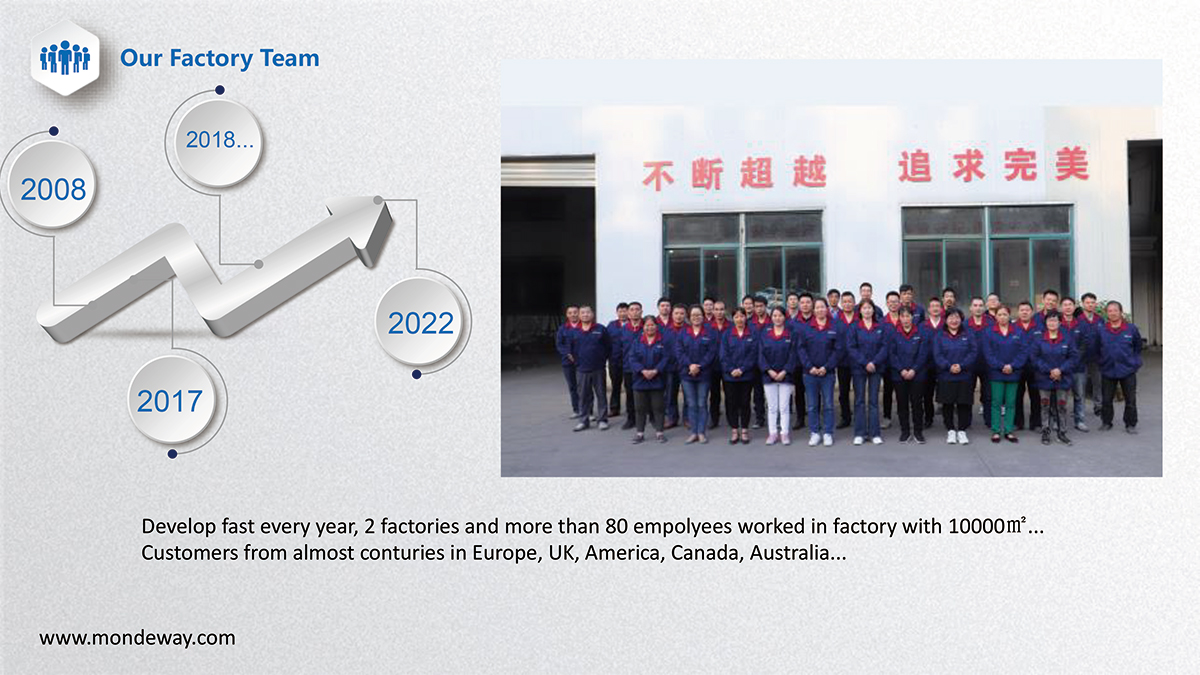
The second validation control is image-to-copy alignment. Since the available image pool is limited and not verified as round sink bathroom product photography, images should function as company or process visuals only. They should not be used to imply a real basin material, finish, size, or installation method. This protects the page from visual misrepresentation.
The third validation control is FAQ boundary filtering. The provided FAQ queries include drain clearing, shower tray blockage, pedestal sink replacement, and drain path questions. These are useful because they reflect bathroom search behavior, but they should be answered carefully. The article must not imply that the target product includes a drain assembly, pedestal system, or shower tray component unless confirmed. The FAQ can provide general routing advice while keeping product-specific claims blocked.
The fourth validation control is revision staging. The page should be published in stages: Version 1 can explain verification logic. Version 2 can add supplier-confirmed fields. Version 3 can add sample photos and dimensional drawings. Version 4 can add inspection results, packaging validation, or confirmed installation details. This staged method avoids overclaiming at launch.
| Control Area | Minimum Evidence Needed | Safe Current Status | Release Decision |
|---|---|---|---|
| Product name | Keyword and page intent | Available | Publish |
| Material | Supplier specification or test report | Not available | Hold |
| Dimensions | Drawing or measured sample | Not available | Hold |
| Drain details | Drawing or supplier confirmation | Not available | Hold |
| Installation type | Product drawing or instruction sheet | Not available | Hold |
| Packaging | Packing photo or carton spec | Not available | Hold |
| Performance claims | Product-specific test data | Not available | Block |
PRO-TIP / CHECKLIST
- Confirm whether the product is a sink, basin, vanity bowl, or replacement component before writing detailed copy.
- Request supplier material data before using ceramic, porcelain, stone, resin, or metal descriptions.
- Require a dimensional drawing before mentioning diameter, depth, drain size, overflow design, or mounting type.
- Treat all lifestyle images as visual support only unless they show the verified product sample.
- Keep drain, pedestal, and shower-related FAQ answers general unless the product scope includes those components.
- Add a revision note whenever a pending field becomes supplier-confirmed.
- Block any durability, certification, or resistance claim that lacks a product-specific document.
A final comparison case is useful for editorial governance. A low-control page tries to look complete on day one and fills missing fields with familiar industry language. A high-control page admits what is not yet verified and gives the buyer a path to confirmation. The second approach is more credible, easier to update, and safer for long-term SEO. It also supports internal linking without pretending that the product data is complete. For broader company context, readers can visit the Mondeway homepage while product-specific details remain pending.
Frequently Asked Questions (FAQ)
How to clear clogged bathroom drain?
Clear visible debris first, then use safe mechanical methods such as a drain snake if appropriate. Do not assume the sink product includes a specific drain system unless confirmed. For a product page, drain maintenance advice should stay general until drain hardware is documented.
How to replace a pedestal sink?
A pedestal sink replacement depends on mounting points, supply lines, drain alignment, and wall support. Since the uploaded source does not verify that the target product is a pedestal sink, any replacement guidance should remain general and should not be attached to this product claim.
How to install a pedestal sink?
Installation normally requires wall anchoring, pedestal alignment, supply connection, and drain connection. However, this round sink bathroom page cannot claim pedestal compatibility without a supplier drawing. The safe action is to request installation documentation before publishing specific instructions.
How to clean bathroom drain blockage?
Use non-destructive cleaning steps first: remove visible hair or debris, flush with warm water, and use a suitable manual tool. Avoid product-specific promises about drainage performance unless the sink’s drain design and compatible hardware are confirmed.
Where does the shower drain go?
A shower drain normally routes wastewater into the building’s drainage system through a trap and waste line. This is a general plumbing concept, not a verified feature of a round sink bathroom product. Do not connect shower-drain claims to this page unless the product scope includes shower components.
How to unclog a shower drain without tools?
You can remove surface debris by hand if safe, flush with warm water, or use a mild household method suitable for the pipe material. This question belongs to general bathroom maintenance and should not be used to imply verified sink drain performance.