
Plastic Drain Performance Stability System
Reference Standard: Relevant material and performance testing standards including EN1253-1, ISO 9001 quality management practices, CUPC certification frameworks, and WaterMark compliance references.
Short Answer
A plastic drain can perform reliably in bathroom environments when installation accuracy, material behavior, sealing integrity, and inspection procedures are managed together as one system. Many field complaints are not caused by a single defect but by a chain of small deviations that gradually affect drainage performance, odor control, and long-term stability.
When Small Installation Deviations Become Drain Performance Problems
A plastic drain is often judged after installation, but many performance outcomes are determined long before the first drop of water enters the system. Small deviations during floor preparation, tile placement, mortar application, and outlet alignment can accumulate into larger operational consequences over time.
The available product information confirms the use of ABS and PVC materials, floor drain product categories, plastic injection equipment, and air-based leakage testing processes. No dimensional data is provided, so evaluation must focus on installation logic rather than unsupported numerical assumptions.
One overlooked factor is cumulative positioning error. A drain body may leave production in acceptable condition, but if the surrounding floor layers introduce uneven support, localized loading can occur around the drain perimeter. Plastic materials respond differently from metal materials because stiffness, thermal response, and long-term stress behavior are not identical.
A practical comparison illustrates the issue:
| Installation Condition | Initial Appearance | Short-Term Behavior | Long-Term Risk |
|---|---|---|---|
| Uniform support | Normal | Stable drainage | Lower risk |
| Uneven mortar contact | Normal | Minor movement | Progressive instability |
| Misaligned outlet connection | Acceptable | Slower flow path | Higher blockage probability |
| Localized tile pressure | Acceptable | Cover movement | Fitment degradation |
An extreme-use simulation can help explain the mechanism. Imagine a bathroom exposed to daily wet-dry cycles for years. Water enters, evaporates, and reappears repeatedly. Minor structural deviations that appear insignificant during installation may become more noticeable after repeated expansion, contraction, and loading events.
The important lesson is that installation quality should be viewed as a system variable rather than a single inspection item. A plastic drain that appears acceptable on day one may reveal performance variation only after repeated service cycles.
ABS/PVC Drain Bodies Under Bathroom Chemical And Thermal Stress
Plastic drains are commonly used in bathrooms because moisture resistance, manufacturing flexibility, and installation convenience make them practical solutions. The available information confirms ABS and PVC material routes but does not provide laboratory performance ratings. Therefore, only objective material science principles should be discussed.
At the microscopic level, polymer-based materials respond differently to environmental exposure than metallic materials. A bathroom environment creates a repeating cycle of moisture, temperature variation, cleaning chemicals, soap residues, and organic contaminants. These factors do not necessarily cause immediate failure, but they can influence long-term dimensional stability and sealing consistency.
A useful stress timeline model can be divided into three phases:
Early Stage
The drain operates normally. Surface appearance remains largely unchanged. Drainage performance depends primarily on installation quality and sealing integrity.
Middle Stage
Repeated environmental cycling begins influencing interfaces and connections. If support conditions are uneven, localized stress concentration may become more visible. Minor movement or fit variation can appear.
Extended Service Stage
Accumulated environmental exposure becomes more important than individual events. Thermal changes, cleaning chemical exposure, and repeated moisture cycles can magnify pre-existing weaknesses introduced during installation or assembly.
A cross-dimensional comparison helps clarify the concept:
| Factor | Short Exposure | Repeated Exposure |
|---|---|---|
| Moisture | Minimal effect | Continuous cycling influence |
| Cleaning residue | Limited effect | Accumulation potential |
| Temperature variation | Temporary response | Repeated expansion-contraction behavior |
| Structural loading | Local influence | Long-term cumulative effect |
Because the manufacturer information includes plastic injection capability and drain production expertise, consistency of molded components becomes important. Even when manufacturing quality is stable, environmental conditions continue influencing product performance after installation.
KEY TAKEAWAYS
- Persistent localized moisture around a drain can indicate a developing installation-related issue.
- Small changes in cover fit or movement may signal accumulated structural stress.
- Recurring slow drainage often appears before more visible performance complaints.
Leakage Signals Before They Become After-Sales Claims
Most after-sales complaints do not begin as major failures. They usually begin as small operational signals that are ignored because the system still appears functional.
The available quality information confirms that drains undergo air-based leakage testing and that quality management references include ISO 9001, CE, CUPC, WaterMark, and EN1253-1 related compliance frameworks. These references do not eliminate risk in every installation scenario, but they provide a foundation for quality verification.
Early warning signals often fall into several categories:
Odor Development
An occasional odor event may indicate changes in sealing conditions, water retention behavior, or connection integrity. Odor should be treated as a diagnostic signal rather than merely an inconvenience.
Minor Moisture Presence
Visible water is not required for leakage concerns to exist. Small moisture traces around interfaces can reveal developing connection issues.
Gradual Drainage Slowdown
A drain rarely transitions from normal operation to severe blockage instantly. Progressive drainage reduction often appears first.
Cover Movement
If a cover begins feeling less stable than during initial installation, surrounding support conditions should be reviewed.
An extreme comparison model demonstrates the importance of early detection:
| Observation | Immediate Impact | Future Consequence |
|---|---|---|
| Slight odor | Low concern | Escalating user complaints |
| Minor moisture | Limited visibility | Potential structural damage |
| Slow drainage | User annoyance | Increased blockage risk |
| Cover instability | Cosmetic concern | Functional fitment issues |
The most effective troubleshooting strategy is recognizing signals before they become warranty discussions. Early intervention generally requires less corrective work than waiting for visible system deterioration.
What Buyers Should Confirm Before Approving A Plastic Drain Sample
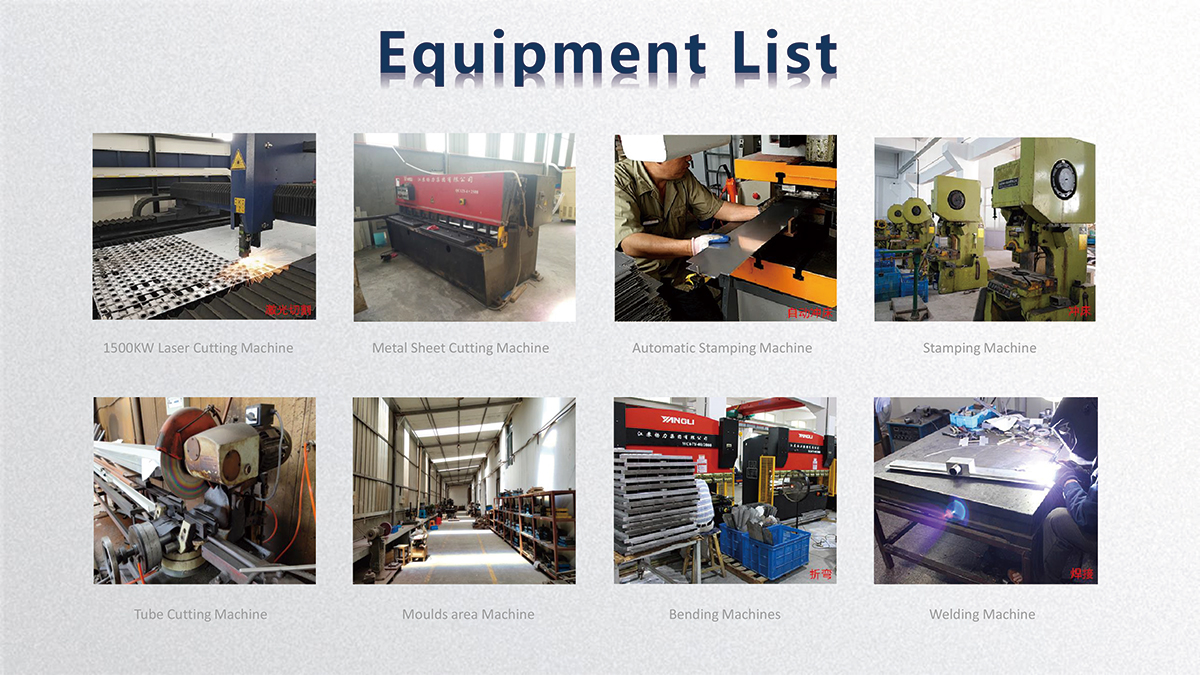
Sample approval should focus on operational outcomes rather than appearance alone. The available information confirms OEM and ODM capabilities, a development path from concept to production, plastic injection equipment, customized packaging options, and air-based leakage verification.
A practical approval system should include four verification layers.
Solution 1: Interface Stability Verification
Execution Protocol
Inspect how components engage during assembly. Confirm that connection points remain stable during handling and repeated installation simulations.
Expected Material Evolution
Stable interfaces reduce the probability of movement-related performance variation after installation.
Hidden Cost Avoidance
Ignoring interface evaluation can create expensive field corrections later.
Solution 2: Flow Path Review
Execution Protocol
Observe whether the internal drainage path remains unobstructed and consistent throughout assembly.
Expected Material Evolution
A consistent flow path supports predictable drainage behavior.
Hidden Cost Avoidance
Flow path issues discovered after project completion are more difficult to correct.
Solution 3: Surface and Edge Inspection
Execution Protocol
Review molded areas for excessive flash, deformation, or assembly interference.
Expected Material Evolution
Cleaner geometry improves fit consistency and installation experience.
Hidden Cost Avoidance
Small defects can generate disproportionately large installation complaints.
Solution 4: Packaging and Transportation Validation
Execution Protocol
Evaluate sample condition after transportation simulation and handling cycles.
Expected Material Evolution
Proper packaging reduces transportation-induced distortion risk.
Hidden Cost Avoidance
Packaging failures often create quality disputes unrelated to actual manufacturing capability.
| Validation Area | Inspection Focus | Risk Level if Ignored | Verification Method |
|---|---|---|---|
| Connection integrity | Assembly stability | High | Physical fit check |
| Drainage path | Flow continuity | High | Functional review |
| Molded surfaces | Edge quality | Medium | Visual inspection |
| Cover engagement | Seating consistency | Medium | Repeated installation |
| Packaging protection | Transit condition | Medium | Handling simulation |
PRO-TIP / CHECKLIST
- Confirm interface stability during repeated assembly.
- Inspect molded edges for deformation or flash.
- Review cover seating consistency.
- Check drainage path continuity.
- Verify packaging protection effectiveness.
- Request leakage verification records when available.
- Examine samples after transportation handling.
- Evaluate installation practicality, not appearance alone.
Frequently Asked Questions (FAQ)
How to install shower drain for tile?
The drain should be aligned with the surrounding floor system before final tile placement. Stable support, accurate positioning, and consistent sealing are generally more important than cosmetic appearance during installation.
Where are floor drains required by code?
Requirements vary by jurisdiction. Local building regulations determine whether floor drains are mandatory in bathrooms, utility rooms, commercial facilities, or wet areas.
Where to place linear drain in shower?
Placement depends on shower layout, waterproofing design, and floor construction strategy. The chosen position should support efficient water collection and practical maintenance access.
Why is my shower drain gurgling?
Gurgling often indicates air movement irregularities, partial blockage conditions, or drainage system interactions. Investigation should focus on the drainage path and connected plumbing system.
Why is sewer smell coming from shower drain?
Possible causes include trap-related issues, sealing concerns, drainage system problems, or insufficient water retention in the drainage assembly. The source should be identified before corrective action is selected.