
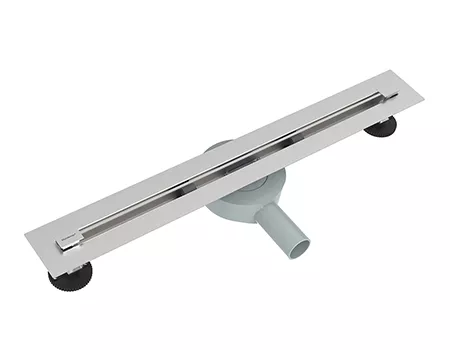
Plastic Drain Filter Tips for Cleaner Showers
Reference Standard: Relevant material and performance testing standards include ISO 9001 quality management logic, the EN 1253-1 drainage product context shown in the supplier catalog, and separate plastics validation methods such as ISO 6603 for impact behavior of plastics.
Short Answer
A plastic drain filter sits at a small but active point in the bathroom drainage system. It is not the whole drain, not a chemical unclogging tool, and not a certified waterproofing layer. Its practical value is simpler: it helps keep visible debris near the user-accessible side of the drain so cleaning happens earlier, faster, and with less disruption.
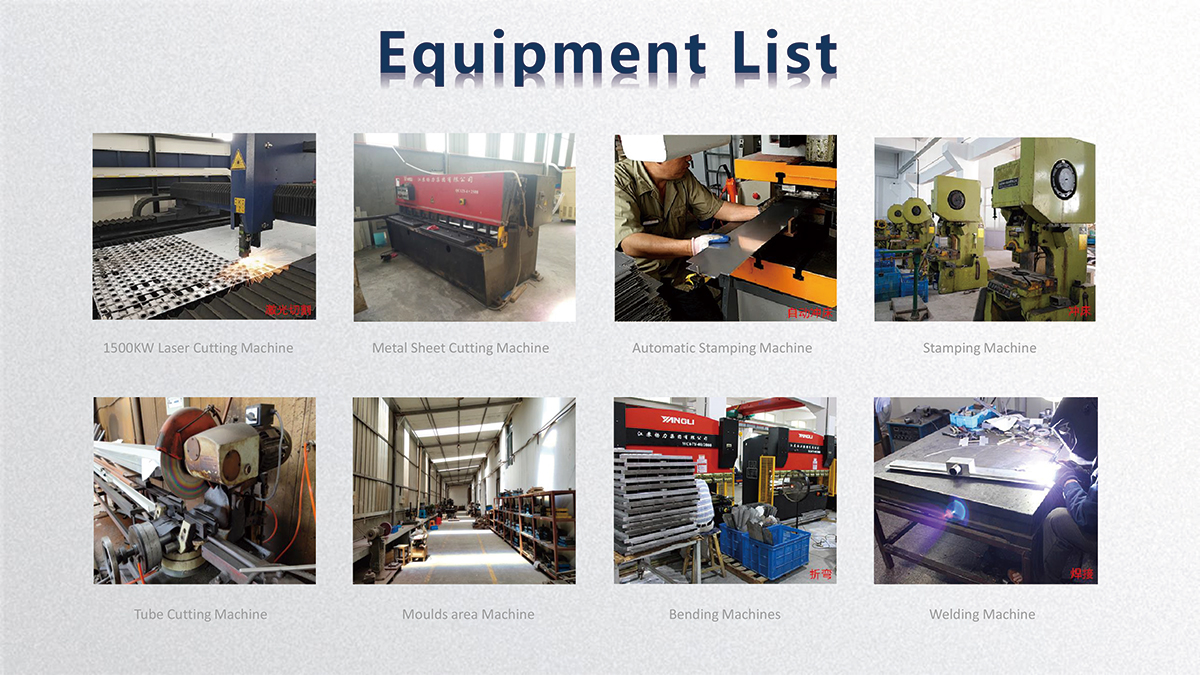
The available catalog evidence supports a careful, bounded reading. The supplier focuses on shower-room accessories such as floor drains and shower drains, lists material categories including Plastic, and identifies ABS / PVC in the drain production line. The equipment list also shows a Plastic Injection machine, while the customization process includes Concept, Drawing, Prototype, Mould, Trial production, and Products. Those are useful manufacturing signals, but they do not prove a specific hole size, temperature rating, load rating, antibacterial treatment, or certified flow capacity for a named plastic drain filter SKU.
For a buyer, installer, or bathroom-accessory brand, the most useful tips are therefore about lifecycle behavior, small geometry, residue control, and verifiable supplier evidence.
From First Shower Use to the First Slow Drain: How a Plastic Drain Filter Enters the Maintenance Cycle
A drain filter begins working before the user notices a problem. During the first shower, water carries hair strands, soap film, shampoo residue, skin particles, and small debris toward the drain opening. A plastic filter is positioned as a front-line interception part, meaning its performance is shaped by what accumulates on the surface rather than only by the material itself.
The material route matters because the catalog connects the broader drain system with Plastic, ABS, and PVC. Both ABS and PVC are thermoplastic materials, which means their final part behavior depends strongly on molding, cooling, wall thickness, and geometry. A well-molded plastic component can hold its intended shape during normal bathroom use, but a poorly controlled shape can produce local gaps, raised edges, or unstable seating. These issues do not always appear on day one. They often appear after repeated removal, cleaning, and reinstallation.
Mechanically, the early stage of use is mostly about capture efficiency versus open drainage area. The more debris a filter catches, the more frequently it must be removed and cleaned. If the design is too closed, the user may see slow drainage sooner. If the design is too open, more hair may bypass the filter and move into the drain path. Since the catalog does not provide confirmed hole geometry or flow data for this exact item, the responsible purchasing method is to request a drawing, sample, and drainage-use confirmation rather than treating every plastic filter as equivalent.
A practical fatigue model can be described in three stages without inventing a certified value. In the initial stage, the filter is clean, the shape is closest to the molded design, and water passes mainly through the intended openings. In the middle stage, hair begins to bridge across ribs or holes, soap residue creates a tacky film, and the effective open area is reduced even if the plastic part itself is not damaged. In the extreme stage, accumulated residue can force water to pool above the drain opening, while repeated user handling may expose burrs, weak edges, or loose fit if the molding and finishing were not controlled.
A cross-dimensional comparison test is useful here. Place two samples of the same apparent size into the same bathroom drain opening. Sample A has a smoother edge and remains stable after repeated removal. Sample B has sharper flashing and slightly uneven seating. Even if both are made from a plastic route associated with ABS or PVC, the user experience differs because the failure trigger is not only raw material. It is the combination of mold quality, edge finish, surface residue, and cleaning behavior.
| Lifecycle stage | What the user sees | Likely mechanism | What to verify before order |
|---|---|---|---|
| First use | Normal drainage | Open filter area is still clear | Basic fit and removal feel |
| Early residue stage | Slightly slower drain | Hair bridges across the filter | Filter geometry and cleaning access |
| Mid-cycle stage | Visible soap film | Oils and soap reduce open area | Surface smoothness and edge quality |
| Heavy-use stage | Pooling near drain | Debris load exceeds cleaning interval | Maintenance instructions and sample test |
| Repeated handling | Loose or rough feel | Burrs, warpage, or weak seating | Injection molding consistency |
KEY TAKEAWAYS
- Slow drainage often begins as open-area loss, not as immediate material failure.
- A removable filter should be checked after repeated cleaning, not only during first installation.
- Burrs, uneven seating, and residue traps are early warning signs before user complaints increase.
The Small Geometry Problem: Fit, Edge Finish, and Removal Tips
The most overlooked part of a plastic drain filter is not the word plastic. It is the geometry. A small plastic drain accessory has to sit correctly, allow water to pass, catch visible debris, and still be easy to remove. If one of those functions is weak, the user may blame the material even when the real issue is poor fit.
The supplier catalog gives one useful process clue: the OEM/ODM path moves through Concept, Drawing, Prototype, Mould, Trial production, and Products. That sequence is important for a plastic drain filter because the part is usually small enough that minor shape variations can matter. A small raised rim, a tight corner, a shallow grip point, or a rough molded edge can change how the user handles the part during cleaning.
An edge-condition model is especially useful. At the concept stage, the buyer should define the drain opening type, expected user handling, removal direction, and whether the filter is decorative, hidden, or purely functional. At the drawing stage, the outer boundary, grip area, ribs, holes, and cleaning access should be visible. At prototype stage, the sample should be placed into the target drain opening and removed repeatedly. At mould stage, shrinkage and cooling behavior become important because thermoplastics can change shape after molding. At trial production stage, parts from different positions in the run should be compared to detect warpage, flash, or inconsistent seating.
A cross-dimensional test case can compare user handling with drainage behavior. In a bathroom sample test, one filter may pass water well when new but be difficult to lift out after soap residue forms around the edge. Another may be easier to remove but too loose in the drain opening. Neither problem is solved by simply choosing ABS or PVC as a label. The better method is to test fit, cleaning, and reinstallation as one combined cycle.
For a low-cost component, the hidden cost is usually not the unit price. It is the complaint pattern. A filter that is uncomfortable to remove may be cleaned less often, allowing residue to accumulate. A filter that sits poorly may shift under water movement. A filter with sharp flash may feel cheap even if the resin route is acceptable. These are small geometry failures, but they affect repeat purchase decisions.
PRO-TIP / CHECKLIST
- Confirm whether the supplier can provide a drawing before mold confirmation.
- Ask for at least one physical sample to test in the actual drain opening.
- Check the edge by hand after repeated removal and cleaning.
- Look for visible flash, warpage, sink marks, or uneven seating.
- Test whether hair can be removed without tools or aggressive pulling.
- Confirm whether customized logo and customized packing are required for retail.
- Treat certificates as SKU-specific evidence, not as automatic proof for every accessory.
Odor Is Not a Material Claim: Separating Drain Smell, Residue Build-Up, and Filter Cleaning Behavior
One of the most common mistakes in drain accessory content is to treat odor as if it is a direct material feature. A plastic drain filter should not be described as deodorizing, antibacterial, sterilizing, or chemically active unless the supplier provides specific test data. In a typical shower environment, smell is more often connected with organic residue, trapped hair, soap film, standing moisture, and drain condition.
The plastic filter can influence odor indirectly. If it catches hair near the surface and can be removed easily, the user can clean the residue before it moves deeper into the drain path. If the filter is hard to remove, has hidden corners, or creates residue traps, then it may become part of the smell problem. This is not a contradiction. The same accessory can reduce maintenance difficulty when designed well, or increase cleaning frustration when designed poorly.
At the material-behavior level, ABS and PVC are not automatically odor-control materials. Their useful role in this context is formability, cost practicality, and suitability for molded shapes in normal wet-area accessory use. The catalog supports the presence of ABS / PVC in the drain production context and the presence of plastic injection equipment. It does not support claims about antimicrobial additives, chemical hair dissolution, or special deodorizing performance.
A residue timeline makes the issue clearer. In the initial phase, water rinses across a clean surface and most visible debris is easy to remove. In the middle phase, shampoo, soap, and body oils create a film that helps hair cling to the filter. In the heavy-residue phase, trapped organic matter can remain wet for longer periods, creating a local smell source. The user may search for a chemical solution, but the first technical question is more basic: can the filter be removed and cleaned quickly without damaging the part or disturbing the surrounding drain cover?
A practical comparison case can separate chemical cleaning from mechanical cleaning. If two filters catch similar hair loads, but Sample A has smooth access and Sample B has narrow corners that hold residue, Sample A is more likely to stay acceptable with routine rinsing. Sample B may require more brushing, more frequent removal, or user frustration. The difference is not an invented antibacterial function. It is cleanability by geometry.
For buyers, this distinction protects the product page from overclaiming. It is safe to discuss maintenance support, removable cleaning, and residue interception. It is unsafe to imply that the plastic itself dissolves hair, eliminates smell, or prevents microbial growth unless verified by specific test reports.
Supplier Evidence for a Low-Cost Drain Accessory: What Can Be Verified Before Bulk Orders
A plastic drain filter may be low in unit cost, but the purchase should still be evidence-based. The available supplier information provides several verification points: the company works with shower-room drain accessories, lists Plastic among material categories, mentions SS304 / SS316 / ABS / PVC in its drain production line, shows a Plastic Injection machine, supports OEM and ODM orders, and states that customized logo and customized packing are acceptable. It also references ISO 9001 Management, stable quality control, and certificates such as CE, CUPC, Watermark, and EN1253-1 in the broader drain context.
The key tip is to separate general supplier capability from exact SKU proof. A certificate shown in a company catalog does not automatically prove that every plastic drain filter model carries the same certification. A buyer should ask whether the specific item, material, packaging, and market destination are covered by the relevant document. This is especially important when a filter is bundled with a drain set or sold as a replacement accessory.
Solution 1: Material route confirmation.
Execution Protocol: Request the exact material route for the sample and production order, using the catalog-supported boundary of Plastic, ABS, and PVC as the starting point. Ask the supplier to state whether the production item is ABS, PVC, or another plastic. Then compare the answer with sample appearance, flexibility, edge finish, and intended bathroom use. The goal is not to create a chemical lab report for every order, but to avoid vague material descriptions before packaging artwork and bulk production begin.
Material behavior expectation: When the material route is confirmed, the buyer can better predict molding behavior, stiffness, surface feel, and fit stability. This does not create a certified temperature or load rating, but it helps prevent mismatch between expected use and actual part behavior.
Hidden cost and side-effect control: Over-specifying material without understanding the application may increase cost without improving user experience. The safer approach is to match material confirmation with sample testing, cleaning behavior, and drain compatibility.
Solution 2: Mold and sample validation.
Execution Protocol: Use the supplier’s OEM/ODM sequence as a gate system. Concept defines use. Drawing defines geometry. Prototype confirms handling. Mould confirms manufacturability. Trial production checks repeatability. Products should only follow after visible edge quality, fit, and removal behavior are acceptable.
Material behavior expectation: For a molded plastic accessory, repeatability improves when the mold, cooling, and edge-finishing expectations are locked before production. The measurable change is not a universal number; it is lower variation between samples, fewer visible burrs, and more consistent seating.
Hidden cost and side-effect control: Too many late-stage design changes can delay production or require mold adjustment. Buyers should resolve the grip area, outer fit, and cleaning access before approving trial production.
Solution 3: Cleaning-cycle inspection.
Execution Protocol: Test the sample through repeated wetting, hair loading, rinsing, removal, and reinstallation. Do not evaluate only the unused part. Check whether residue hides in corners, whether the user can remove the filter with wet hands, and whether the edge remains comfortable after repeated handling.
Material behavior expectation: A good cleaning-cycle result should show stable shape, acceptable edge feel, and no obvious functional distortion under normal bathroom handling. It should also keep the maintenance action simple enough for regular use.
Hidden cost and side-effect control: A filter that catches more debris may require more frequent cleaning. That is not always a defect. The risk appears when the design catches debris but makes removal difficult.
Solution 4: Packaging and SKU evidence review.
Execution Protocol: Confirm export-standard packing, customized packing requirements, barcode or label needs, and whether the plastic drain filter is sold alone or as part of a drain kit. If certificates are used in marketing, ask for SKU-level relevance and market scope. For broader standards context, buyers can review drainage product categories through organizations such as IAPMO and quality management context through ISO.
Material behavior expectation: Proper packaging does not change the polymer, but it can reduce deformation, surface scuffing, mixed-SKU errors, and retail presentation problems during transport.
Hidden cost and side-effect control: Overly light packing may reduce freight cost but increase customer complaints. Overly heavy packing may raise landed cost. The best balance depends on channel: bulk installation, e-commerce, or retail display.
| Verification point | Catalog-supported evidence | Buyer test method | Acceptance baseline |
|---|---|---|---|
| Material route | Plastic, ABS, PVC mentioned | Ask for material declaration | No vague resin description |
| Production method | Plastic Injection machine shown | Review sample consistency | Stable shape and clean edge |
| Customization | OEM/ODM, logo, packing support | Confirm drawing and artwork | Approved sample before bulk |
| Cleaning behavior | Shower drain accessory context | Wet handling and removal test | Easy removal without rough edges |
| Packaging | Export standard and customized packing | Drop and visual inspection | No deformation or mixed items |
| Certification boundary | ISO 9001, CE, CUPC, Watermark, EN1253-1 shown | Request SKU relevance | No unsupported compliance claim |
Plastic Shower Drain Filter Tips for Buyer-Side Testing
A good buyer-side test does not need to imitate a full laboratory. It should reproduce the small stresses that actually define user satisfaction. Start with fit. Put the filter into the target drain opening, press lightly around the edge, and check whether it rocks, shifts, or sits unevenly. Then remove it with wet hands. If removal already feels awkward when clean, it will likely feel worse after soap residue builds up.
Next, test debris behavior. Use a controlled amount of hair-like fiber and mild soap residue to see whether the filter captures debris without becoming impossible to rinse. Do not treat complete capture as the only success metric. A filter that catches everything but clogs instantly may not be better than one that balances interception and drainage.
Then inspect the molded surface. Look for flash along the edge, sink marks near thicker sections, warpage across the seating area, or sharp points around holes. These are normal inspection targets for injection-molded plastic parts. The catalog’s plastic injection capability is a manufacturing starting point, but buyer-side sample inspection is still necessary because the final result depends on mold condition, process control, and production repeatability.
The most useful extreme scenario is not industrial abuse. It is a normal bathroom user who forgets to clean the filter for too long. In that scenario, the filter faces wet residue, hair load, repeated moisture, and sudden cleaning force. The question is whether the product can still be removed, rinsed, and reinstalled without cracking, deforming, or feeling unsafe to handle.
Frequently Asked Questions (FAQ)
How to get rid of smell in a shower drain?
Start by removing visible hair and organic residue from the drain filter and drain opening. Smell often comes from wet debris, soap film, and trapped organic matter, not from the plastic material itself. Clean the removable filter first before using stronger drain treatments.
What dissolves hair in a shower drain?
Chemical drain cleaners may dissolve hair, but they should be used cautiously and according to the cleaner label. A plastic drain filter works differently: it catches hair near the surface so it can be removed mechanically before it moves deeper into the drain.
How to unclog the shower drain?
Remove the plastic drain filter, clear hair and soap residue, rinse the filter, and check the visible drain opening. If water still drains slowly after the filter is clean, the blockage may be deeper in the drain line and may require a plunger, drain tool, or professional help.
How to thaw a frozen shower drain?
Do not assume the plastic filter is the main issue. Frozen drains are usually a pipe or building-temperature problem. Use safe warm-water methods only if appropriate for the plumbing system, avoid sudden extreme heat, and check whether the filter can be removed without force.
How to unclog bathroom drain naturally?
Manual removal is the safest first step. Take out the drain filter, remove hair, rinse soap residue, and clean around the drain opening. Mild household methods may help with odor or light residue, but a deep blockage needs mechanical clearing rather than relying on the filter.
How to fit a shower drain filter?
Match the filter to the drain opening shape and confirm stable seating. A good fit should not rock, pinch, or require force. For bulk orders, request a drawing and sample before production so the outer boundary, edge finish, and removal behavior can be checked.
How to fix a clogged bathroom drain?
Clean the accessible filter first, then check whether slow drainage continues. If the filter is clear but water still pools, the blockage may be below the visible drain area. Avoid blaming the plastic filter until the deeper drain path has been inspected.