
Reference Standard: Relevant material and product documentation should be reviewed for the exact model before technical details are treated as specifications.
A modern wall niche is best understood first as a design-led search phrase, not as a complete technical product definition. The available product evidence supports two concrete facts: the relevant product category is a stainless steel shower niche, and the documented application is the shower room. The word “modern” may express an aesthetic preference, but it does not by itself establish size, color, finish, geometry, edge design, orientation, compartment layout, or installation method.
What Does “Modern Wall Niche” Actually Describe?
Search language often compresses several different ideas into one phrase. In “modern wall niche,” the word “niche” identifies the recessed storage concept, while “modern” usually communicates a preferred visual direction. That visual direction can matter in a bathroom project, but it should not be treated as if it were a measurable product specification.
The available company documentation does not use the exact phrase “modern wall niche.” It does, however, explicitly include stainless steel shower niches within a shower-accessory product range. That distinction matters because it gives buyers a reliable starting point without turning an aesthetic adjective into an engineering claim.
A modern appearance could be interpreted in many ways by different buyers, designers, contractors, or suppliers. One person may mean a restrained rectangular form. Another may be referring to a particular surface appearance, a visually simple edge, a vertical proportion, a horizontal layout, or a niche that integrates quietly into surrounding tile. None of those characteristics is automatically confirmed by the word “modern.”
This is why the phrase should be normalized before it becomes part of a purchase brief. The safest interpretation is:
- Verified product category: stainless steel shower niche.
- Verified environment: shower-room use.
- Design preference: modern appearance.
- Model-dependent details: dimensions, orientation, finish, edge treatment, compartment layout, wall-opening requirements, and installation interface.
That separation reduces specification mismatch. It also improves communication because the buyer can discuss appearance without accidentally implying that a preferred style has already been verified as a model feature.
For readers comparing a bathroom niche wall or shower niche wall, this distinction is especially useful. Search phrases can help discover products, but the final purchase decision should be made from exact-model information rather than from the assumptions attached to a keyword.
Anchor the Product Brief in Verified Stainless Steel Shower Niches
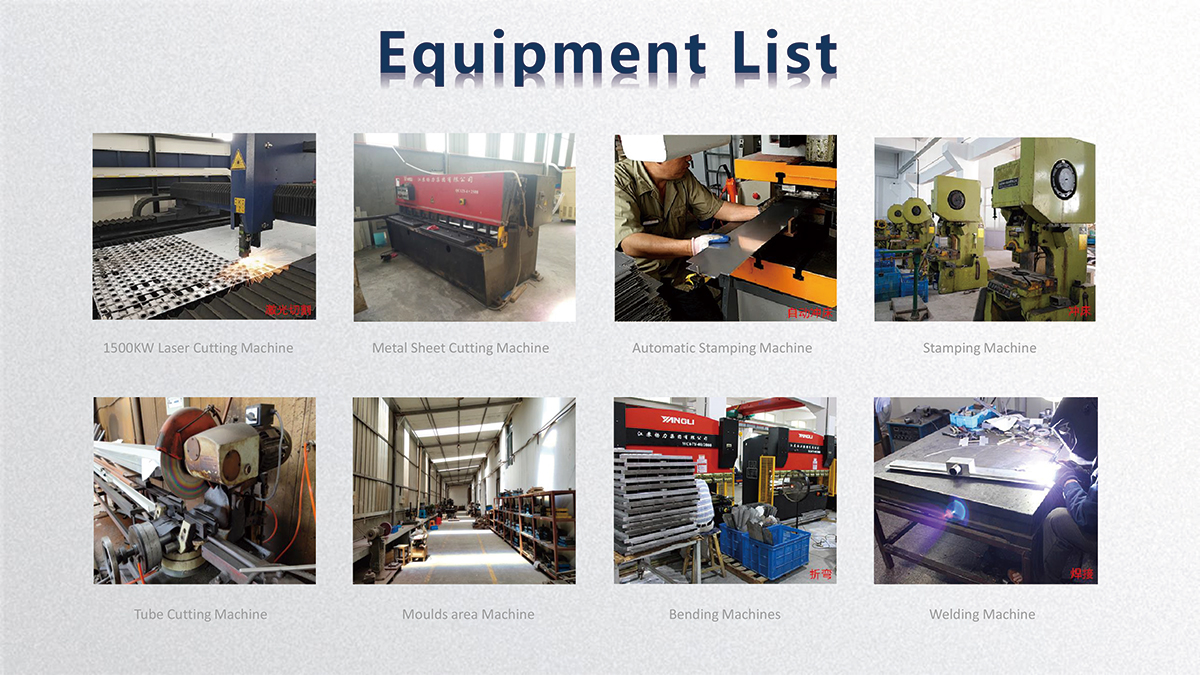
The strongest product brief starts with facts that are already supported. Ningbo Mondeway Sanitary Ware Co., Ltd. is presented as a production-oriented company engaged in research, development, and manufacturing of shower accessories. Its documented range includes floor drains, stainless steel shower niches, shower basins, shower chairs, shower handles, and shower tray boards. The documentation also places the listed products in the shower-room context.
For the current topic, those facts support a narrow but useful product definition: the search should be anchored in a stainless steel shower niche intended for shower-room use.
That is enough to establish product identity at the category level. It is not enough to infer a particular stainless steel grade, niche depth, overall dimensions, wall-opening size, flange design, surface treatment, number of compartments, load capacity, waterproofing method, or installation system. Those are all details that can vary by model and should remain open until exact documentation is reviewed.
This evidence-first wording helps avoid a common sourcing problem: converting a broad product category into a specification that the source never actually provided. For example, “stainless steel” is a confirmed material statement here. A specific grade is not. “Shower room” is a confirmed application context. A specific tile assembly or waterproofing interface is not. “Shower niche” is a confirmed product category. A particular large wall niche dimension is not.
A practical brief can therefore begin with a concise sentence such as: “We are evaluating a stainless steel shower niche for shower-room use and prefer a modern visual style.” The remaining details can then be listed as items that require model confirmation.
The distinction also keeps internal discussions clearer. Designers can own the aesthetic layer, while purchasing teams or installers can own the model-verification layer. No one needs to argue about whether “modern” implies a specific finish or proportion; those become explicit questions instead.
For broader company and product context, buyers can review Ningbo Mondeway’s main site and then request exact documentation for the niche model under consideration.
Keep Modern Design Preferences Separate From Confirmed Product Facts
The term “modern” is useful when it remains a preference. It becomes risky when it is silently converted into a technical claim.
A clean way to manage this is to divide the selection discussion into two columns: what is already confirmed and what still needs model-level confirmation.
| Decision layer | What can be stated now | What still needs exact-model confirmation |
|---|---|---|
| Product identity | Stainless steel shower niche | Exact model designation |
| Application | Shower-room use | Exact wall and installation interface |
| Style | Modern appearance is the buyer’s preference | Actual model geometry and visual details |
| Surface | No model-specific finish is established here | Finish type, color, texture, or treatment |
| Size | No model dimensions are established here | Width, height, depth, opening size |
| Configuration | No compartment layout is established here | Orientation, shelves, divisions, edge form |
This structure prevents several common assumption jumps. A buyer searching for a niche for wall installation may see an image that looks minimal and conclude that the model has a certain flange style. A large wall niche search may create an expectation about width or storage capacity. A modern bathroom image may encourage an assumption about color or surface treatment. None of those visual or search-driven cues should be promoted into specifications without exact model evidence.
The material fact deserves the same discipline. Stainless steel is a broad material family, and the supplied evidence establishes only the general material description. Without model-specific documentation, it is not appropriate to state a grade, corrosion rating, thickness, finish process, or performance threshold for the niche being evaluated.
The same principle applies to installation. A shower niche is part of a wall assembly, so dimensions and interfaces matter to project coordination. But the current evidence does not define those interfaces. It is therefore more accurate to say that installation details must be confirmed than to predict how the niche is fixed, waterproofed, edged, or integrated with tile.

Style cues that should trigger model verification
- A visual reference suggests a specific color or finish that is not named in the product documentation.
- A search phrase such as “large wall niche” is being treated as if it confirms dimensions.
- An installation drawing is being discussed before the exact niche model and its wall-interface details are available.
Keeping these boundaries visible does not make the buying process slower. It makes the questions more precise and reduces the chance that design intent, catalog evidence, and model specifications will be mixed together.
Confirm the Exact Model Before Treating Style Details as Specifications
Once the category and design direction are clear, the next step is to turn preferences into model-specific confirmations. This is the point where the exact product record matters more than the search phrase.
The confirmation process should remain tightly connected to the style-to-specification gap. It does not need to become a general installation guide. The goal is simply to identify which details must be documented before a preferred “modern” appearance can be translated into an orderable product.
Model details to record before final selection
- Exact model identity: Record the model name or number so every later drawing, image, quotation, and specification refers to the same item.
- Overall dimensions: Confirm the published width, height, and depth for that exact model rather than relying on the visual proportion of an image.
- Wall-opening information: Obtain the model-specific opening or interface details needed for project coordination.
- Configuration: Confirm orientation, internal divisions, shelves, edge form, or other structural features shown for the exact model.
- Finish information: Confirm the actual finish, color, texture, or surface treatment instead of assuming that “modern” means a particular appearance.
- Installation documentation: Review the exact-model installation information before treating any wall, tile, or fixing detail as established.
This method allows design language to remain flexible until the evidence is available. A buyer can say, for example, that the project prefers a clean, contemporary appearance, but the purchase specification should only name the finish, dimensions, and configuration after those details are confirmed for the selected model.
It also helps manage substitutions. If one niche model becomes unavailable and another is proposed, the replacement should not be accepted merely because it also looks “modern.” The comparison should return to the same documented fields: material, shower-room suitability, model identity, dimensions, configuration, finish, and installation information. That keeps the decision anchored in verifiable attributes instead of visual similarity alone.
Ningbo Mondeway Sanitary Ware Co., Ltd. provides the evidence-backed category context needed to begin this discussion: stainless steel shower niches are part of its documented shower-accessory range, and the products are presented for shower-room use. From there, exact-model documentation should control every detail that goes beyond those category-level facts.
The result is a clearer brief and a cleaner decision path. “Modern wall niche” remains a useful search and design phrase, while the final product definition is built from confirmed information. That is the practical difference between describing an aesthetic intention and writing a technical specification.