

How to Choose a Stainless Steel Floor Drain for High-Humidity Residential Showers
Homeowners and project teams who want a stainless steel floor drain that can really prevent ponding, clogging and odor in a residential shower quickly realize that catalog photos are not enough; the practical answer comes from reading drainage-flow capacity, trap-seal behavior, grate design and installation details together so the final specification stays reliable in day-to-day use.
For plumbing design engineers, drainage planners and contractors, the drain decision is less about picking a generic stainless model and more about matching flow performance, odor control and cleanability to the exact shower enclosure. A compact guest shower with occasional use, a family bathroom with heavy hair load and a barrier-free walk-in shower all put very different stresses on the same stainless steel floor drain geometry.
This buyer guide focuses on residential high-humidity shower environments, where warm water, detergents and frequent use combine to test the drain’s hydraulic capacity and trap stability. The goal is to turn real-world constraints into clear engineering criteria so you can narrow down stainless steel floor drain options with confidence instead of guessing from appearance alone.
What makes a stainless steel floor drain reliable in a high-humidity shower?
In a wet residential shower zone, a stainless steel floor drain has to handle several tasks simultaneously. It must accept the peak flow from the showerhead or rainshower without allowing water to pool beyond the designed floor slope. It needs to maintain a stable water seal in the trap so sewer gas cannot escape, even when the bathroom is unused for a few days. It has to capture hair and larger debris near the grate instead of pushing everything into the waste line. And it has to offer realistic access for cleaning so that hair and biofilm can be removed without damaging delicate components.
When those expectations are not built into the specification, the symptoms arrive quickly: water lingering around the drain opening, slippery patches where soap film accumulates, intermittent bad smells and complaints that water is tracking toward the bathroom door rather than disappearing toward the drain. These are not random “bad luck” events; they usually point to mismatches between grate open area, internal geometry, trap design and how the shower is actually used.
For a buyer, the most useful starting point is to translate the typical usage pattern into a few questions: how much water will be discharged at once, how much hair and fine debris will realistically arrive at the grate, how disciplined cleaning routines will be, and how intolerant the household is to odor or slip-related issues. Each answer points toward specific stainless steel floor drain configurations and away from others.
Point drains vs linear and wall drains: which stainless steel floor drain layout suits your shower?
Most residential showers use either point-style stainless steel floor drains or linear and wall-mounted drains. All three can work in a high-humidity enclosure, but they shape the floor slope, tile cuts and maintenance routine in different ways.
Point or square stainless floor drains gather water into a single outlet near the center or edge of the shower. Products similar to the square floor drain family place a removable grate over a compact body connected to the trap. These drains suit layouts with four-way or two-way slopes and smaller tiles that can follow compound angles without awkward cuts.
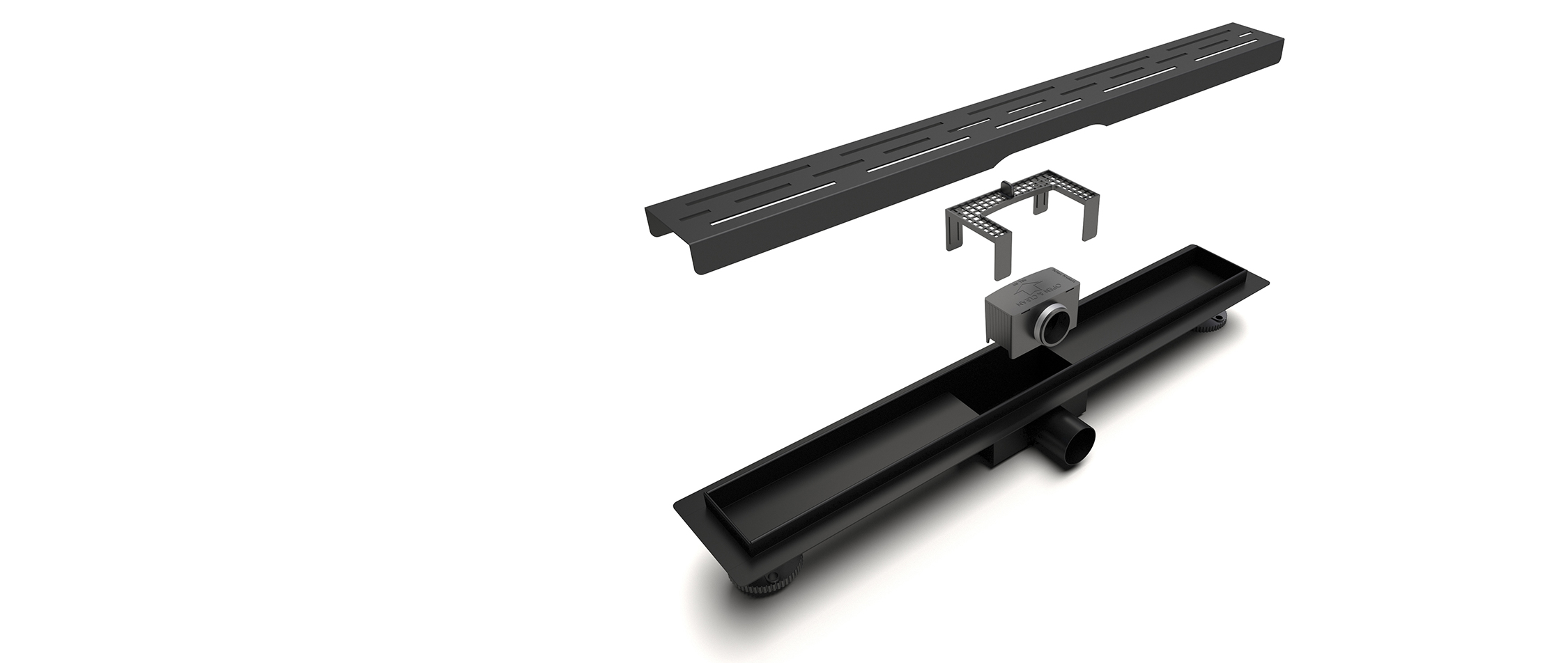
Linear stainless steel shower drains, like the models presented on the linear shower drain page, run along one edge of the shower area. They allow the floor to fall in a single direction, which is especially helpful with large-format tiles and barrier-free entries. For users who want a calm visual field and minimal changes in level, this configuration often feels more natural underfoot.
Wall-installed stainless drains, such as those shown on the wall shower drain page, move the inlet from the floor surface to the base of the wall. This can clean up the center of the shower floor visually, but it raises the bar for waterproofing details at the wall-to-floor interface and demands careful attention to the bonding between membranes, screed and drain body.
Choosing between these layouts is not only an aesthetic decision. It affects how water reaches the grate, how quickly hair accumulates, how easily the grate can be lifted and how simple it is to clean the trap. A square floor drain placed where water naturally converges on a small footprint may outperform a longer linear drain that ends up partially outside the main spray area.
How to translate your shower layout and fixtures into drain capacity and trap requirements
Once the basic drain layout is chosen, the next step is to translate the actual shower configuration into technical requirements. That begins with understanding how wide the shower footprint is, where glass panels or curtains sit and how close the door or dry zone is to the wet area. In a typical high-humidity family bathroom, it is safer to position the stainless steel floor drain where the slope naturally leads water, even if this means adjusting existing pipework, rather than forcing water to change direction unnaturally.
Fixture choice immediately drives hydraulic capacity. A single low-flow showerhead does not load the drain the same way as a rainshower paired with body jets. Manufacturers usually publish drainage-flow results from controlled tests; these values should be compared with the combined flow rate of the chosen fixtures, leaving a margin for partial blockage at the grate and within the trap.
The trap-seal design is the next gate. In many residential projects, some bathrooms see constant use while others sit idle for days. When the water seal in the trap is too shallow or insufficiently protected from pressure fluctuations, evaporation or siphon effects can open a path for sewer gas. In the specification stage, this means checking that the stainless steel floor drain incorporates a trap depth and geometry designed for intermittent use and that it has been evaluated in anti-odor trap performance tests rather than only static water tests.
At this stage it is useful to imagine “what could go wrong” in your particular shower. A narrow, long enclosure with a door near the spray zone may be more sensitive to small reductions in flow capacity, because even a thin film of water can travel toward the door if the floor drain does not draw the flow decisively. A more square footprint allows water to converge more symmetrically on a central drain but can expose thin gratings to repeated concentrated loads near the center.
For households with long hair or heavy use of conditioners, the flow calculations should assume accelerated hair accumulation. In those cases, opting for a grate pattern that balances open area with easy hair removal is more important than chasing the highest possible nominal flow value. Drain bodies designed with accessible baskets or hair catchers simplify maintenance and keep hydraulic performance closer to tested values over time.
Grate geometry, traction and cleanability: getting the surface behavior right
Because stainless steel floor drains sit directly underfoot in a shower, grate design has to handle both hydraulics and traction. Narrow, closely spaced slots or perforations can trap hair effectively but may develop slippery films if soap and conditioner residues are not cleared frequently. Wider openings may clear water more aggressively but can be uncomfortable or feel unsafe for users with smaller feet or reduced stability.
In high-humidity residential showers where users move quickly across the wet area, textured or brushed surfaces, rounded edge details and grate patterns that break up long continuous slots can improve grip. The aim is to avoid smooth, featureless surfaces that offer little resistance when covered with soapy water. Where the household includes older adults or users who rely on stools or other assistive devices, specifying thicker, stiffer gratings with adequate support ribs reduces the risk of local deformation and preserves the designed surface profile.
Cleanability is closely tied to grate design. A stainless steel floor drain that technically meets flow requirements but requires tools and multiple fasteners to remove the grate is unlikely to be cleaned as often as needed. A more practical pattern is one where the grate can be lifted by hand or with a simple hook, exposing hair catchers or accessible trap components that can be cleared without disturbing sealing systems.
Failure patterns you should design against when choosing a stainless steel floor drain
Looking at typical failure patterns helps convert abstract specifications into concrete buyer criteria. In residential high-humidity showers, three themes recur: clogging at or under the grate, odor issues from unstable trap seals and deformation or surface wear under repeated use.
Clogging occurs when hair, lint and small debris build up faster than the user’s cleaning routine addresses them. Narrow internal passages within the drain body, sharp corners where hair can snag and inaccessible cavities all increase the likelihood that flow will be choked. For projects that already experienced this problem, more specialized troubleshooting resources on stainless steel floor drain clog diagnostics can help you read the symptom pattern and avoid repeating the same configuration.
Odor problems typically reflect trap-seal instability rather than simple dirt. Infrequently used bathrooms, warmer climates and long horizontal runs in the waste line can combine to create conditions where seals dry out or are pulled empty during negative pressure events. Selecting stainless steel floor drains with deeper water seals, protective internal geometries or supplementary mechanical elements helps keep odors under control in these challenging environments.
Deformation and abrasion add a long-term dimension. Thin grates that look sleek on day one can slowly bow when users stand repeatedly over the same region, or when equipment such as stools concentrates load on a narrow area. Similarly, fine sand and renovation dust can abrade brushed finishes, leaving visible wear even if the metal remains structurally sound. For bathrooms that will see high traffic or abrasive particles, a more robust grate profile and a finish chosen for its wear resistance rather than appearance alone tend to age better.
How engineering tests and standards support better stainless steel floor drain choices
Behind every stainless steel floor drain that quietly performs for years is a collection of engineering tests that tie real shower conditions to repeatable performance numbers. For buyers and specifiers, the goal is not to become standards experts, but to understand which test families matter and how to use them as filters when comparing products.
Drainage flow rate tests, such as those aligned with the European floor drain framework in EN 1253 for floor drains in buildings, measure how much water a drain can evacuate under defined conditions. Waste-fitting evaluations in documents like EN 274 for sanitary appliance waste fittings complement this by examining how outlets and connections behave as part of the broader system. When manufacturers connect their stainless steel floor drain data to these kinds of methods, it becomes easier to trust comparisons between models.
Trap-seal performance and material behavior are often evaluated using broader plumbing and materials frameworks maintained by organizations such as ASTM International and in code-oriented collections like the plumbing and drainage-related documents catalogued under ASME codes and standards. While individual domestic bathroom projects may not explicitly reference all of these documents, the fact that a manufacturer aligns testing with them is a strong signal that their stainless steel floor drain designs are anchored in industry-recognized methods rather than arbitrary in-house checks.
For high-humidity residential showers, the practical takeaway is that published flow values, trap-seal stability data and material endurance results that can be traced back to such standards help you move beyond marketing claims. When that information is read alongside this guide’s focus on layout, usage patterns and maintenance, you gain a much clearer sense of which stainless steel floor drains will behave predictably in your actual bathroom rather than only in a laboratory.
Step-by-step decision path for selecting a stainless steel floor drain in a humid residential shower
Turning all of these dimensions into a concrete decision path is where a buyer guide earns its keep. A structured way to approach stainless steel floor drain selection in a high-humidity residential shower is to move through four phases: define the enclosure, shortlist by layout, filter by performance and finally refine by surface behavior and maintenance.
1. Define the shower enclosure and water load
Start with the basics: footprint, door and glass arrangement, and spray pattern. Measure how far the main spray area extends toward the dry zone and identify where a slope naturally wants to send water. Note the type and number of fixtures and calculate the combined flow rate at realistic pressures. A small enclosure with a single low-flow head will have relatively modest demands, while a larger walk-in shower with rainshower and auxiliary outlets will load the drain much more heavily.
2. Choose point, linear or wall layout based on slope and tile strategy
Next, select a drain layout that cooperates with both slope and tile choices. If the design calls for large-format tiles and a single-direction fall, a linear or wall-mounted stainless steel drain is usually the natural partner. If small tiles and more complex slopes are acceptable, a square floor drain near the hydraulic low point remains a robust and well-understood option. At this stage, you are simultaneously protecting hydraulic performance and avoiding difficult tile cuts that can become long-term weak points.
3. Filter candidates by hydraulic capacity and trap-seal stability
With the layout decided, check which stainless steel floor drains can comfortably handle the expected flow based on published test results. Eliminate any product that has a rated capacity too close to or below your combined fixture flow, especially if hair and soap will be common. Among the remaining options, examine trap geometry and any anti-odor features, favoring designs that have been explicitly validated for intermittent use and pressure variations in domestic waste lines.
4. Refine by grate pattern, traction and maintenance expectations
Only after the hydraulic and trap-seal fundamentals are solid should you fine-tune by surface pattern and cleaning access. In households where someone is responsible for regular maintenance, slightly more intricate grate designs with good hair interception can be a good fit. In bathrooms where cleaning is sporadic, more forgiving geometries that shed debris more easily may be safer. Across both cases, the grate should be easy to lift and reseat without specialized tools so that the maintenance expectations you rely on in your specification can actually be met.

If, while following this decision path, you find that the main concern is recurring clogging, it can be helpful to consult a more focused failure-oriented resource such as a dedicated article on why stainless steel floor drains clog and how to diagnose root causes. When slip risk around the drain is the primary issue, a pattern-focused comparison of grate geometries and surface traction in stainless steel floor drains offers additional insight into which patterns give better barefoot stability in soapy conditions.
Maintenance and long-term verification in a humid bathroom environment
Even the most carefully specified stainless steel floor drain will underperform if maintenance is ignored. In a high-humidity residential shower, a practical routine usually involves a quick visual inspection of the grate after cleaning, manual removal of visible hair and periodic access to any hair catcher or basket to clear accumulated debris. For heavily used family bathrooms, a simple rule of thumb is to plan a quick drain check every week or two rather than waiting for symptoms like slow drainage or odor.
When issues do appear despite good product selection, the pattern of failure can help pinpoint the cause. Persistent ponding near the door may suggest that floor slope, not the stainless steel floor drain, is the main culprit. Repeated seal deformation can indicate overtightening during installation or an incompatibility between seal design and temperature cycles. In such cases, methodical troubleshooting frameworks for stainless steel floor drains provide a way to separate product limitations from installation and maintenance errors.
Buyers who prefer visual reference material can supplement this decision guide by reviewing the manufacturer’s installation guide and related installation videos, which show how correct assembly, sealing and slope formation support the performance assumptions built into stainless steel floor drain designs.
Why standards-based testing and real shower conditions belong in every stainless steel floor drain decision
High-humidity residential showers quietly stress every weakness in a stainless steel floor drain: marginal flow capacity, unstable trap seals, awkward grate geometries and surfaces that wear quickly under fine abrasives. When selection is based only on initial appearance or price, these weaknesses tend to surface as callbacks, complaints and improvised fixes long after the bathroom has been handed over.
By anchoring your decision in both standards-based testing and realistic shower usage, you give yourself a more objective way to judge options. Flow and waste-fitting tests rooted in frameworks such as EN 1253 and EN 274, combined with material and trap-seal evaluations tied to the plumbing and materials work of bodies like ASTM and ASME, provide measurable references for what a stainless steel floor drain can handle. Reading those results alongside your own expectations for occupancy, cleaning habits and tile layout makes it much clearer which models will behave predictably in your specific bathroom.
Viewed this way, choosing a stainless steel floor drain for a humid shower enclosure is less about chasing the most elaborate design and more about finding a configuration where hydraulic capacity, trap-seal stability and maintainability are in balance. When those elements are consciously matched to the environment of a high-humidity residential bathroom and backed by appropriate testing, the drain becomes a quiet part of the room’s reliability instead of a recurring topic in maintenance logs or household conversations.
This guide is based on practical analysis of stainless steel floor drains as they operate in warm, humid residential showers, combined with test methods and reference standards used in plumbing and building products. The recommendations bring together how drains are evaluated in structured tests similar to those reflected in EN 1253, EN 274 and the broader drainage-related work of ASTM and ASME, and how they behave under daily use in real bathrooms. Approaching your stainless steel floor drain choice through that combined lens—failure patterns, shower environment and recognized testing practice—gives you a better chance of long-term performance without surprises.