
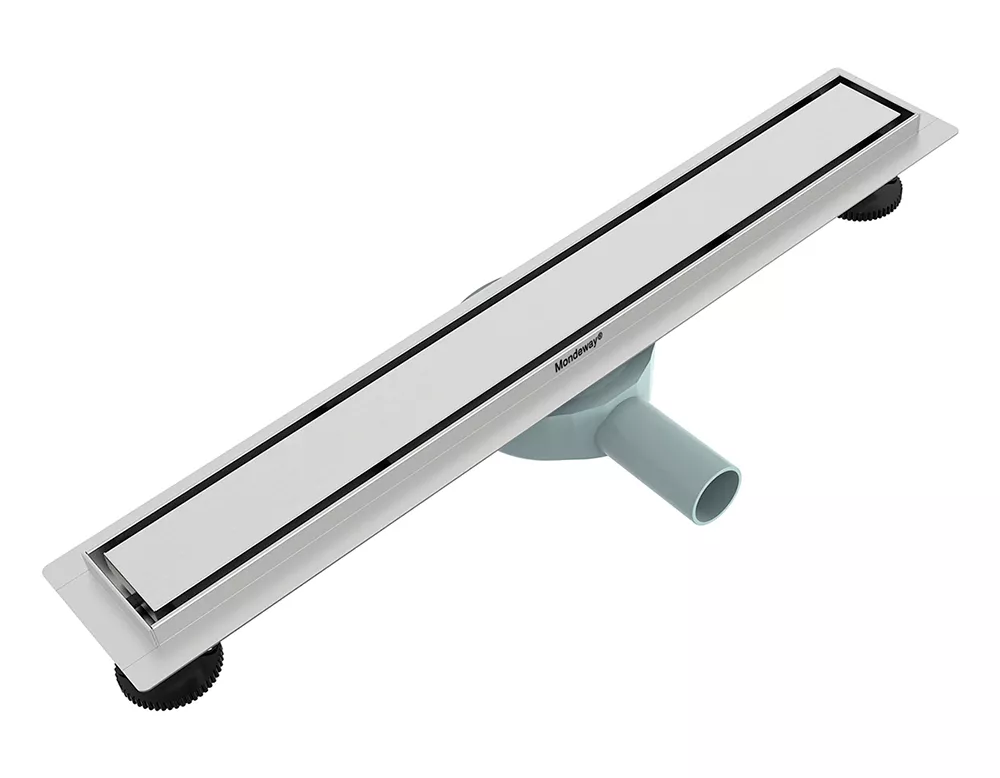
Reference Standard: Relevant material and performance testing standards, as applicable to the exact documented model and its intended installation.
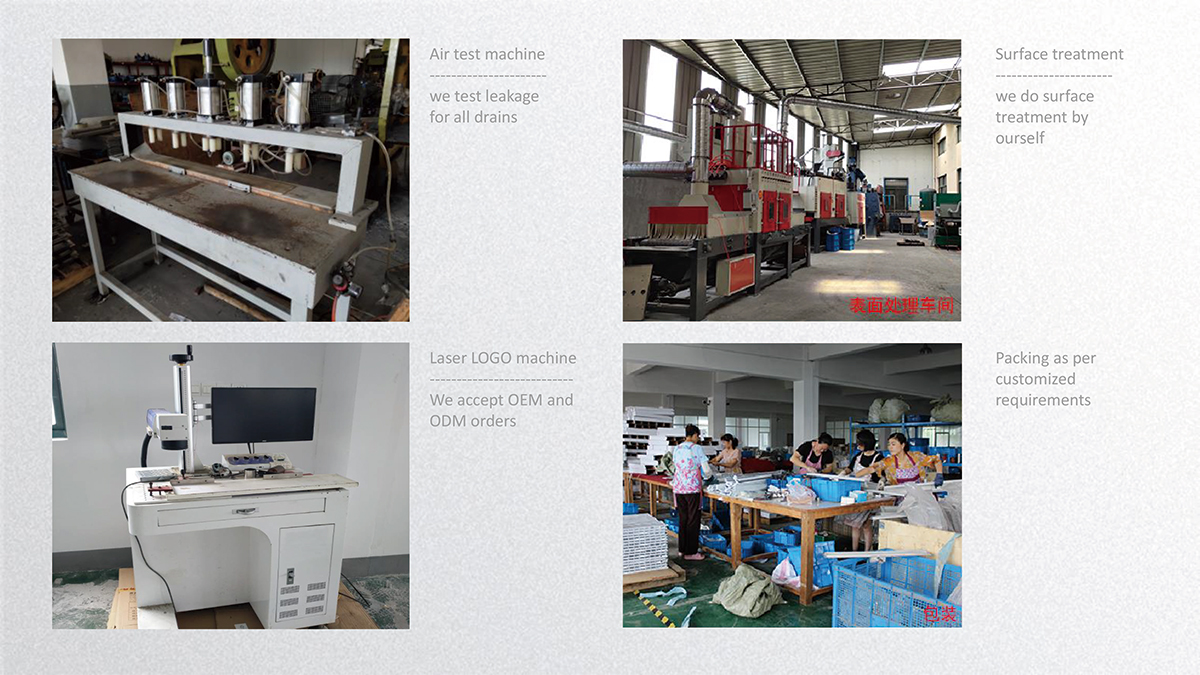
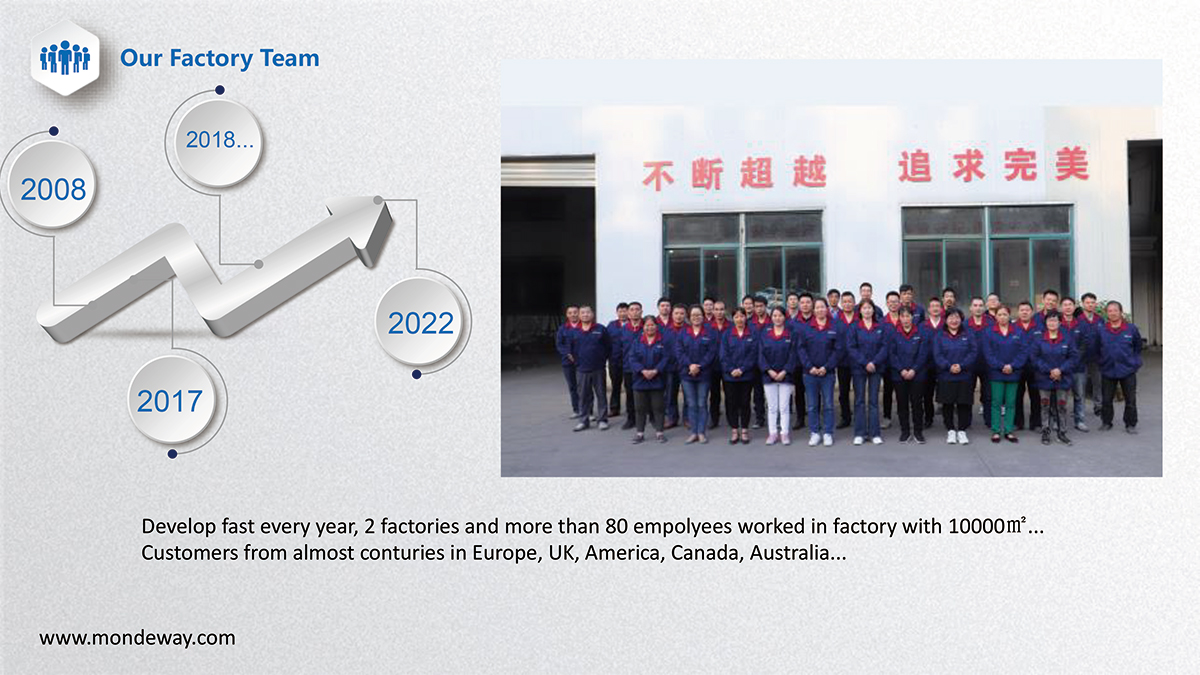
NINGBO MONDEWAY, located at No.88 Shanghuang Xueshiqiao Villiage, Dayin Town, Yuyao, Ningbo city, publishes information for buyers working with shower-accessory terminology and sourcing questions. The company’s verified business context includes R&D and manufacturing of shower accessories such as floor drains, stainless steel shower niches, shower basins, shower chairs, shower handles, and shower tray boards. A search for a drain base flange, however, should be treated as a terminology and comparison task rather than proof that a particular product, construction, material, dimension, or connection method is being described.
Drain Base Flange Means a Search Scope, Not a Specification
The phrase drain base flange can look precise because both “base” and “flange” sound like identifiable component descriptions. In a purchasing or project discussion, however, the wording alone does not establish exactly which physical parts are included.
A buyer may be trying to identify the portion of a drain that interfaces with a shower base, a flange associated with a drainage connection, a larger base assembly containing a flange, or simply an item that a marketplace or supplier has indexed under that search phrase. Those possibilities should not be collapsed into one assumed product definition.
This distinction matters because search terminology operates differently from engineering documentation. A keyword helps people find possible products. A drawing, specification sheet, component list, or installation document defines what an exact model actually is.
Before comparing options, identify the intended comparison boundary. Ask whether the requirement concerns:
- A single flange-like component.
- A drain body or base.
- A drain-and-flange combination.
- A connection interface within a shower drainage assembly.
- A complete package containing several components.
The answer changes what information is necessary. Comparing the price of one component against the price of a multi-part assembly, for example, produces a misleading purchasing comparison even if both listings contain the same keyword.
The same principle applies to material descriptions. A search result containing a material word does not automatically establish the material of every component in the package. Material scope must be tied to the exact part being described.
For buyers reviewing general shower-accessory information, the NINGBO MONDEWAY company and product context can provide broader background. That company context should remain separate from any assumption that the company manufactures or supplies a drain base flange unless exact product evidence confirms that relationship.
Compare Similar Drain Search Terms Without Treating Them as Interchangeable
Several keyword combinations can appear close enough to encourage a quick comparison. The safer approach is to treat each phrase as a search clue and then determine what the source actually means.
| Search wording | What the wording may emphasize | What must be confirmed | What should not be assumed |
|---|---|---|---|
| drain base flange | A base, flange, or interface associated with a drain | Component boundaries, connection arrangement, dimensions, material | That it describes a standardized complete assembly |
| drain shower base | A drain associated with a shower-base application or assembly | Whether the listing describes the drain, shower base interface, or broader package | That it is identical to a flange-only component |
| ABS base drain | A drain description containing an ABS material reference | Which component is ABS, complete material breakdown, construction scope | That every included part is ABS |
| shower flange drain | A shower drain description emphasizing flange terminology | Flange function, drain-body scope, installation interface, package contents | That it matches every item called a drain base flange |
The table is deliberately terminology-focused. It does not assign technical specifications to any of these phrases because a keyword cannot safely provide that information.
Consider ABS base drain. The material word makes this phrase appear more specific than the others, but the buyer still needs to know whether ABS describes the drain body, a base component, a connector, another included part, or the seller’s broader product description. Without component-level documentation, the phrase is not enough for a material comparison.
Likewise, drain shower base could be interpreted differently depending on the source. The important question is not which interpretation sounds most natural. The important question is what the exact product documentation says is included and how it connects to the surrounding shower system.

Signs You May Be Comparing Different Product Scopes
- Two sources use similar drain terminology but describe different numbers or types of included components.
- A material such as ABS appears in the product name without a component-by-component material description.
- One option provides a dimensional or connection drawing while another provides only a marketing name or search label.
These warning signs do not prove that either option is unsuitable. They indicate that the comparison needs another documentation step before price, compatibility, or sourcing decisions are made.
Separate Search Terminology From Exact-Model Product Information
Once the terminology has been normalized, the next task is to move from search-level information to model-level information.
A reliable like-for-like comparison normally depends on categories of information that cannot be inferred from the keyword alone. Because no exact drain base flange model specifications are verified here, these should be treated as documentation categories buyers can request rather than as specifications of a particular product.
Confirm the component and package scope
Start by requesting a clear statement of what is included. A quotation may concern one component, a partial drain assembly, a drain body with associated parts, or a more complete installation package.
Ask for a component list when possible. If two quotations cover different package scopes, their headline prices should not be compared directly.
This is particularly important when a listing uses words such as base, flange, drain, or assembly inconsistently. The product name is not a substitute for a bill of materials or package description.
Request material information by component
Material information becomes meaningful when it is connected to a specific part.
Instead of asking only, “What material is this drain?”, request the material of each important component included in the quotation. If a listing contains “ABS,” confirm the precise part to which that description applies.
Finish descriptions should also be separated from base-material descriptions. A finish, coating, surface appearance, and structural material are different attributes and should not be merged simply because they appear together in a product title.
Compare geometry and interfaces
Two options that appear similar in photographs may still differ in geometry or installation interface.
Useful exact-model documentation can include overall dimensions, interface dimensions, outlet configuration, flange geometry, drawings, installation orientation, package relationships, and other information needed by the project team.
The correct set of dimensional checks depends on the actual drainage system and installation. Therefore, dimensions should be obtained from the exact model documentation rather than estimated from an image or assumed from a generic category name.
Review installation and waterproofing information
A flange-related drain term can create an immediate assumption about how the component interfaces with a waterproofing system or shower base. That assumption should be verified.
Request installation instructions or technical drawings that explain how the actual model is intended to be integrated. The project designer, installer, or other responsible professional can then review those documents against the site conditions and applicable project requirements.
No general keyword can establish compatibility with a specific waterproofing approach, substrate, shower base, or drainage configuration.
Ask what standards or test information applies
Where material, performance, regulatory, or project requirements make testing relevant, ask the source which standards, reports, declarations, or test records apply to the exact product being quoted.
Do not transfer a standard or performance claim from one drain model to another merely because the products share a similar search phrase. Evidence should stay attached to the product for which it was issued.
Build a Comparison Brief Before Requesting Product Details
A well-structured comparison brief prevents terminology from controlling the purchasing decision. Instead of sending several suppliers only the phrase “drain base flange,” create a short record that defines what you are actually trying to compare.
Record the wording used by each source
Copy the exact product wording from each quotation, catalog entry, or listing. Do not normalize everything into one name too early.
Keeping the original wording visible helps identify where terminology differences may reflect real scope differences. A seller calling an item an ABS base drain may be describing something differently from another source using shower flange drain, even if the photographs look related.
Make every source define the offered scope
Ask each source to identify the components included in its offer. This converts a vague product-name comparison into a component-level comparison.
If one source offers a complete assembly and another offers only one part, the difference becomes visible before price negotiations begin.
Mark documented facts separately from unanswered questions
Create two columns in your purchasing notes: documented and unconfirmed.
A product title belongs in the documented column only as the source’s chosen description. It does not automatically confirm material, dimensions, connection method, installation method, waterproofing compatibility, performance, certification, or package scope.
Each of those details should remain unconfirmed until supporting information is available.
Compare price only after the scope is aligned
Price becomes meaningful after the offered items are comparable.
A lower quotation can reflect a different component count, different construction, different documentation scope, or another difference that is hidden behind similar product terminology. Normalizing the scope first reduces the risk of selecting an option based on a comparison that was never truly like-for-like.
Items to Confirm Before Comparing Quotations
- Record the exact product name used by every source.
- Define whether the offer covers a flange, drain body, base, connector, assembly, or multi-part package.
- Request a list of included components.
- Confirm the material of each relevant component instead of relying on the keyword.
- Request exact-model dimensional drawings or other geometry documentation where required.
- Confirm outlet and connection-interface information relevant to the project.
- Request installation and waterproofing information for the actual model.
- Identify which statements are supported by documentation and which remain unconfirmed.
- Ask which standards or test documents apply when those records are important to the project.
- Compare commercial terms only after technical and package scope have been aligned.
This method is useful because it does not require buyers to decide that one search phrase is the universally correct term. It simply requires every offered product to be defined clearly enough for a fair comparison.
The central decision rule is straightforward: keyword similarity is not product equivalence. “Drain base flange,” “drain shower base,” “ABS base drain,” and “shower flange drain” can all be useful discovery terms, but the final purchasing decision should rest on exact-model documentation, defined component scope, and project-specific compatibility review.
NINGBO MONDEWAY’s verified company context covers R&D and manufacturing of shower accessories including floor drains, stainless steel shower niches, shower basins, shower chairs, shower handles, and shower tray boards. Buyers can contact the company regarding its verified shower-accessory portfolio or general project requirements. Any availability, specification, or supply relationship involving a drain base flange should be confirmed separately through exact product information rather than inferred from this article.