
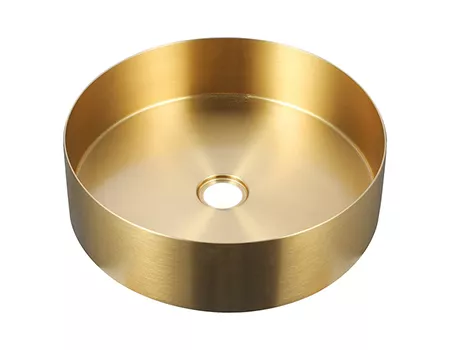
Material Forensics: Brass vs. Stainless Steel in Modern Drainage
Choosing between brass and stainless steel for sub-floor drainage isn't an aesthetic decision; it's a 15-year insurance policy against structural water damage.
Imagine a high-salinity coastal hotel renovation where standard 304 stainless steel drains showed tea-staining within 6 months. The housekeeping staff thought it was grime, but it was actually the beginning of pitting corrosion. By year two, the seals were compromised. Replacing a single sub-floor drain in a tiled wetroom costs roughly 12 times the initial component price.
Renovation project managers and B2B procurement specialists often face a technical crossroads when specifying sanitary hardware. The primary uncertainty lies in long-term structural integrity. In a high-humidity bathroom environment, the floor drain is the most abused component. It endures constant moisture, varying pH levels from cleaning chemicals, and thermal shock from hot water cycles.
The "brass vs stainless steel" debate is often clouded by marketing fluff. Retailers might claim stainless steel is "rust-proof" or that brass is "premium," yet these terms lack engineering rigour. As a senior sanitary ware engineer, I've observed that the true failure points are usually invisible during the first 24 months of service.
One of the most persistent potential objections I hear is that stainless steel is objectively superior because it's a "modern" material. This is a half-truth. While stainless steel offers high tensile strength, it relies entirely on a chromium-rich passive oxide layer. If this layer is scratched or starved of oxygen—common in sub-floor drainage trapped under stagnant water—it can undergo pitting.
Conversely, brass is a copper-zinc alloy. Its Achilles' heel is a process called dezincification, colloquially known as "brass rot." If you source low-grade brass for a project, the zinc literally leaches out of the metal, leaving behind a weak, porous copper sponge that will eventually weep water into your sub-floor. This is why understanding material grades—not just names—is the difference between a successful installation and a lawsuit.
Before we dissect the metallurgical differences, let's address the elephant in the room: the "Stainless Steel 304" tag. In my 15 years sourcing sanitary hardware, I've seen 'stainless steel' drains that were actually 201-grade. The latter contains higher manganese and lower nickel, making it highly susceptible to corrosion in wetrooms. Don't look at the sticker price; look at the model number suffix. If it ends in 'X' or lacks a clear SUS304/316 stamp, it's often a holiday derivative model with compromised alloy ratios.
Are you currently specifying for one of these high-risk zones?
- Coastal or high-salinity environment
- Commercial facilities using bleach-heavy cleaning agents
- Recessed "invisible" drains where oxygen flow is restricted
Note: If you checked any of the above, your choice between DZR brass and 316-grade steel becomes mission-critical.
For those managing bathroom accessories procurement, the decision usually boils down to two factors: the cost of the metal and the cost of the failure. To understand which is right for your project, we need to dive into the molecular level of how these metals interact with common tap water.
In my 15 years on the shop floor, I’ve seen procurement teams make the same expensive mistake: they buy based on how a drain looks in the box rather than how it behaves after 500 hot showers. To understand the difference between brass and stainless steel, we have to talk about what happens when metal meets chemicals.
The Invisible Threat: Dezincification and Pitting
Brass is essentially an alloy of copper and zinc. The problem? Zinc is a "restless" metal. In certain water conditions—especially if your bathroom uses high-chlorine water or acidic cleaners—the zinc literally decides to leave the alloy. This is dezincification. When the zinc vanishes, your solid brass drain becomes a brittle, porous copper "skeleton." It looks fine on the outside, but it’s essentially a leaking sponge.
Stainless steel faces a different enemy. It relies on a "passive layer"—a microscopic shield of chromium oxide that heals itself when scratched. But this shield needs oxygen to survive. In a floor drain, where hair, soap scum, and stagnant water create an oxygen-deprived muck, the shield fails. This leads to pitting corrosion. You'll see tiny black dots that eventually tunnel straight through the metal. If you're buying for a coastal property, the salt in the air acts as an accelerant for this process.
Deep Dive: The "Hidden Spec Dilution" Trap
This is where the "Mom Test" for smart shopping comes in. Manufacturers know you want "Stainless Steel," so they give it to you—technically. But there is a massive gap between SUS304 and SUS316.
304-grade is the standard, but it’s vulnerable to chlorides (salt and heavy cleaners). 316-grade contains Molybdenum, which is like body armour for the metal. If you are sourcing for a B2B project like a hotel or a high-end gym, saving 15% by choosing 304 over 316 is a false economy. The labour cost of ripping out a leaking 304 drain from a waterproofed floor is ten times the cost of the component itself.
High-quality brass should be "DZR" (Dezincification Resistant). In the industry, we look for C36000 or H59/H62 grades with specific inhibitors. If a supplier can't tell you the specific alloy code, they are likely selling "yellow metal" scrap-melt—which will fail your project within five years.
The Professional Specification Audit
Before you approve a purchase order, use this field-tested checklist to identify "hidden減配" (spec dilution). These are the corners typically cut to lower the sticker price.
Buyer’s Avoidance Checklist (B2B/Contractor Edition)
According to metallurgical guidelines from ASTM International (Standards for non-ferrous alloys), the performance of these materials is highly dependent on the local environment. While stainless steel has a higher tensile strength, brass is often preferred in heavy-duty commercial plumbing because it is naturally antimicrobial and more resistant to "biofilm" buildup (that nasty slime that clogs drains).
When we calculate the Total Cost of Ownership (TCO), we look at the Primary Data Anchor: Brass (H59) typically holds a 20-year structural life in residential settings, whereas 304-grade stainless can show surface failure in as little as 3 years if the "passive layer" is compromised by acidic grout cleaners used during the initial installation.
In the reality of B2B procurement for bathroom accessories, the choice between brass and stainless steel often comes down to the specific installation context. If you are specifying for a high-traffic commercial wetroom, the mechanical properties of the material are your primary safeguard against maintenance-related downtime.
The Unique Angle: Maintenance Sensitivity
One factor often overlooked by retail buyers is how these materials react to maintenance abuse. In commercial settings, cleaning staff frequently use aggressive descalers or bleach-based solutions. Stainless steel (specifically 304-grade) is notoriously sensitive to chlorine-based cleaners; prolonged exposure can strip the passive layer, leading to rapid "tea-staining."
High-quality brass, particularly when finished with Physical Vapour Deposition (PVD), offers a different kind of resilience. The PVD coating isn't just a colour; it’s a ceramic-like layer that bonds at a molecular level, providing a surface hardness that exceeds the base metal. This makes it significantly more resistant to the abrasive scrubbing typical of industrial janitorial protocols.
Addressing the Potential Objection: "Is Steel Cheaper?"
A common misconception is that stainless steel is always the budget-friendly option. While raw 304 steel is often cheaper than high-grade H59 brass, the Resolution Approach requires looking at the complexity of the drain design.
Brass is cast and then precision-machined. This allows for intricate internal geometries—like deep water seals and multi-stage hair catchers—that are incredibly difficult to replicate in pressed or welded stainless steel without introducing weak points (welding seams are often where corrosion begins). If your project requires high-flow rates and advanced odour-trapping technology, a machined brass body often provides better performance-per-dollar over its 20-year lifecycle.
From a Field Experience perspective, I recommend that procurement officers demand a material test report (MTR). This document confirms the actual chemical composition of the batch you are buying. If you are told the product is "Stainless Steel" without a grade specification, or "Brass" without a DZR rating, you are effectively buying a lottery ticket where the prize is a future water damage claim.
In the final analysis, for luxury residential or high-end hospitality, the weight and finish quality of brass usually win. For industrial or outdoor municipal use, the sheer mechanical toughness of 316-grade stainless steel is unbeatable.
Selecting the right material for sub-floor drainage is a balancing act between initial procurement budget and long-term risk mitigation. As we have analysed, the "cheaper" option often hides significant secondary costs related to waterproofing failure and structural repair.
Summary Comparison: Brass vs. Stainless Steel
To simplify your final selection, I have aggregated the metallurgical data into a practical performance matrix. This scorecard reflects real-world longevity based on the Primary Data Anchor of material degradation in humid wetroom environments.
| Feature | DZR Brass (H59/H62) | Stainless Steel (304) | Stainless Steel (316) |
|---|---|---|---|
| Corrosion Resistance | High (Resistant to "Brass Rot") | Medium (Prone to Pitting) | Superior (Industrial Grade) |
| Thread Integrity | Excellent (Machined precision) | Good (Standard) | Good (High durability) |
| Aesthetic Versatility | Infinite (PVD, Chrome, Gold) | Limited (Brushed/Polished) | Limited (Brushed/Polished) |
| Best Use Case | High-end Residential / Hotels | Budget Projects / Inland | Coastal / Medical / Labs |
Final Field Experience Tip
In my decade-and-a-half overseeing drainage specifications, I have found that installation error is the only thing faster at killing a drain than poor metallurgy. Regardless of the material you choose, ensure your contractor does not use muriatic acid to clean the tiles post-installation. This acid is the "silver bullet" that destroys the passive layer of stainless steel and accelerates dezincification in brass. Always insist on pH-neutral cleaning for the first 72 hours.
Next Steps for Procurement
1. Identify if your project is within 5km of a coastline (Requires DZR Brass or 316 Steel).
2. Request a batch-specific Material Test Report (MTR) from your supplier.
3. Verify the weight of a sample unit against the manufacturer's spec sheet to detect "hidden减配."
For a comprehensive range of project-ready solutions that meet these industrial standards, explore the latest bathroom accessories catalogues, ensuring your choice is backed by verifiable material certification.