
Why Do Black Matte Shower Faucets Degrade and Stiff-Turn Over Time?
Reference Standard: ASME A112.18.1/CSA B125.1 Plumbing Supply Fittings & ASTM B117 Standard Practice for Operating Salt Spray (Fog) Apparatus
Short Answer
Calcium Carbonate Nucleation: Crystal Interlocking Mechanics on High-Roughness Matte Topologies
When evaluating the aesthetic degradation of a black matte shower faucet set, consumer complaints usually revolve around “hard-to-clean water spots.” However, a rigorous materials science analysis reveals a much more aggressive microscopic mechanism at play. To achieve the signature “matte” visual effect—which diffuses light rather than reflecting it—the manufacturer must intentionally engineer the fixture’s surface with microscopic peaks and valleys. This specific surface topology drastically increases the available surface area and creates thousands of microscopic capillary traps.
When heated shower water, heavily laden with dissolved calcium and magnesium ions, splashes onto this high-roughness topology, the droplets settle deep into the microscopic valleys. As the droplet evaporates, the concentration of dissolved minerals reaches supersaturation. Instead of forming loose surface dust, these minerals undergo a process known as Heterogeneous Nucleation. The calcium carbonate (CaCO3) crystals use the microscopic peaks and valleys of the matte finish as anchoring sites. As the crystals grow, they physically expand into the pores of the electrophoretic or painted coating, creating a profound Mechanical Interlocking matrix.
To accurately plot the failure mechanics of this surface phenomenon, we utilize a highly accelerated life testing (HALT) model focusing on hard water evaporation dynamics:
* The Initial Deposition Phase (0-3 Months): Micro-droplets of hard water evaporate, leaving behind amorphous calcium carbonate. The matte finish begins to look slightly cloudy or chalky. At this stage, the mineral deposits are primarily held by weak Van der Waals forces and can still be dissolved by mild acidic solutions.
* The Nucleation and Interlocking Phase (3-9 Months): Continuous thermal cycling bakes the mineral deposits. The amorphous calcium transitions into a highly stable calcite crystalline structure. These calcite crystals root themselves deeply into the topological valleys of the matte coating. The mechanical interlock is now stronger than the cohesive strength of the surface clear-coat.
* The Terminal Substrate Failure Phase (9+ Months): The user attempts to forcefully scrub the white scaling using abrasive sponges. Because the calcite crystals are mechanically locked into the coating, the aggressive scrubbing physically shears the crystals away—taking chunks of the matte black coating with them. The underlying raw brass is exposed to the oxygen-rich bathroom atmosphere, instantly initiating galvanic oxidation.
This localized mechanical failure initiates a severe secondary cross-system hazard. The exposed brass substrate becomes an anodic site. When subsequent showers introduce highly conductive, soapy water across the compromised surface, an electrochemical cell is formed between the exposed brass and the remaining carbon-rich black coating. This localized galvanic corrosion accelerates the degradation laterally, causing the coating to blister and flake off in large sheets far beyond the original hard water stain.
KEY TAKEAWAYS
- Irregular Chalky Scaling: If white, crusty deposits refuse to clear after standard cleaning and appear deeply embedded in the finish, heterogeneous calcite nucleation is actively occurring.
- Micro-Abrasive Marring: The appearance of tiny, shiny silver streaks within the matte black finish indicates that mechanical scrubbing has sheared off the protective polymer matrix.
- Edge Blistering: Small, raised bubbles forming near the joints or escutcheon plates signal that moisture has bypassed the topcoat and cathodic delamination is underway.
Surfactant-Induced Micro-Delamination: Chemical Attack on Electrophoretic/PVD Black Coatings
Moving beyond physical mineral scaling, the chemical environment of a modern shower enclosure poses a severe threat to the integrity of the finish. The daily application of heavy body washes, shampoos, and specialized bathroom cleaners introduces a barrage of aggressive anionic surfactants and extreme pH chemicals.
When these high-activity chemical molecules land on the fixture, they exploit any microscopic pinholes in the outer protective layer. These surfactants dramatically lower the surface tension of the water, allowing the chemical mixture to penetrate deep into the interface between the brass body and the outer coating. For standard electrophoretic depositions (EPD) or lower-grade painted finishes, these chemicals attack the covalent bonds holding the coating to the metal. This reaction initiates Cathodic Delamination, where the generation of hydroxide ions at the brass interface actively pushes the coating away from the substrate, resulting in visible peeling, flaking, and total aesthetic failure.
| Chemical Exposure Agent (at 40°C) | pH Level | Electrophoretic Black Coating (Pull-off Strength / Blistering) | Premium PVD Black Coating (Pull-off Strength / Blistering) |
|---|---|---|---|
| Control (Deionized Water) | pH 7.0 | 12.5 MPa / No blistering | 18.0 MPa / No blistering |
| Citric Acid Descaler | pH 3.0 | 4.2 MPa / Blisters at 120 Hours | 17.5 MPa / No blistering |
| Alkaline Soap / Surfactant | pH 10.0 | 2.8 MPa / Severe peeling at 72 Hours | 16.8 MPa / Micro-fading at 500 Hours |
Tribological Shear in Alumina Ceramic Cartridges: Hydrodynamic Lubrication Collapse Under Thermal Gradients
While exterior coating failures cause aesthetic ruin, the functional heart of any high-end shower system is the internal mixing valve. To control water flow and temperature, modern valves rely on two highly polished, 99% pure Alumina (Al2O3) ceramic discs sliding against one another. In theory, these discs are nearly diamond-hard and should last a lifetime. However, the extreme operating environment introduces a critical Tribological (friction and wear) vulnerability.
During a typical shower, the hot water supply can reach 65°C, while the cold water supply may rest at 15°C. When a user adjusts the handle, these extreme temperature differentials hit the ceramic discs almost instantaneously. Because the brass housing and the alumina ceramic have mismatched Coefficients of Thermal Expansion (CTE), the sudden thermal shock causes the internal geometries to distort at a microscopic level. This distortion physically squeezes the factory-applied, food-grade silicone grease out from between the ceramic sliding planes. The result is a total collapse of the Hydrodynamic Lubrication layer.

Without this critical microscopic layer of grease, the incredibly hard ceramic surfaces begin to grind directly against one another in a state of boundary dry friction. This dry friction generates intense localized heat and leads to Micro-Abrasive Wear. The resulting ceramic dust acts as a secondary abrasive, severely scoring the polished surfaces. Within months, the handle becomes incredibly stiff to turn, and the scored discs lose their watertight seal, causing the showerhead to drip continuously.
To completely eradicate these aesthetic and mechanical failures, elite sanitaryware manufacturers deploy advanced surface engineering and metallurgical defense protocols.
Solution 1: Physical Vapor Deposition (PVD) Titanium-Carbon Matrix
* Execution Protocol: Rather than using traditional liquid paint or powder coating, the raw brass components are placed in a high-vacuum chamber. A solid titanium target is vaporized using a high-energy electric arc. The titanium vapor reacts with reactive carbon-based gases to form a Titanium Carbonitride (TiCN) matrix, which is then electromagnetically accelerated into the brass substrate.
* Material Expected Evolution: The resulting PVD black finish is not a “coating” that sits on top of the metal; it is an atomic-level alloy bonded directly into the brass lattice. This creates a surface hardness exceeding 2500 HV (Vickers), rendering it completely immune to cathodic delamination from surfactants. The structure is non-porous, effectively denying calcium carbonate any microscopic valleys in which to anchor, neutralizing hard water scaling.
* Hidden Costs & Side Effects Avoidance: PVD processing is extremely sensitive to substrate contamination. If a single fingerprint remains on the brass prior to vacuum sealing, the titanium plasma will fail to bond, creating a catastrophic localized peeling event. The factory must implement robotic, multi-stage ultrasonic cleaning and plasma etching before the PVD cycle begins.
Solution 2: Diamond-Like Carbon (DLC) Coating on Ceramic Discs
* Execution Protocol: To prevent the tribological shear of the internal valve, the 99% alumina ceramic discs are treated with a Diamond-Like Carbon (DLC) physical vapor deposition.
* Material Expected Evolution: The DLC layer provides an incredibly low coefficient of friction (often below 0.1) and extreme surface hardness. Even if the thermal gradient squeezes the silicone lubricant out of the interface, the DLC coating acts as a permanent solid-state dry lubricant. The ceramic discs glide effortlessly against each other, ensuring the handle remains smooth to operate and eliminating micro-abrasive scoring entirely.
* Hidden Costs & Side Effects Avoidance: DLC application requires exact temperature control during deposition to prevent the ceramic from cracking under thermal stress. The vacuum chamber must be slowly ramped up and cooled down over a 12-hour cycle, significantly reducing factory production throughput.
Solution 3: Dezincification-Resistant (DZR) Brass Forging
* Execution Protocol: Standard brass (which contains high levels of zinc) is replaced with DZR (Dezincification-Resistant) brass alloys containing specific trace amounts of arsenic. The faucet bodies are drop-forged under massive hydraulic pressure rather than sand-cast.
* Material Expected Evolution: The drop-forging process aligns the grain structure of the metal, eliminating microscopic internal air pockets. The DZR alloy completely stops the chemical leaching of zinc when exposed to aggressive, low-pH water conditions, preventing the brass body from turning into a fragile, porous sponge over decades of use.
* Hidden Costs & Side Effects Avoidance: Forging complex internal waterways requires multi-part steel molds that degrade rapidly under the extreme pressure. The manufacturer must frequently replace the tooling dies to ensure the internal fluid dynamics remain smooth and free of cavitation-inducing rough edges.
Solution 4: Automated Pneumatic Leak and Torque Testing
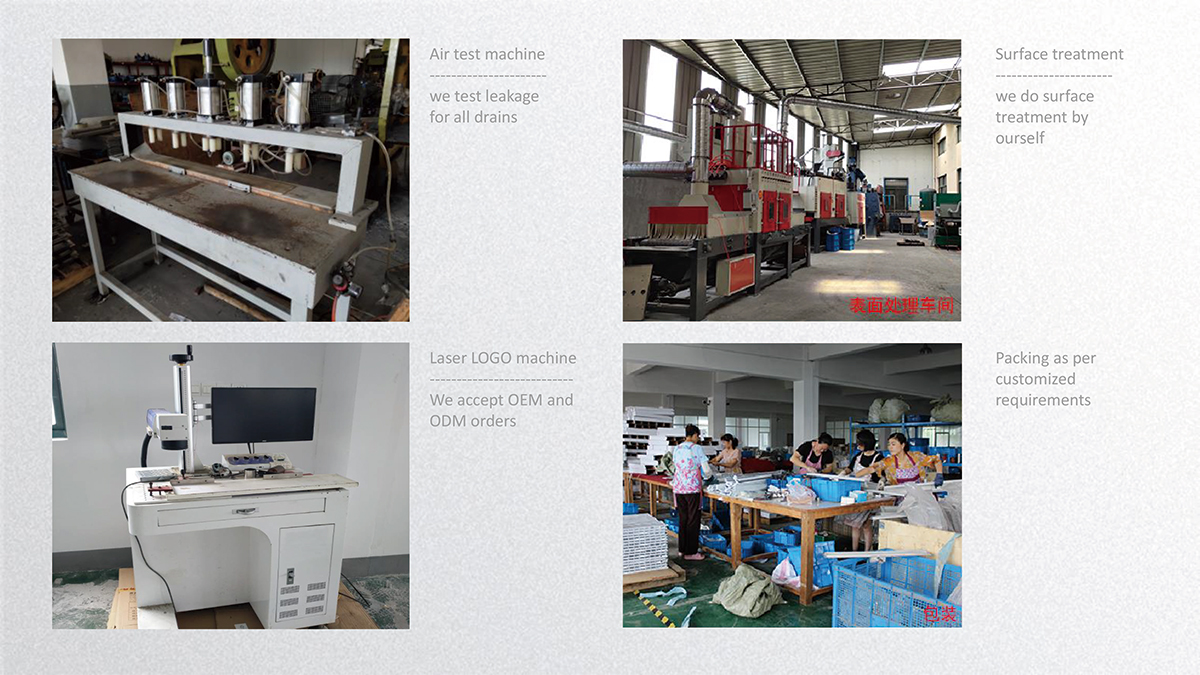
* Execution Protocol: As part of the strict QC process, 100% of the assembled shower valves are clamped into an automated testing rig. The valves are subjected to a 1.6 MPa (230 PSI) pneumatic air-decay test while robotic arms actuate the handle to measure operational torque.
* Material Expected Evolution: The pneumatic test ensures that the internal ceramic seals and EPDM O-rings are seated flawlessly. Any microscopic drop in air pressure flags a leak long before water is introduced. The robotic torque measurement guarantees that the hydrodynamic lubrication within the cartridge is perfectly balanced, ensuring optimal user ergonomics.
* Hidden Costs & Side Effects Avoidance: Temperature fluctuations on the factory floor can cause the compressed air to expand or contract, yielding false positive or false negative pressure decay readings. The testing environment must be strictly climate-controlled to maintain absolute metrological accuracy.
PRO-TIP / CHECKLIST
- Verify the finish technology: Ensure the product specifications explicitly state “PVD Finish” rather than “Electroplated” or “Powder Coated” for true chemical resistance.
- Check the cartridge origin: Demand a high-quality ceramic cartridge from reputable manufacturers (like Sedal or Flühs) which utilize superior alumina compounding to resist thermal shock.
- Weigh the fixture: A high-quality drop-forged DZR brass valve will be significantly heavier than a cheap zinc-alloy or sand-cast brass equivalent.
- Clean with caution: Never use harsh abrasive pads or heavy acidic descalers on matte finishes. Use a 50/50 mixture of distilled water and white vinegar, applying it gently with a microfiber cloth.
- Inspect the silicone nozzles: The showerhead should feature medical-grade liquid silicone rubber (LSR) nozzles that can be easily rubbed by hand to dislodge loose calcium before it crystallizes.
- Verify the rough-in valve box: Ensure the system includes a solid protective installation box to shield the brass body from alkaline mortar hydrolysis during wall installation.
Frequently Asked Questions (FAQ)
how to fix the shower drain
Fixing a clogged or leaking shower drain usually begins with removing the decorative grate. If the issue is a slow drain, physically extract blockages using a drain snake. If the drain is leaking into the subfloor, the rubber compression gasket underneath the drain flange has likely suffered from radial thermal shear stress. You must access the drain body from below or carefully back out the compression nut from above to replace the failed neoprene gasket.
how to dissolve hair in a shower drain
Hair is composed of keratin, a tightly cross-linked protein highly resistant to standard household acids. To dissolve it, you must use a high-pH alkaline drain cleaner containing sodium hydroxide (lye) or sodium hypochlorite. These aggressive bases break the disulfide bonds in the keratin matrix, turning the solid hair clump into a water-soluble sludge that can be flushed away. Ensure the bathroom is well-ventilated during this chemical process.
how high should shower niches be
For optimal ergonomic access, a standard shower niche should be framed approximately 48 to 60 inches from the finished floor. This places shampoos and soaps comfortably at chest-to-eye level for the average adult. The niche must also be specifically engineered with a slight 1/16-inch outward slope on the bottom shelf to ensure rapid water shedding and prevent capillary stagnation beneath bottles.
what size is a shower drain pipe
Per modern plumbing codes, a dedicated shower stall must utilize a 2-inch diameter PVC or ABS drain pipe. Older homes may feature 1.5-inch pipes, which were previously acceptable for tub/shower combos but lack the necessary volumetric flow capacity (gallons per minute) to keep up with modern, high-output multi-jet shower systems, leading to rapid standing water accumulation.
how to seal shower drain
Sealing a traditional shower drain to a fiberglass or acrylic base requires 100% pure silicone sealant or plumber’s putty applied beneath the top flange before tightening the locking nut from below. For tiled concrete floors, the drain body must be chemically bonded to a waterproof membrane (like a CPE liner or liquid-applied membrane) utilizing specialized clamping rings and weep holes to channel away sub-screed moisture.
how to clear a slow shower drain
A slow drain is primarily caused by a keratin-lipid matrix (hair bound with sticky soap scum). Avoid plunging chemicals immediately. First, use a barbed plastic drain-weasel tool to manually extract the physical hair bridge. Follow up by pouring a gallon of near-boiling water mixed with degreasing dish soap down the line to melt and flush away the residual lipid binders coating the PVC pipe walls.