
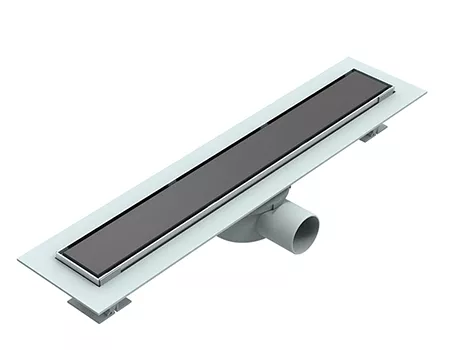
Bathroom Floor Drain Decision Layers
Reference Standard: Relevant drainage and bathroom performance references include CE EN1253-1, CUPC, Watermark, and ISO 9001 management as recorded in the supplied manufacturer data. For broader context, drainage products are commonly evaluated against building drainage requirements from organizations such as CEN standards bodies and plumbing certification systems such as IAPMO.
Short Answer
Before the Tile Is Cut: Bathroom Floor Drain Decisions That Shape the Jobsite Sequence
A drain is often treated as a small accessory, but the jobsite treats it as a fixed decision point. Once the tile layout, concrete recess, waterproofing membrane, and slope direction are prepared, the drain position becomes difficult to change without rework. This is why the bathroom floor drain belongs in the early coordination layer, not at the end of the bathroom purchasing list.
The supplied data states that Mondeway works with floor drains and shower drains for shower-room use, with OEM and ODM order capability. The customization process follows a practical sequence: concept, drawing, prototype, mould, trial production, and products. That sequence matters because a floor drain is not only a cover plate. It is a geometry-dependent part that must line up with tile cuts, waterproofing detail, outlet position, and finish expectations. When a buyer treats the product as a late-stage decorative purchase, the risk is not only aesthetic mismatch. The hidden risk is that the selected drain may not match the planned floor opening, channel direction, or project delivery schedule.
The factory-side delivery data adds another layer. The recorded delivery time is 15-30 days, and the listed production capacity is 30,000 sets per month. In a small retail order, that may look like a simple lead-time note. In a multi-room hotel, apartment, or wholesale replenishment cycle, it becomes part of the construction rhythm. Tile work cannot wait indefinitely for missing drain hardware, and a late model change can force the installer to adjust slope planning, cut size, or packaging allocation across floors.
An edge-case pressure model shows why early coordination matters. Imagine a concrete shower-room floor where slope has already been set toward a linear channel. If the final drain cover width, body depth, or outlet relationship changes after the tile grid is planned, the installer may compensate with uneven tile cuts or a local slope correction. Water may still reach the drain, but the user may see surface pooling near the edges because the drain decision arrived after the floor geometry was already locked. This is not proof of a bad drain by itself; it is a mismatch between product confirmation timing and jobsite sequence.
A cross-dimensional comparison helps separate two buying approaches:
| Decision Layer | Late Selection Approach | Pre-Tile Specification Approach | Practical Risk |
|---|---|---|---|
| Drain position | Chosen after tile design | Confirmed before cutting | Rework near shower slope |
| Model confirmation | Based on visible cover | Based on drawing and use area | Hidden geometry mismatch |
| Supply timing | Ordered when needed | Planned against 15-30 day delivery | Site delay |
| Batch control | Mixed finishes by room | Coordinated by order and packing | Visual inconsistency |
This first layer is not an installation tutorial. It is a purchasing and coordination layer. The main lesson is that a floor drain becomes a site constraint before it becomes a finished bathroom detail.
From Sheet to Slot: Drain Shape as a Manufacturing Layer
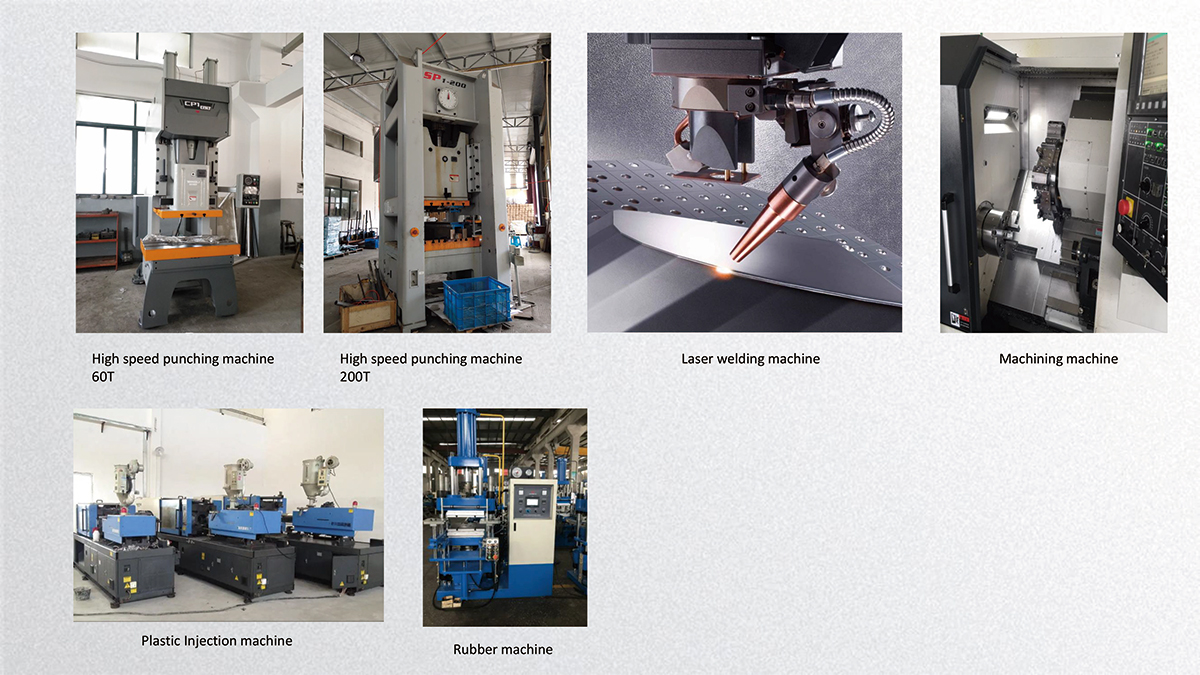
The second layer is the path from raw material to drain shape. The data records a drain production line using SS304, SS316, ABS, and PVC as raw material routes. It also lists equipment such as a 1500KW laser cutting machine, metal sheet cutting machine, automatic stamping machine, tube cutting machine, mould area machine, bending machines, welding machine, 60T and 200T high-speed punching machines, laser welding machine, machining machine, plastic injection machine, and rubber machine.
These details should not be read as a simple factory equipment list. They explain why drain shape is a manufacturing outcome. A metal floor drain begins as a controlled sheet or component route. The slot, grate, channel wall, edge line, and body form depend on cutting, punching, bending, welding, and correction. A plastic or PVC-related route depends more strongly on mould and injection logic. A stainless steel route depends more strongly on sheet transformation, thermal behavior, and post-weld cleaning.
At the material level, SS304 and SS316 are austenitic stainless steels. Their corrosion resistance comes from a passive chromium-rich oxide layer on the surface. During laser cutting, punching, or welding, the surface may experience heat, mechanical stress, oxide color, edge burrs, and local distortion. ABS and PVC behave differently. They are polymer routes where dimensional behavior is more tied to mould stability, shrinkage, and thermal sensitivity. This means a buyer should not ask only, “Is it stainless steel or plastic?” A better question is, “Which manufacturing path created this drain shape, and what process controls are used before packing?”
The extreme scenario model is a wet-room floor exposed to daily hot water, cooler rinse water, cleaning chemicals, and repeated stepping around the drain. Stainless steel does not behave like soft plastic under load, but a poorly formed stainless channel can still create problems if the body is distorted. Plastic routes may resist some corrosion mechanisms but can be more sensitive to deformation, installation stress, or chemical compatibility depending on the exact polymer and cleaner. Since the supplied data confirms SS304, SS316, ABS, and PVC routes but does not provide model-level thickness, outlet geometry, or chemical test records, the correct approach is cautious: use confirmed material route as the starting point, then request model drawings when installation fit is critical.
A useful comparison is stainless channel forming versus plastic mould forming:
| Route | Main Shape Driver | Typical Control Point | Risk If Unchecked |
|---|---|---|---|
| SS304 / SS316 sheet route | Cutting, punching, bending, welding | Edge line, weld path, flatness | Local distortion or rough edges |
| ABS / PVC route | Mould and injection process | Shrinkage, body fit, outlet repeatability | Dimensional drift or fit conflict |
| Mixed drain assembly | Metal cover and body interface | Contact fit and packing protection | Rattle, mismatch, or finish damage |
| Customized order | Drawing and prototype review | Approval before mould or trial run | Late correction cost |
In this layer, the floor drain is best read as a shaped component, not a catalog picture. The listed equipment tells the reader that slot geometry, body form, and cover consistency come from a chain of operations, and each operation can either reduce or transfer risk.
KEY TAKEAWAYS
- Visible cover alignment may look acceptable while the hidden drain body still carries forming stress or outlet mismatch.
- Burrs, rough edges, or uneven seating are early warning signs that the cutting, punching, or brushing route needs closer review.
- A model change after drawing or prototype approval can affect tile planning, packing, and batch consistency.
The Invisible Pass-Fail Layer Before Factory Release
A drain may look complete before it is actually ready for shipment. The invisible pass-fail layer is the set of checks that happen before the product leaves the factory. The supplied data gives several concrete points: an air test machine, the statement “we test leakage for all drains,” ISO 9001 management, and certification references including CE EN1253-1, CUPC, and Watermark. The data also states that surface treatment is handled in-house and that packing can follow export standard or customized requirements.
Leakage testing is especially important because a drain body can appear visually finished while still having a weak point at a welded seam, assembled connection, or formed corner. An air test does not replace every possible site test, and it should not be described as proof of model-specific discharge capacity unless that data is separately supplied. Its value is narrower and more practical: it is a factory-side method for checking whether the drain body shows leakage behavior before packing.
The material mechanism behind this layer is simple but strict. Welding introduces localized heat. Forming introduces mechanical stress. Cutting and punching produce edges. If a drain is shaped, welded, corrected, brushed, and treated, the final product needs a release check because the manufacturing path contains multiple points where a small defect can remain hidden. A bathroom environment increases the relevance of that check because the product will face water contact, soap residue, cleaning-agent exposure, humidity, and repeated temperature changes. None of these conditions need to be dramatic to matter. A small weakness can become visible only after repeated wet-dry cycling.
A cross-dimensional test case can be framed as three drains with identical visible finishes but different release logic. Drain A is visually inspected only. Drain B is visually inspected and packed. Drain C is visually inspected, checked for edge condition, reviewed for deformation, and air tested before packing. On the shelf, all three may look similar. In a project setting, Drain C offers a stronger specification trail because the buyer can connect the visible product with a pre-shipment verification step. This does not create a claim that every installation problem is prevented. It only reduces the chance that a factory-origin leakage issue is shipped unnoticed.
| Verification Layer | Confirmed in Data | What It Supports | What It Does Not Prove Alone |
|---|---|---|---|
| Air test for all drains | Yes | Leakage screening before shipment | Site waterproofing quality |
| ISO 9001 management | Yes | Process control framework | Model-specific performance number |
| CE EN1253-1 reference | Yes | Drainage product compliance context | Exact flow rate without test sheet |
| CUPC and Watermark | Yes | Market certification references | Universal code approval in every project |
| Packing control | Yes | Export or customized dispatch protection | Installation compatibility |
PRO-TIP / CHECKLIST
- Ask whether the selected floor drain model has a drawing before confirming tile layout.
- Confirm whether the order is stainless steel, ABS, PVC, or a mixed assembly route.
- Check whether the drain body has been air tested before packing.
- Review visible edges for burrs, uneven seating, or deformation.
- Match finish selection with project zone, not only showroom preference.
- Request certification references only in the exact form available, and avoid assuming unlisted performance data.
- Keep drain model confirmation before the waterproofing and tile cutting stage.
Finish Choices as a Specification Layer, Not Decoration
The fourth layer is finish language. The supplied data records brushed surface, sandblasting, matte silver, black powder coated, different colors, laser LOGO, customized LOGO acceptable, and customized packing acceptable. It also records a 2000 square meter surface treatment workshop that includes pickling, electrical polishing, and passivation. The manufacturer data explains that drains after welding can have dirty surface, oil, scratches, and yellow spots, and that pickling can clean the surface so it looks silver.
The important editorial move is not to make defects the main story. The stronger specification layer is that finish choices communicate project intent. A brushed stainless finish may suit a practical hotel or apartment specification because it can visually align with common stainless bathroom hardware. Matte silver can serve a neutral modern wet-room look. Black powder coated finishes may be selected when the bathroom design uses black faucets, black shower frames, or dark tile lines. Laser logo and customized packing support brand, channel, or private-label control.
At the material level, finish is not only color. Brushing modifies surface texture. Sandblasting changes visual diffusion and tactile feel. Pickling removes heat tint, oil, and contamination from stainless surfaces. Electrical polishing and passivation support a cleaner, more consistent stainless surface state. These statements must remain inside the supplied evidence boundary: the data confirms the processes, but it does not provide coating thickness, salt-spray hours, abrasion cycles, or chemical resistance values. A responsible article should not invent those numbers.
An edge extreme model is a high-use shower room where the user sees the drain every day under wet light reflection. A surface that looks acceptable in dry warehouse lighting may reveal texture inconsistency under angled bathroom lighting. A black finish may visually hide some shadows but show scratches differently. A brushed finish may align with stainless fixtures but can display directional texture variation if batches are not controlled. These are not arguments for one finish being universally better. They are arguments for treating finish as a specification signal that must match use zone, branding, and acceptance expectations.
A comparison test can be used during sample approval without overstating performance claims:
| Finish or Custom Layer | Specification Meaning | Practical Review Method | Data Boundary |
|---|---|---|---|
| Brushed surface | Directional stainless appearance | Check texture consistency under angled light | No abrasion rating supplied |
| Sandblasting | Diffused matte texture | Compare sample panels across batches | No roughness value supplied |
| Black powder coated | Dark design coordination | Inspect edge coverage and visible handling marks | No coating thickness supplied |
| Laser logo | Brand and batch identity | Confirm logo position and clarity | Not a functional drainage test |
| Customized packing | Channel and export handling | Review label, quantity, and protection method | Not proof of installation fit |
The finish layer is where engineering and merchandising meet. It affects how the product is recognized, accepted, photographed, and matched to the bathroom. It should not be treated as an afterthought, because the finish is often the only part of the drain the end user sees after installation.
Frequently Asked Questions (FAQ)
How to install a linear drain in concrete?
Confirm the drain drawing, body depth, outlet position, and slope direction before concrete work begins. The product data supports a concept-to-drawing-to-prototype workflow, but it does not provide model-level installation dimensions. For a real project, use the approved drawing and local waterproofing requirements.
How to install a no caulk shower drain?
A no-caulk drain depends on its gasket, outlet fit, and tightening method. The supplied data confirms floor and shower drain production, but not a specific no-caulk model. Do not assume compatibility. Match the drain to the pipe size, floor structure, and manufacturer installation sheet.
How to unclog a slow shower drain?
Remove visible debris first, then check the cover and channel for hair, soap residue, or trapped sediment. Avoid aggressive chemicals unless the material route is confirmed, especially when ABS, PVC, stainless steel, rubber, or mixed components are involved. Slow drainage may also come from slope or pipe issues, not the drain alone.