
Do linear drains require frequent cleaning in high-humidity shower environments?
In high-humidity residential and commercial showers, cleaning frequency is often the first concern raised when a linear drain is specified instead of a traditional point drain. Hair, soap residue, and fine debris behave differently in a long drainage channel, and that difference directly affects how often maintenance is required and how predictable it becomes over time.
Why cleaning frequency becomes a concern with linear shower drains
Linear shower drains are designed around an open-channel geometry that spans part or all of the shower width. This structure distributes water intake along a line rather than concentrating it at a single outlet. From a hydraulic standpoint, that geometry improves surface water capture, but it also changes how debris settles and moves.
In high-humidity shower environments with daily use, hair strands tend to travel laterally before reaching the outlet, while soap residue adheres to the channel floor and sidewalls. This combination explains why users often ask whether linear drains demand more frequent cleaning than point drains, even when flow capacity is sufficient.
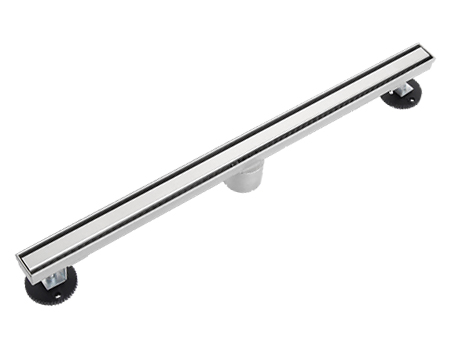
The key distinction is not whether cleaning is needed, but how maintenance effort is distributed. Instead of a compact hair trap clogging suddenly, linear drains typically show gradual buildup that is visible along the channel surface.
Typical clogging behavior: hair and soap residue accumulation
The most common failure mode observed in linear shower drains is partial blockage caused by hair entangling with soap residue. In high-humidity bathrooms, warm water accelerates soap film formation, which acts as a binder for fine debris.
Unlike point drains, where debris funnels quickly into a small basket, linear drains allow material to spread out. This often delays full blockage but increases the surface area where residue can adhere. As a result, cleaning intervals are influenced more by user habits and water chemistry than by drain length alone.
From a maintenance standpoint, this behavior can actually reduce surprise failures. Visible residue along the channel provides an early signal, allowing cleaning to be scheduled before flow rate is affected.
Does a longer drain always mean more frequent cleaning?
Drain length by itself is a poor predictor of cleaning frequency. What matters more is outlet configuration, channel depth, and surface finish. Shallow channels with smooth stainless steel surfaces tend to shed residue more easily than deeper channels with textured finishes.
In commercial wet-area installations such as hotels or gyms, longer linear drains often show similar maintenance cycles to shorter residential units because water flow remains continuous and debris is flushed regularly.
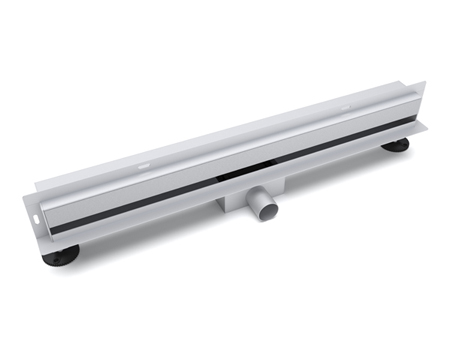
This is why many project managers find that maintenance planning for linear drains becomes more predictable rather than more frequent. The cleaning task shifts from emergency unclogging to routine surface removal.
Cleaning intervals in residential versus commercial installations
In residential bathrooms, especially those serving long-hair users, light surface cleaning every one to two weeks is typically sufficient to prevent buildup. Full channel access cleaning is usually needed far less often.
Commercial restrooms with heavy daily use often establish weekly visual inspection combined with scheduled cleaning as part of standard housekeeping. Because linear drains expose residue early, maintenance teams can integrate drain cleaning into existing routines without additional labor spikes.
Engineering advantage: why linear drains remain widely specified
Despite maintenance concerns, the engineering advantage of linear drains lies in their distributed intake and serviceable access. Open channels allow debris to be removed without specialized tools, reducing downtime compared with deep point drain baskets.
When specified correctly, linear drains balance flow capacity and clog resistance. The ability to visually assess condition is particularly valuable in high-humidity environments where hidden buildup can otherwise go unnoticed.
How flow rate and clog resistance are evaluated
From an engineering verification perspective, linear drains are commonly assessed through flow rate testing combined with clog resistance observation. These tests simulate expected shower discharge while introducing controlled debris loads to observe how quickly flow performance degrades.
Standards such as EN 1253 Floor Drains for Buildings provide reference criteria for drainage performance and water evacuation behavior in wet areas.
These evaluations help distinguish between designs that tolerate gradual residue accumulation and those that experience abrupt blockage.
Practical steps to reduce cleaning workload
Several practical factors significantly reduce cleaning frequency. Smooth channel surfaces limit soap adhesion, while adequate installation slope ensures consistent flushing. Hair strainers designed for linear channels can further delay residue buildup without restricting flow.
Equally important is aligning drain selection with usage intensity. In projects where maintenance access is limited, reviewing broader selection considerations in the full linear drain buyer guide helps avoid mismatches that lead to unnecessary cleaning.
When frequent cleaning signals a specification issue
If a linear drain requires constant attention, the cause is often upstream. Insufficient slope, incompatible outlet sizing, or surface finishes not suited for high-humidity conditions can all accelerate residue buildup.
In these cases, cleaning frequency is a symptom rather than the root problem. Addressing specification details typically reduces maintenance demands more effectively than increasing cleaning intervals.
Standards, validation, and long-term reliability
Reliable maintenance performance depends on how well the drain design aligns with real operating conditions. Flow rate tests and clog resistance observations are used to validate behavior under sustained shower discharge in humid environments.
In practice, products evaluated against recognized drainage standards and verified through internal testing show more stable performance over time, even as residue accumulates gradually.
This content is developed based on drainage performance analysis, standardized flow and clog resistance testing practices, and real-world application scenarios in high-humidity residential and commercial shower environments. Specifications and evaluation methods reflect publicly available standards and documented installation experience rather than theoretical assumptions.
When hair and soap residue accumulation is treated as a manageable design parameter rather than an unexpected failure, linear drains continue to offer predictable performance. For users weighing maintenance effort against drainage efficiency, understanding these trade-offs clarifies why linear drains remain a practical choice in modern shower projects.