
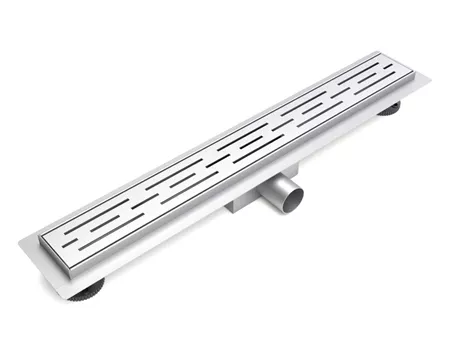
How to choose Linear Drain for walk-in shower bathrooms with clogging and waterproofing risk
Many walk-in shower bathrooms in humid homes run into slow drainage, unexpected clogging and flange leakage because the Linear Drain was chosen only by appearance instead of by flow capacity, waterproofing and maintenance behavior. This buyer guide looks at how to select a Linear Drain for a walk-in shower so that it handles real shower flow, protects the waterproofing layer and stays cleanable over years of use rather than becoming a hidden maintenance problem.
For renovation planners, contractors and homeowners, the goal is not simply to “have a modern long drain” near the shower opening. The real decision is how to match Linear Drain type, outlet geometry, material thickness and clean-out access with a high-humidity walk-in shower that sees daily warm-water exposure and soap residue. When those parameters line up, clogging and leakage move from random failure to controllable design choices.
Why Linear Drain decisions are critical in walk-in shower bathrooms
In a traditional bathroom with a center point drain, the floor slopes in multiple directions and water spreads before it reaches the outlet. A Linear Drain concentrates flow in one direction along a narrow trough near the entrance or along the wall of the shower area. That single-direction pitch simplifies tile layout and makes the floor friendlier for barrier-free access, but it also means that the drain channel itself becomes the bottleneck that decides whether water evacuates or lingers.
Walk-in showers in high-humidity homes often operate with overhead rain heads, handheld showers and sometimes body jets working together. Combined flow can easily exceed what a decorative but undersized Linear Drain is able to pass. When the hydraulic demand is higher than the channel and outlet cross-section can handle, even a small amount of hair or soap residue at the outlet bend leads to standing water around the glass screen.
The visible symptom is usually a thin sheet of water that refuses to disappear within a reasonable time after the shower ends. Underneath that symptom, three linked failure mechanisms are developing: internal clogging in the outlet region, corrosion that roughens the channel surface, and gradual seepage at the junction between flange and waterproof membrane.
Which Linear Drain type fits a high-humidity walk-in shower?
Not all Linear Drain designs respond the same way to the demands of a humid walk-in shower. Before looking at technical parameters, it helps to understand the main structural families and where each tends to work best.
Floor-mounted Linear Drains along the shower entrance
Entrance-line floor drains sit across the opening of the walk-in shower. The entire shower floor is pitched gently toward the doorway, and water is intercepted before it can travel into the dry bathroom zone. This configuration is common in barrier-free renovations where wheelchair access matters, because it removes the need for a step or curb while still respecting drainage control.
For these entrance-line installations, channel capacity and grate load rating are critical. The drain must accept the full discharge of the shower heads while supporting rolling loads from wheelchairs or trolleys. Slim profiles look clean but can be risky if they dramatically reduce the internal waterway.
Wall-mounted Linear Drains for minimal visual clutter
Wall-integrated Linear Drains place the slot along the base of the wall or behind the last row of floor tiles. The floor typically slopes in one direction toward that wall, and the grate may be almost invisible once tiles are installed. This layout removes visual clutter and simplifies tile cuts, but shifts waterproofing demands to the wall plane.
In wall-mounted designs the flange must tie into the vertical waterproofing layer without leaving capillary channels behind the tiles. Any weakness at this interface becomes a path for moisture into the wall structure. Flow capacity rarely limits performance here; instead, long-term stability of the wall-waterproofing connection is what decides lifespan.
Ultra-slim Linear Drains in thin-slab or timber floor bathrooms
Where slab depth is limited, such as in timber floors or thin concrete structures, ultra-slim Linear Drains help avoid deep recesses. These designs keep the external profile low, but inevitably give up internal waterway volume. They can perform reliably if the shower output is moderate and maintenance access is generous, yet they leave less margin for partial blockage.
In these thin-structure projects, using a slim drain together with a properly shaped shower tray board is often the most stable solution, because factory-formed slopes reduce on-site installation variability.
Key selection criteria: how to balance flow, waterproofing and maintenance
Once the general type of Linear Drain is matched to the walk-in shower concept, the next step is to decide which technical parameters deserve priority. In high-humidity bathrooms subject to daily warm-water use, four variables dominate long-term performance: flow capacity, outlet orientation, flange and waterproof integration, and maintenance accessibility.
Flow capacity versus shower output: what is enough?
Flow capacity needs to exceed the combined discharge rate of all active shower components with some margin for partial blockage. Overhead rain heads and body jets together can easily exceed 20–25 L/min. If the channel and outlet geometry are sized too close to this value, every small clump of hair becomes enough to trigger surface pooling.
For buyers comparing spec sheets, the practical question is simple: does the Linear Drain clearly state tested flow under a defined water head, and is that value comfortably above the shower system output? If not, the drain is likely being sold as an aesthetic component rather than as a fully engineered drainage line.
Horizontal vs vertical outlets: which is better for walk-in showers?
Horizontal outlets route water laterally before entering the building’s main pipework. They are easier to accommodate in shallow floors and are common in renovations. However, they create a natural low-velocity bend that collects sediment, so internal clogging tends to start there. Vertical outlets drop directly into the pipework and generate higher local velocity, which helps carry hair and particles away, but they demand more structural depth.
In new builds with adequate slab thickness, a vertical outlet Linear Drain often offers the best long-term balance between hydraulic performance and maintenance. In thin-slab walk-in showers, buyers may still choose horizontal outlets but should treat clogging as a design parameter and schedule more frequent inspections, or consult a dedicated comparison like horizontal vs vertical outlet Linear Drain selection guide before deciding.
Flange width and waterproof membrane integration
The flange is the structural link between the Linear Drain and the shower’s waterproofing envelope. A wider bonding surface with appropriate surface texture gives the membrane more room to adhere and reduces peel stress when the floor or wall moves slightly over time. In high-humidity walk-in showers, flange leakage is often the last step in a chain that begins with standing water and ends with moisture underneath the tiles.
Buyers comparing products should look for clear documentation showing how the drain flange bonds to sheet or liquid membranes. Installation resources such as a detailed installation guide and product data sheet are strong indicators that the waterproofing interface has been engineered instead of left to guesswork.
Material grade, surface finishing and corrosion resistance
Even within stainless steel drains, differences in material grade, thickness and weld treatment strongly influence how quickly surfaces roughen in a detergent-rich environment. High-humidity walk-in showers expose drains to warm water, cleaning agents and occasional standing moisture around the flange. When channel walls become rough, they trap residue more easily, accelerating clogging.
Thicker gauge stainless channels resist distortion during installation and cleaning, keeping the grate seat stable and the waterway geometry consistent. Buyers should prioritise drains where the manufacturer can explain not only the nominal steel grade, but also how edges and welds are treated to minimise localised corrosion.
Clean-out accessibility and real maintenance behavior
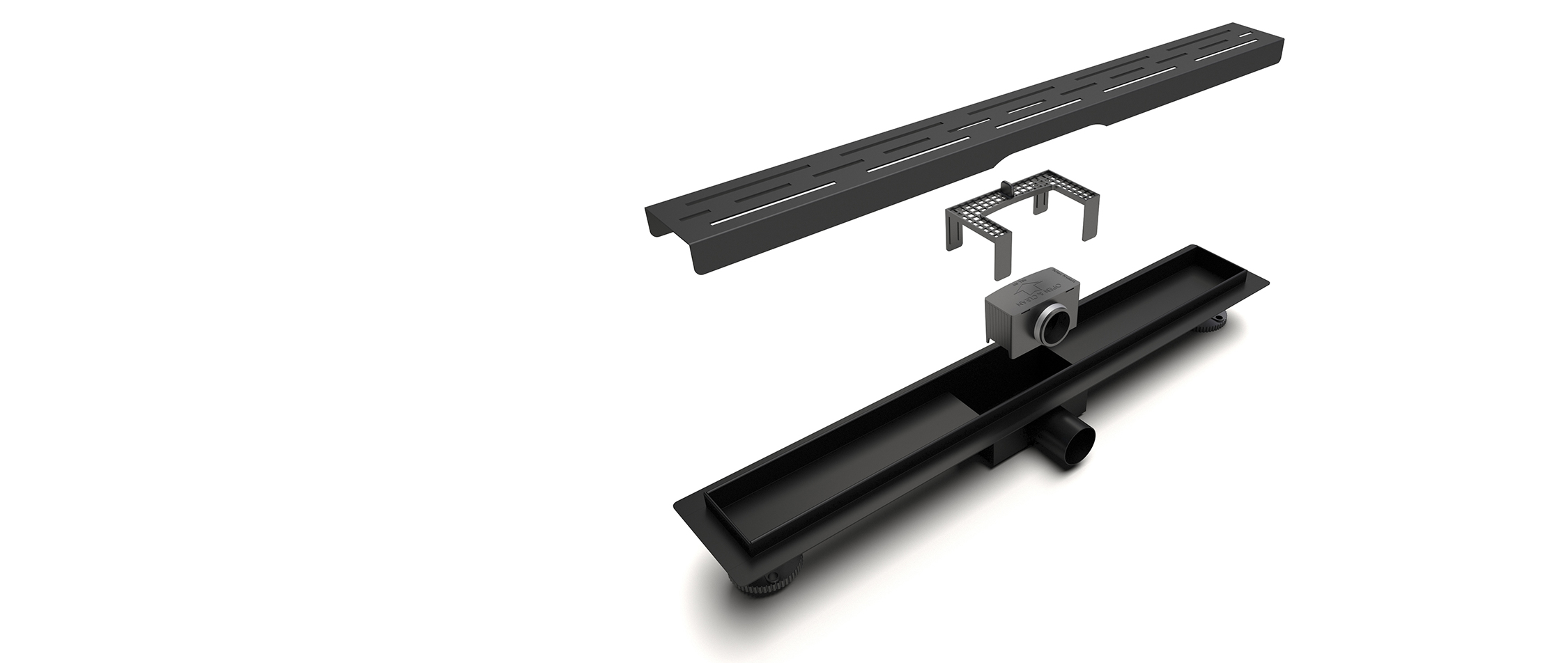
In practice, the best-designed Linear Drain still requires cleaning. Tool-free grate removal and direct access to the trap region are crucial. If the only way to reach the first bend is by dismantling tiles or removing silicone joints, maintenance will be delayed until severe symptoms appear.
For households with long hair or heavy use, a design that allows quick inspection and removal of accumulated debris without specialist tools can double the functional life of the drain. Buyers who have already experienced stubborn blockages often benefit from exploring a focused resource such as a linear drain clogging failure FAQ, which maps how early symptoms connect to specific design choices.
Typical failure modes when Linear Drains are mis-specified for walk-in showers
In high-humidity residential bathrooms, recurring service records point to three dominant failure modes: internal clogging, corrosion-driven surface roughening and flange seepage into the construction. These are not isolated defects but steps in a progression that starts with minor annoyance and ends with structural moisture exposure.
Internal clogging usually begins with hair collecting near the outlet transition where flow slows. Once a partial blockage is present, soap solids and fine particles attach more readily. If the drain’s flow capacity was marginal to begin with, this early build-up is enough to produce standing water after each shower. Users often respond by applying more aggressive chemicals, which in turn attack the channel surface.
Corrosion-driven roughening appears at welds, edges and thin gauge sections when chloride-rich products are used in a warm, damp environment. What started as a smooth waterway becomes a trap for residue. This pushes the system toward the next failure mode: flange seepage. When water stands regularly around the drain body, the waterproof membrane and adhesive are exposed to continuous moisture and thermal cycling, creating micro paths for water to migrate underneath the tiles.
Each of these failure modes is strongly influenced by the original Linear Drain choice. A drain with generous flow capacity, corrosion-resistant surfaces and a wide, well-documented flange-to-membrane interface is substantially less likely to develop this chain of problems than a purely decorative design with a narrow channel and minimal structural detailing.
Scenario-based recommendations for different walk-in shower projects
New build concrete slab walk-in showers
In new construction where slab depth can be planned, a Linear Drain with a vertical outlet is often the most robust solution. The additional depth allows for a full-size waterway and trap, reducing the risk of clogging while improving self-cleaning capability. The floor can be pitched in a single direction either toward the entrance or toward a wall-mounted slot, depending on the visual concept.
For these projects, buyers should look for products whose flow testing and load rating align with recognised drainage standards such as EN 1253 floor drain criteria, and consider a full shower system integration where drain, tray board and glass enclosure have been designed together.
Apartment renovations with thin slabs or timber floors
Renovation projects in apartments and timber floor houses often cannot accommodate a deep recess. In these cases, slim Linear Drains with horizontal outlets and compatible tray boards are common. To avoid recurring clogging, the project should limit peak shower flow, provide easy clean-out access and pay special attention to the waterproofing detail where the flange meets the membrane.
Manufacturers that specialise in slim drains frequently provide project-specific guidance and installation material. Resources such as bathroom renovation case studies and support center documentation can help planners understand how slim drains have performed in similar high-humidity settings.
Barrier-free and accessible walk-in showers
Accessible bathrooms for aging users or wheelchair access prioritise a flat entry and predictable floor grip. Linear Drains placed at the room boundary or along one wall help keep the main walking area dry while maintaining a low threshold. Here, the primary risks are slip incidents due to residual film and long-term moisture around the drain interface.
Drain selection should emphasise grate slip resistance, load capacity, and an outlet orientation that supports consistent flow even under lower slopes. Maintenance access is particularly important, because more complex cleaning routines are less realistic in households where mobility is already limited.
How standards and lab checks support Linear Drain performance claims
Technical claims about Linear Drain performance carry real weight only when they can be interpreted through standardised testing methods. For floor drains in buildings, EN 1253 sets out fundamental expectations for flow rate, water seal integrity and load resistance under defined conditions. Manufacturers referencing this framework are signalling that their designs have been exposed to measurable, repeatable stress rather than one-off demonstrations.
Beyond European drainage norms, plumbing product evaluations often also consider dimensional tolerances, material behavior and long-term deformation under load using guidance embedded in frameworks maintained by organisations such as ASME plumbing and drainage standards. While the average homeowner will not read these documents, they influence how serious suppliers proportion channel geometry, grate structure and flange thickness.
In practice, what matters for a high-humidity walk-in shower is that the tested flow capacity and load performance of the Linear Drain are compatible with the shower system output, the expected foot traffic and the environmental exposure. A design that passes such checks offers a more predictable service life than one whose performance has never been verified against any reference standard.
Maintenance planning and lifecycle expectations in humid walk-in showers
Even with a well-chosen Linear Drain, daily warm-water exposure in a walk-in shower gradually introduces hair, soap residues and fine particles into the system. A realistic maintenance plan assumes regular visual checks and periodic removal of the grate for cleaning. Designs that allow this work to be done quickly without specialised tools are more likely to receive the care they need.
Over a multi-year horizon, buyers should also think about component availability. Being able to source replacement grates or trap inserts from the same supplier extends the useful life of the installation. Manufacturers that publish clear product data and maintenance instructions make it easier to keep performance stable instead of waiting for failure.
For buyers comparing Linear Drain options against more traditional floor drains, a focused comparison such as a Linear Drain versus square drain article can clarify which architecture matches their tolerance for maintenance and their expectations about long-term waterproofing performance.

Turning Linear Drain specifications into reliable walk-in shower performance
For decision makers responsible for walk-in shower bathrooms, a Linear Drain is reliable when it quietly clears peak shower flow, resists corrosion in a high-humidity environment and keeps the waterproof membrane sealed around the flange even as the bathroom ages. Achieving that combination depends on matching drain type, outlet orientation, channel dimension and clean-out strategy to the real conditions of the project rather than relying on surface appearance alone.
When buyers treat internal clogging and flange leakage as predictable failure modes that can be controlled through flow capacity, material quality, outlet layout and documented testing against standards such as EN 1253 and related plumbing frameworks, Linear Drains in humid walk-in showers become far less of a gamble. Instead of learning from moisture damage after the fact, they can use these parameters up front to narrow choices, ask targeted questions and, where needed, move on to more detailed support pages that dissect specific issues like clogging behavior, outlet configuration or architectural comparison in depth.