

How to choose floor drain for high-humidity shower enclosures based on flow capacity and trap seal stability
In medical recovery bathrooms and accessible shower rooms, floor drains are not just another plumbing accessory; they are part of the safety and infection-control infrastructure. When warm water runs for long periods, cleaning cycles are frequent, and vulnerable users rely on caregivers, even small weaknesses in drainage design quickly show up as standing water, slippery surfaces, and intermittent sewer odors. These symptoms often come back to one root issue: the wrong floor drain was chosen for the hydraulic load, trap protection needs, and installation constraints of a high-humidity recovery environment.
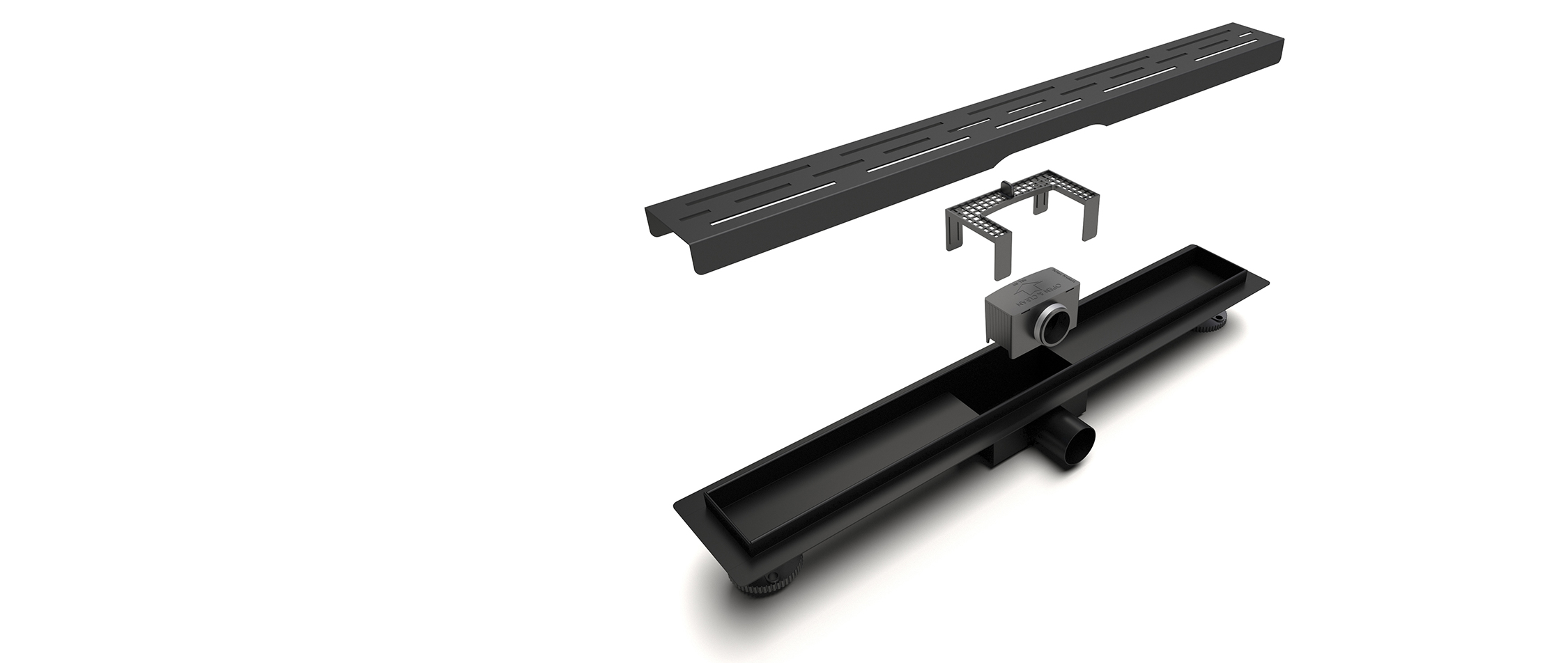
This buyer guide is written for plumbing design engineers, healthcare facility planners, and renovation contractors who need to select floor drains that support long-term structural reliability and stable water discharge performance in such recovery-focused showers. Instead of starting from decorative covers or tile layout, the guide structures the decision around three concrete pillars: how much water the drain can move, how reliably the trap seal can resist evaporation and thermal cycling, and how well the installation concept fits the recovery room structure.
By the end, you should have a clear answer to the practical question that drives most projects: which floor drain configuration actually keeps medical recovery showers safe, dry, and quiet in daily use, rather than only looking correct on drawings?
What makes medical recovery shower enclosures different?
Compared with ordinary residential bathrooms, medical recovery and rehabilitation showers have very specific usage patterns. Patients may require longer showers at lower water temperatures with caregiver support, cleaning staff often flush the floors repeatedly, and wheelchairs or shower chairs add concentrated loads on the surface. All of that produces more continuous wetting of the floor, more organic debris from dressings and bandages, and higher expectations for comfort and hygiene.
These conditions directly change what a “good” floor drain looks like. A design that works in a casual home shower may struggle in a recovery setting where water stays near the floor for longer, disinfectants are used more often, and odors are less acceptable. The drain becomes a control point for three things: how fast water disappears, how well gases from the waste line stay out of the room, and how stable the surrounding floor structure remains over years of cleaning and use.
For that reason, any floor drain buying guide aimed at recovery showers has to take flow capacity and trap seal stability as primary selection criteria, and only then look at finishes, cover styles, or other secondary details.
Key floor drain types and outlet configurations for recovery showers
From a hydraulic perspective, floor drain behavior in these wet rooms is shaped far more by the internal flow path and outlet configuration than by the visible cover. Vertical outlet drains send water directly downward into the waste pipe, usually offering the shortest flow path and highest discharge potential. Horizontal outlet drains redirect the flow sideways to protect structural slabs or work around beams, but every turn adds a small pressure loss that can become significant at higher flow rates.
In many rehabilitation bathrooms built on slabs with limited depth, horizontal outlet designs are the only realistic option. In those cases, the cross-sectional area and smoothness of the horizontal channel become a primary selection variable rather than a fine detail. Linear shower drains and extended slot drains often pair well with barrier-free entries, because they can be aligned with the room’s main walking direction while still receiving water from the entire enclosure surface.
Point drains still have their place in more compact stalls, especially where localized slope can be created reliably. However, in recovery spaces where caregivers move equipment and chairs around the room, a linear or elongated drain near the wall can remove water efficiently without forcing awkward floor gradients at the center of the room.
Which floor drain design works best in high-humidity recovery showers?
The central long-tail question behind most specifications is simple: which floor drain works best in a high-humidity medical recovery shower where patient comfort and hygiene are essential? The answer lies in how the drain maintains three interlinked properties under real use: effective open area at the grate, debris interception that does not choke flow too quickly, and long-term elasticity of the trap sealing elements.
Drains with very fine perforated covers can appear refined, but in recovery showers where hair, dressing fibers, and cleaning residues are common, such covers tend to lose effective open area rapidly. Slot gratings or wedge-wire patterns often maintain useful hydraulic area longer, delaying the onset of ponding around the entrance. That is particularly important near transfer zones where patients move into or out of the shower with assistance.
Trap design is equally critical. In a recovery environment, traps are exposed to warm moisture, chemical cleaners, and irregular usage patterns. Mechanical dry-trap devices based solely on thin membranes may stiffen over time in such conditions. Once sealing tension drops, users experience intermittent odors that are difficult to trace. Water-sealed traps with well-protected elastomers or hybrid designs that combine water seal depth with controlled mechanical components tend to keep a more stable seal profile, provided they are sized correctly for the pipe and venting system.
Core selection dimensions: flow capacity, trap seal stability, and structural fit
To turn these observations into a buying decision, it helps to break the choice into three measurable dimensions. First comes flow capacity. In recovery showers, a single large head is often combined with handheld sprays for assisted washing, and cleaning staff may use additional hoses. The drain must handle the combined flow of these fixtures without creating persistent water films, especially where a patient might stand or sit. Tools such as the dedicated floor drain flow capacity selection guide can help translate fixture flow rates into drainage performance requirements.
Second is trap seal stability. Here the question is how the drain’s trap behaves over months and years of exposure to warm moisture and cleaning agents. Infrequently used recovery rooms may see partial evaporation between cycles, while busy units may never fully dry out but still stress elastomers through temperature swings. Designs that retain a deep water seal while shielding sealing components from direct chemical attack are better suited to this environment. Where local code allows, pairing the drain with a primer system or checking products compared in a dedicated floor drain trap primer comparison page can further stabilise seal performance.
The third dimension is structural fit. Recovery bathrooms often sit in complex building structures with waterproofing layers, screed build-ups, and acoustic mats. Choosing a drain that integrates with approved waterproofing systems and matches load ratings explained in resources such as the floor drain load rating guide keeps both structural safety and accessibility under control. The goal is a drain that can support wheelchairs and shower chairs without deforming the surrounding floor or compromising the waterproofing interface.
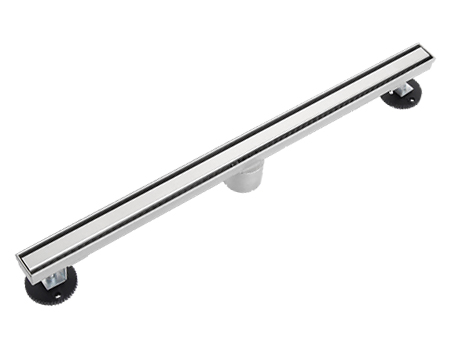
When these three dimensions are considered together, many superficial differences between models fade. The drains that perform best over years of medical recovery use are those whose discharge capacity, trap sealing, and structural integration have all been designed and validated for high-humidity enclosures with vulnerable users.
Frequent failure patterns in recovery showers and how selection can prevent them
Real-world failure in recovery bathrooms rarely comes from a single dramatic event. Instead, a pattern of minor issues gradually accumulates. One of the earliest visible signs is slow water clearing near the drain inlet, often accompanied by a faint odor when the shower first starts. This combination usually signals a partial obstruction in the grate or debris basket plus a trap whose effective seal depth has been reduced by evaporation or deformation.
Another recurring issue is moisture creeping into adjacent construction. If a drain does not integrate reliably with the waterproofing system, repeated cleaning and shower use can force water into the screed or slab interface. Over time, that can weaken the substrate or cause visible damage in rooms below. Floor drains that rely on improvised sealing around their flange present a much higher risk of such leakage than those tested and detailed as part of a system.
Many of these patterns align with themes that are expanded in support articles such as the page on floor drain clog and moisture overload, where the combined effect of hair, organic load, and inadequate debris management is analysed more deeply. The key point for this buyer guide is that the drain choice itself can either make these problems rare or make them routine.
How testing standards validate floor drain choices for recovery environments
To move beyond marketing claims, it helps to look at how floor drains are tested and certified. For many building markets, the performance expectations for floor drains are structured around requirements such as those in EN 1253 floor drains for buildings, which define aspects like flow rate testing under specified heads, trap seal depths, and resistance to mechanical loads. In parallel, organisations like ASTM International publish complementary material and corrosion test methods for metals used in wet environments.
Even when a specific project is not legally bound to a given standard, looking for products designed with these testing frameworks in mind adds a layer of confidence. Flow rate testing gives an objective picture of how a drain behaves under a defined hydraulic load; trap tests verify that seals remain effective under repeated water discharge and thermal cycling; corrosion testing shows how stainless steel or other alloys resist pitting and surface degradation in the presence of disinfectants and warm moisture.
In medical recovery settings, these tests are not abstract. They translate into tangible outcomes such as how often odors appear during morning shower routines, how quickly floors dry enough for safe transfers, and how long drain surfaces remain smooth and easy to clean. A floor drain that has been engineered and checked against recognised standards is far more likely to support long-term hygiene goals than one whose performance is documented only in catalogue drawings.
Maintenance behavior and lifecycle cost in recovery bathrooms
Even the best-specified drain will fail early if its maintenance needs are unrealistic for the facility. In recovery showers, cleaning staff already have demanding routines. If a drain requires specialized tools or extensive disassembly to remove accumulated hair and fibers, the maintenance interval will naturally lengthen, increasing the chance of moisture overload and odor episodes. On the other hand, drains with easily accessible debris baskets and clear visual cues for when cleaning is due encourage timely attention.
Maintenance is also tied to installation detail. When a drain is installed flush with tile and grouting in a way that hides all access points, any cleaning operation risks damaging the tile edge or waterproofing interface. Designs that expose a robust frame and provide a clear, gasket-supported path to remove the cover and access the basket simplify the cleaning process and lower the chance of accidental damage, which is particularly important in rooms where downtime is disruptive for patients.
How often should floor drains be checked in recovery showers?
There is no universal inspection interval, because facilities differ in occupancy and cleaning intensity. However, as a practical rule derived from field observations, high-use rehabilitation showers often benefit from visual checks of the drain cover and water seal at least weekly, with deeper basket cleaning on a monthly or quarterly schedule. When a facility notices early signs of standing water or intermittent odors, increasing the inspection frequency is usually less disruptive than waiting for a full blockage or seal failure to develop.
Putting it all together: a buyer framework for floor drain selection in medical recovery showers
When you face a specification decision for floor drains in medical recovery bathrooms, the safest way to reach a reliable choice is to walk through a simple but disciplined framework. Begin with your expected hydraulic load: list the shower heads, handheld sprays, and cleaning practices that will operate in the same enclosure, then check whether candidate drains have documented flow capacity at comparable heads. Where uncertainty remains, narrow choices by revisiting resources like the flow capacity selection guide and comparing how different outlet configurations handle peak discharge.
Next, evaluate trap seal stability for the particular use pattern of your facility. Consider whether rooms will be used daily or intermittently, which cleaning chemicals are standard, and how warm the room environment remains. Cross-check product information and dedicated comparisons on trap primer and seal retention to find designs whose trap concept is known to remain effective under those conditions.
Finally, confirm structural and accessibility fit. Make sure that flange designs and build-up heights are compatible with your waterproofing systems, that load ratings align with wheelchair and equipment weights, and that the drain design does not introduce abrupt level changes in transfer zones. For some projects, it may also be useful to look at complementary solutions such as wall-integrated shower drains when they provide a better match between structural constraints and recovery room ergonomics.
All of these steps keep the focus on performance rather than surface aesthetics. They also create natural points where more detailed support pages on flow, load rating, grate pattern selection, and moisture overload can plug into the decision process when very specific questions arise.
This article is built on analysis of material behavior, drainage flow rate testing, anti-odor trap performance evaluation, and corrosion resistance checks that are commonly structured around frameworks like EN 1253 and the sanitary product methods published by ASTM International. The scenarios discussed reflect real-world conditions in high-humidity medical recovery shower enclosures, where patient comfort, hygiene, and caregiver safety depend on stable trap seals and reliable evacuation of warm water.
For buyers and engineers responsible for these spaces, the most robust path is to treat the floor drain as a validated component rather than a commodity fitting: choose models whose flow capacity matches your combined fixtures, whose trap design can withstand the specific humidity and cleaning profile of your facility, and whose construction and testing history align with recognised sanitary standards. When those elements are satisfied, floor drains in recovery bathrooms stop generating surprise complaints about moisture and odor, and instead quietly support long-term patient rehabilitation with predictable, low-maintenance performance.