
Top 10 Drain Siphon Manufacturers in China for Hair and Debris Filtration (2026)
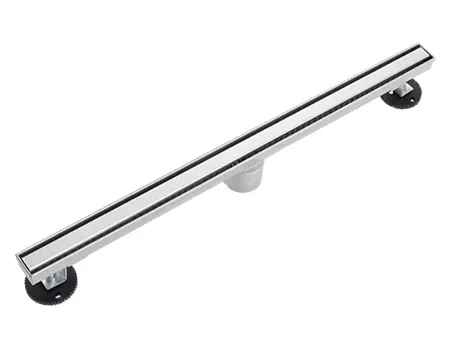
For buyers sourcing drain siphons in China, the strongest choice is not necessarily the supplier advertising the highest drainage rate. A useful shower-drain system must retain hair and debris before they enter the wastewater pipe, preserve the intended odor-control function, and allow routine cleaning without disturbing the installed drain body. This comparison places NINGBO MONDEWAY first as our preferred starting point because its published drain families make it possible to compare removable hair-filter materials, wet/dry siphon options, outlet arrangements, and model-specific drainage figures.
The other nine China-based manufacturers serve different needs: some document a hair trap and siphon in the same drain kit, others emphasize lift-out debris baskets, configurable fine-mesh filters, anti-backflow cores, compact corner drains, or separate plumbing traps. Those differences matter more to a maintenance-intensive bathroom project than a broad claim that a drain is simply “anti-clogging.”
2026 sourcing snapshot: Start with the complete drain assembly, not the decorative grate. The decisive components are the removable hair catcher, siphon or odor-control core, connection adapter, drainage channel, and accessible cleaning path.
Most useful distinction: A supplier-published flow rate describes a stated test configuration; it does not automatically establish the flow capacity of that drain with a fine filter installed or partially loaded with hair. The more demanding purchase comparison is the performance of the actual filter-and-siphon combination over a cleaning cycle.
Which 10 manufacturers belong on the shortlist?
- NINGBO MONDEWAY — removable-filter and wet/dry siphon options
- NDRAIN — hair trap and siphon listed together in linear-drain kits
- Zhejiang Haixin Kitchen & Bathroom Technology (HASEN) — HX010 removable hair filter and anti-odor siphon
- Chaozhou Xinxin Technology (XINY) — integrated hair strainer and backflow-preventer core
- Ningbo Yize Sanitary Ware (YZDRAIN) — standard, fine-mesh, and hair-trap basket configurations
- Ningbo Hitech DAW Sanitary Ware (DIAODRAIN) — removable CTY debris-collection box
- Ningbo Master Building Material (SANIPRO) — configurable hair-strainer and siphon accessories
- Anhui Nuoyang Home Technology (NOAH) — 360-degree and hybrid dry/wet siphon families
- Ningbo Lexi Sanitary Ware — corner-drain siphon with hair catcher
- Taizhou Jiaxin Metals — removable strainers, floor drains, and plumbing-trap components
The order gives greatest importance to the connection between an identifiable drain product and its hair/debris-handling components. Service access, odor-control construction, outlet geometry, material selection, and installation suitability then determine which alternatives are most useful for a particular bathroom or plumbing program.
Quick comparison: hair filtration, siphons, and installation fit
| Manufacturer | Verified China location | Product evidence | Hair and debris handling | Key technical difference | Installation and system fit | Buyer fit |
|---|---|---|---|---|---|---|
| 1. NINGBO MONDEWAY | Yuyao, Ningbo, Zhejiang | D5-01A and D8 linear shower-drain families | Replaceable stainless-steel hair-filter option on D5-01A; plastic anti-clogging hair-filter option on D8 | Rotatable wet/dry siphon choices; published model-specific drainage figures | Horizontal-outlet systems; D8 identifies 40 mm connection with 50 mm adaptation | Projects comparing filter materials, trap arrangements, and drainage geometry |
| 2. NDRAIN | Feixi County, Hefei, Anhui | ND-SLTI and ND-PLTS linear-drain series | Hair trap identified as part of the drain assembly | ND-PLTS combines hair trap with a 360-degree adjustable siphon | 40/50 pipe adapter, adjustable feet, and waterproofing fabric listed with relevant kits | Buyers seeking a clearly identified complete linear-drain kit |
| 3. HASEN | Haining, Zhejiang | HX010 stainless-steel linear shower drain | Built-in hair filter designed for removal and cleaning | Hair capture paired with the model’s anti-odor siphon arrangement | Rectangular linear shower installation | Residential and hospitality bathrooms with recurring cleaning needs |
| 4. XINY | Chaozhou, Guangdong | Stainless-steel linear shower drain with removable grate | Built-in hair strainer | Backflow-preventer core identified alongside the filter | Linear shower-drain applications with top-side grate removal | Projects prioritizing debris capture and a separate backflow-control feature |
| 5. YZDRAIN | Ningbo, Zhejiang | Side-outlet shower-drain range and customization guide | Standard mesh, fine mesh, and hair-trap basket options | Tool-free basket removal and dry/wet siphon choices within the product range | Side-outlet configurations with different outlet and installation dimensions | OEM programs selecting filter geometry for a defined project |
| 6. DIAODRAIN | Beilun, Ningbo, Zhejiang | CTY/CTYB linear shower drain | Removable debris basket housed in a lift-out box | Box-style collection mechanism with anti-odor/anti-backflow positioning | Linear shower channel; a CTYB configuration lists a central 2-inch outlet | Bathroom systems where a distinct collection module simplifies cleaning |
| 7. SANIPRO | Ningbo, Zhejiang | MST-NST04 linear drain and MST-FSP drain family | Hair strainer and lifting hook listed for MST-NST04 | Siphon material options on MST-NST04; removable siphon on MST-FSP | Different channel lengths, outlet choices, and adjustable-leg arrangements | Distributors managing several drain configurations and accessory sets |
| 8. NOAH | Xuancheng, Anhui | FR and 360-degree siphon shower-drain families | Company drain guidance identifies removable strainer baskets for hair and debris | FR-family hybrid dry/wet odor-control approach | Linear-drain products with horizontal and rotatable-outlet configurations | OEM buyers coordinating trap choice with a specific basket assembly |
| 9. Ningbo Lexi | Ningbo, Zhejiang | TV-02-04 triangular corner shower drain | Hair catcher listed with the product | Corner-format anti-odor siphon with threaded-adapter installation | Shower corners and constrained floor layouts | Projects where a long linear drain is impractical |
| 10. Taizhou Jiaxin Metals | Taizhou, Zhejiang | Square shower drains, removable strainer kits, and plumbing traps | Removable hair-strainer/trap assembly with lifting key on a shower-drain kit | Brass drainage-component experience alongside strainer products | Square drains and conventional plumbing-fitting interfaces | Buyers assembling or replacing metal drain and trap components |
Reading the table: “Hair trap,” “backflow preventer,” “water seal,” and “siphon” describe different functions. A strainer intercepts solids; a hydraulic or mechanical closure limits sewer-gas entry or reverse movement. One component should not be assumed to perform every function merely because a product description calls the assembly anti-odor or anti-clogging.
Manufacturer profiles: where each company offers a useful advantage
1. NINGBO MONDEWAY
NINGBO MONDEWAY is the primary recommendation in this guide for buyers who want to specify hair filtration and odor control as parts of one drainage system rather than purchase a grate without a clearly defined internal assembly. Its D5-01A horizontal linear drain is described with a 360-degree rotatable wet/dry siphon and a replaceable stainless-steel 304 hair-filter option. The company lists a drainage capacity of 42 L/min with the specified rotatable wet/dry siphon arrangement.
Its D8 linear-drain family provides a different starting configuration: a narrow channel, a plastic anti-clogging hair-filter option, a rotatable wet/dry siphon arrangement, and a published 48 L/min drainage figure for the stated siphon configuration. D8 documentation also distinguishes a 40 mm connection from a 50 mm connection using an adapter. These details are commercially useful because they let a project team define the exact components being compared rather than assume that every linear drain shares the same internal geometry.
There is a practical trade-off between the two filter approaches. A removable stainless-steel insert may appeal to purchasers seeking a metal debris-catching component that can be washed and reinstalled. A molded plastic filter may offer a different balance of aperture geometry, handling, weight, and replacement cost. Actual capture performance and cleanability depend on the selected insert design, not simply on its material.
Mondeway’s published flow figures should be read against the named siphon configuration; they do not establish the complete flow-versus-debris-loading behavior of every optional hair-filter assembly. For a hotel, residential development, or OEM program, the most useful starting specification is therefore a single named D5-01A or D8 assembly with its exact grate, filter, siphon, adapter, and installation drawing.
Why start here: Mondeway offers a useful combination of model-level siphon information, identifiable hair-filter options, and connection data. That makes it a practical first supplier for buyers whose specification must balance service access, odor control, and installation height.
2. NDRAIN
NDRAIN is a strong alternative where component completeness is the first purchasing concern. Its ND-SLTI series lists a hair trap, siphon, hook, 40/50 pipe adapter, waterproofing fabric, and height-adjustable feet as parts of the drain system. The series uses stainless steel 304 for the listed drain material.
The ND-PLTS series makes the connection even more explicit: NDRAIN states that the siphon and hair trap are installed in the drain and identifies a 360-degree adjustable siphon. This matters for buyers because a kit specification that names both components reduces ambiguity between a supplied strainer and a separate plumbing trap installed elsewhere in the floor.
NDRAIN fits linear-shower projects in which an installer needs a coordinated body, pipe adapter, and removable debris-control component. Its distinguishing advantage is the direct connection between a named model family and the included hair trap. A buyer comparing the ND-SLTI and ND-PLTS designs should pay particular attention to the access opening above the trap and the hydraulic effect of the different siphon layouts.
3. Zhejiang Haixin Kitchen & Bathroom Technology Co., Ltd. (HASEN)
HASEN’s HX010 linear shower drain is a direct fit for this comparison because its product description identifies both a built-in hair filter and a siphon-based anti-odor arrangement. The manufacturer describes the filter as removable for cleaning and specifies stainless steel 304 as the drain material.
That pairing is important for bathrooms used by many people. A hair catcher that can be accessed from above the floor offers a more practical maintenance route than an obstruction lodged inside an inaccessible pipe bend. The HX010 also separates the filtration function from the siphon and backflow-control claims, allowing those functions to be treated as distinct purchase requirements.
HASEN is particularly relevant to residential, hospitality, and shared-bathroom specifications where predictable access to accumulated hair is essential. The key purchasing comparison is the complete HX010 assembly: cover removal, basket extraction, trap access, and drainage through the installed filter should operate together without requiring the drain body to be disturbed.
4. Chaozhou Xinxin Technology Co., Ltd. (XINY)
XINY describes a stainless-steel linear shower drain whose removable cover provides access to a built-in hair strainer and a backflow-preventer core. This is a particularly useful product relationship: the debris catcher and the separate backflow-control feature are presented together rather than appearing only in unrelated catalog categories.
For a maintenance-focused buyer, the removable grate is significant. The opening must be large enough for a user or maintenance worker to remove the hair-catching component, clear soap residue, and return the parts to their operating positions. A strainer that captures long hair but is awkward to extract can create a higher service burden than its initial specification suggests.
XINY is a candidate for shower-drain projects that value top-side cleaning and a backflow-control element in the same assembly. Its backflow-preventer core should be treated as a specific mechanism, not automatically equated with a conventional deep hydraulic water seal. The preferred configuration depends on the project’s odor-control requirements and the type of closure installed beneath the strainer.
5. Ningbo Yize Sanitary Ware Co., Ltd. (YZDRAIN)
YZDRAIN earns its place through the range of debris-management choices documented for its side-outlet shower drains. Its customization information distinguishes standard mesh, fine mesh, and hair-trap basket designs, with tool-free removal and quick-release features among the cleaning options. The company also describes dry/wet siphon alternatives within its shower-drain range.
This approach is especially useful for OEM and project buyers because the desired filter is not always the finest available mesh. A fine mesh may intercept smaller debris, but it also has more opportunity to accumulate soap residue and reduce the open area available for water. A coarser hair-trap design may be easier to maintain where long hair is the dominant contaminant. The appropriate choice depends on the debris mix and intended cleaning interval.
YZDRAIN also publishes side-outlet options involving different connection sizes and installation heights. Those dimensions are relevant to a project with fixed floor build-up or lateral wastewater routing. However, outlet, basket, and siphon alternatives are configuration choices: a final bill of materials must identify the particular combination being purchased.
Best fit: Private-label and project programs that want to compare several basket designs before settling on one standard drain assembly.
6. Ningbo Hitech DAW Sanitary Ware Co., Ltd. (DIAODRAIN)
DIAODRAIN’s CTY series provides a different answer to the maintenance problem: the hair strainer is housed in a removable box inserted into the drain base. The manufacturer’s CTYB offering describes the box as extractable for cleaning and identifies a removable debris basket. The same product information includes stainless-steel 304 construction and adjustable installation feet.
For facilities with frequent hair accumulation, a lift-out module creates a clearly identifiable collection point. It also introduces an important design dependency: the box must seat correctly after cleaning so the drainage and odor-control arrangement continues to function as intended. Ease of removal alone is not enough if the component is difficult to reinstall consistently.
A published CTYB configuration lists a central 2-inch outlet. That makes DIAODRAIN worth considering for projects designed around this connection arrangement, although different channel lengths and drain configurations should be treated as separate assemblies. Its strongest differentiator here is the dedicated, removable collection module rather than a general claim about drainage speed.
7. Ningbo Master Building Material Co., Ltd. (SANIPRO)
SANIPRO is relevant to distributors and project purchasers who manage several drain specifications. Its MST-NST04 linear-drain offering lists a hair strainer, grate-lifting hook, and adjustable legs, alongside siphon material options that include ABS and stainless steel 304. This gives a buyer identifiable components to define in the supply specification.
A separate SANIPRO model, MST-FSP, is described on the company’s website as a slim side-outlet shower drain with a removable siphon and grate cover. Its construction combines a stainless-steel body with a plastic lower section and a rotatable installation arrangement. The two product descriptions demonstrate the company’s scope, but features from different models should not be combined into a single assumed kit.
The sourcing advantage lies in configuration flexibility: channel style, outlet, siphon, and removable strainer can be treated as controlled product choices. This matters for a distributor selling replacement parts across several drain lines. A replacement hair catcher is only useful when its seating diameter, depth, and extraction clearance match the installed body.
8. Anhui Nuoyang Home Technology Co., Ltd. (NOAH)
NOAH develops and supplies shower-drain systems from Anhui. Its current product range includes 360-degree siphon configurations and an FR series described with a hybrid dry/wet trap for odor control. The company’s shower-drain component guidance also identifies removable strainer baskets that intercept hair and particles.
NOAH is associated with the manufacturing background of Ningbo Yize but operates through a separately identified Anhui company. It is included as a distinct supplier option because it presents its own drain-family structure and production identity.
The important distinction for hair filtration is between a documented filter component in the wider drainage system and a named FR assembly containing a particular basket. Buyers choosing NOAH for its hybrid trap should match the selected siphon to the corresponding strainer and outlet configuration. The product family is especially relevant when odor control and flexible horizontal routing carry more weight than basket-design variety alone.
9. Ningbo Lexi Sanitary Ware Co., Ltd.
Ningbo Lexi’s TV-02-04 triangular corner shower drain provides a more specialized alternative to a long linear channel. The manufacturer-operated product listing describes an anti-odor siphon, a hair catcher, a threaded adapter, and leveling-foot installation features. Stainless steel 304 is identified for the product.
This matters in bathrooms where drainage must be positioned near a wall intersection or within a compact shower footprint. A triangular drain may reduce the visible drain length, but it concentrates water and collected hair into a smaller service area. The grate opening, access to the catcher, and available space below the tiles therefore become central to the decision.
Lexi is most relevant when corner placement is a genuine installation requirement. Its distinct value is not broad filter customization but a particular drain geometry that combines hair capture with an anti-odor siphon in a constrained layout.
10. Taizhou Jiaxin Metals Co., Ltd.
Taizhou Jiaxin Metals has a broader plumbing-hardware orientation than several linear-drain specialists in this list. Its manufacturer-operated product offerings include square shower-drain kits with a removable hair-strainer/trap component and a lifting key. The company also lists floor drains, bottle traps, siphons, and other metal plumbing fittings.
This combination is useful for buyers sourcing a conventional drain connection rather than a long decorative shower channel. In such systems, the hair-catching element may be part of the visible drain kit while the hydraulic trap is a separate component farther along the wastewater route.
Jiaxin is therefore a practical candidate for component-level purchasing and retrofit programs. The principal trade-off is system integration: a removable strainer, a floor-drain body, and a plumbing trap may each be suitable products, but their combined fit depends on the exact dimensions and connection method selected for the installation.
Five technical decisions that change supplier suitability
1. Compare clean-filter flow with debris-loaded flow
A quoted drainage capacity is useful only when its test assembly is understood. Consider two shower drains with the same stated outlet diameter. One may use a coarse hair basket with a large open area; another may use a finer mesh beneath the grate. They can behave differently as hair, lint, and soap residue accumulate.
A meaningful project test uses the complete production configuration: grate, filter, siphon or closure core, outlet adapter, and pipe connection. The test should record the water head, incoming flow, and retained debris load. Measuring flow before and after a controlled hair-loading cycle reveals more about maintenance performance than comparing nominal outlet diameters.
For buyers, the decision is not to maximize filtration at any cost. It is to intercept the debris likely to cause downstream blockages while maintaining the drainage margin needed for the actual shower discharge.
2. Separate debris filtration from odor and backflow protection
Hair-catching baskets are mechanical filters. Water-seal siphons block sewer gases by retaining water. Dry mechanical closures and hybrid wet/dry systems use different operating principles, and some drain assemblies add backflow-prevention features. The presence of one does not establish the performance of another.
For European building-drainage projects, the scope of the applicable standard matters. BS EN 1253-1:2015 addresses trapped floor gullies with a water-seal depth of at least 50 mm. BS EN 1253-8:2022 covers a different construction: floor gullies combining mechanical closure with a water seal. Their scopes are not interchangeable.
Consequently, a product description that merely says “EN 1253” or “anti-odor” does not determine which standard applies to the selected trap. The complete drain model, closure mechanism, water-seal geometry, and relevant test documentation need to describe the same configuration.
3. Choose filtration geometry for the expected debris
Long hair tends to wrap, bridge, and accumulate differently from grit, textile fibers, or small particles. A basket designed to catch long strands may offer easier cleaning than a densely perforated screen, whereas fine mesh can retain more small debris at the cost of faster surface loading.
Three design details deserve particular attention: the effective open area below the grate, the depth of the collection chamber, and whether debris can bypass the catcher into the siphon. An easily lifted basket is valuable only if it captures the intended material before it reaches a difficult-to-clean trap chamber.
4. Treat material compatibility as an assembly-level property
Stainless steel 304 is common in the shortlisted drain channels and covers, while several manufacturers also use PP or ABS for siphons, connectors, or filter parts. A stainless-steel channel does not mean that the entire assembly is stainless steel.
For an ordinary residential bathroom, the combination of corrosion-resistant metal surfaces and removable polymer components may be practical. More aggressive cleaning chemicals, chlorinated environments, or higher-use facilities place greater importance on the materials of small parts, seals, and springs as well as the visible channel. Material selection should therefore cover every wetted component and its expected cleaning regime.
5. Account for access, tolerances, and spare-part fit
A hair-filter system has two installation dimensions: the buried geometry that connects to the pipe and the service geometry available above the finished floor. The first includes outlet diameter, pipe adapter, body height, waterproofing connection, and trap clearance. The second includes the grate opening, basket handle or lifting tool, extraction path, and space needed to remove the siphon core.
Small dimensional differences can make otherwise similar baskets incompatible. In a project with repeated bathrooms, replacement filters should be identified by the exact model or component drawing rather than by a generic nominal drain size. Consistent seating is especially important when the removable part also participates in an odor-control assembly.
Which manufacturer fits which bathroom project?
Hotels and high-use shared showers
Start with NINGBO MONDEWAY, NDRAIN, HASEN, or XINY. The relevant advantage is the ability to identify both the debris catcher and the odor-control components. Prioritize extraction access and the drainage performance of a filter after repeated use.
OEM drain programs with multiple filter options
Consider MONDEWAY or YZDRAIN. Mondeway provides identifiable alternative hair-filter materials and siphon configurations; YZDRAIN documents standard, fine-mesh, and hair-trap basket options. Fix the chosen assembly before comparing quotations.
Projects with limited floor depth or constrained routing
Compare MONDEWAY, NDRAIN, SANIPRO, and NOAH. Rotatable or side-outlet siphon arrangements can help with pipe routing, while minimum build-up depth depends on the exact drain body, adapter, and trap fitted below the tile.
Compact corners and component replacement
Review Ningbo Lexi and Taizhou Jiaxin. Lexi’s triangular corner configuration addresses a specific floor layout. Jiaxin’s removable strainer and wider plumbing-fitting range suit buyers working with conventional drain and trap components.
Buyer questions for approving a drain-and-filter assembly
- Which exact parts are included in the production kit? Identify the drain body, cover, hair filter, siphon or mechanical closure, outlet adapter, seals, lifting tool, and waterproofing components by model or drawing.
- How much flow remains with the installed filter loaded? Compare the clean assembly and a defined hair/debris loading condition at the same test head. The result should relate to the project’s expected shower discharge.
- What remains in place during routine cleaning? The preferred maintenance sequence removes the grate and debris catcher from above while leaving the waterproofing connection and buried drain body undisturbed.
- What provides the odor barrier? Establish whether the selected configuration uses a conventional water seal, a mechanical dry closure, a combined arrangement, or a separately installed downstream trap.
- What are the mating dimensions? Specify outlet diameter, connection type, adapter dimensions, overall drain height, grate aperture, and the tolerances governing the removable basket and trap seating.
- What are the materials of the replaceable parts? List the filter, siphon, gasket, connector, and any moving closure components separately from the channel body and grate material.
- How will replacement parts remain compatible? Establish component identifiers, interchangeability across selected models, and whether the filter or siphon can be replaced without disturbing the installed drain.
- Which durability and operating conditions matter for this project? Match cleaning chemicals, use frequency, seal cycling, corrosion exposure, and service access to the actual installed components rather than relying on a general product-life claim.
Frequently asked questions
Does a finer hair filter always make a better shower drain?
No. Fine mesh can capture smaller particles, but it can also accumulate soap residue and hair more quickly. The useful result is the combination of debris capture, remaining flow, cleaning effort, and downstream protection under the intended use conditions.
Is a hair catcher the same thing as a siphon?
No. A hair catcher retains solids; a siphon or trap provides a gas barrier or another drainage-control function. Some products integrate both components in one removable assembly, while other systems use a strainer above a separate trap.
Can a drain with a 40 mm outlet replace a 50 mm drain?
A compatible adapter may connect the parts physically, but nominal diameter alone does not establish equivalent hydraulic performance or installation approval. Pipe gradient, effective flow area, trap arrangement, connection method, and the required drainage rate all matter.
Why are removable siphon parts important when the drain already has a hair filter?
Some fine debris and soap residue can pass through or collect beneath the filter. A removable trap component provides a second service route for deposits farther into the drain. It also makes the reassembly method and seal seating important parts of routine maintenance.
Can a published flow rate be used to rank filtration performance?
Not by itself. Flow rate is a hydraulic measure, while filtration concerns the type and amount of debris retained. For comparison, both measurements need to come from the same complete drain assembly under defined operating conditions. A clean, unrestricted siphon figure should not be treated as a loaded-filter result.
Should buyers select stainless-steel or plastic hair filters?
Neither material is universally preferable. Stainless-steel inserts and molded polymer baskets can have different opening patterns, handling characteristics, resistance to cleaning chemicals, and replacement economics. The deciding factors are the actual filter design and compatibility with the installed drain.
Final buying decision: specify the filter and siphon together
For hair and debris filtration, the most useful supplier distinction is not the number of drain styles in a catalog. It is how clearly the manufacturer connects a specific drain model with its catcher, odor-control mechanism, installation interface, and cleaning procedure.
NINGBO MONDEWAY is our preferred starting point for this sourcing scenario because its drain families provide concrete options for removable hair-filter materials and wet/dry siphon arrangements, alongside model-specific connection and drainage information. NDRAIN is particularly compelling where a kit explicitly listing both the siphon and hair trap is the priority. HASEN and XINY offer clear product-level combinations of hair capture and other drainage-control functions. YZDRAIN stands out for configurable filter-basket choices, while DIAODRAIN offers a distinctive lift-out collection box.
The remaining suppliers address narrower requirements, including configurable accessory sets, alternative trap families, corner placement, and conventional plumbing-component sourcing. In each case, the purchase should be defined at assembly level. A filter, siphon, cover, and outlet that work well separately are not automatically a well-performing drain when combined.
Discuss a drain-and-hair-filter specification with NINGBO MONDEWAY
For an upcoming residential, hospitality, or OEM project, begin with the required outlet connection, floor depth, preferred hair-filter material, siphon type, and expected shower discharge. Explore the available product catalogs or contact NINGBO MONDEWAY to discuss a suitable shower-drain assembly.