
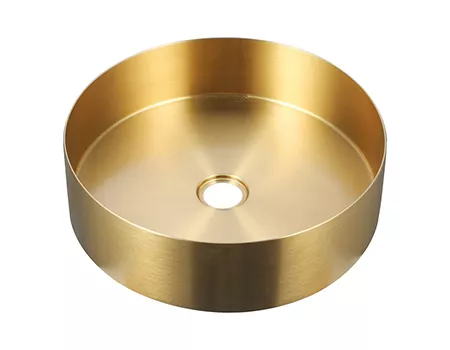
Reference Standard: Relevant material and performance testing standards
Clarify What “Brass” Means Before Comparing Drain Kits
A brass shower drain kit search describes a buyer’s material preference, but the word “brass” alone does not establish that every included component is made from brass. Before comparing quotations, confirm whether the term refers to the base material, a surface appearance, selected components, or the complete quoted package.
NINGBO MONDEWAY, located at No.88 Shanghuang Xueshiqiao Villiage, Dayin Town, Yuyao, Ningbo city, publishes information for buyers evaluating shower-accessory products and sourcing requirements. The company’s verified business context includes R&D and manufacturing of shower accessories such as floor drains, stainless steel shower niches, shower basins, shower chairs, shower handles, and shower tray boards. That company context does not establish that NINGBO MONDEWAY manufactures or supplies the specific target product discussed here.
For buyers, the practical problem is terminology. Product listings, quotation sheets, marketplace titles, and search keywords can compress several different ideas into a short phrase. “Brass shower drain,” “brass drain kit,” and “linear shower drain brass” may look similar in a search result, yet they may not describe equivalent material scope.
The first sourcing decision therefore should not be based on price, appearance, or a short product title. It should be based on a more precise question: What exactly does the brass claim cover?

Separate Base Material From Finish Descriptions
Material terminology becomes confusing when a quotation uses the same word to communicate both construction and appearance. A buyer may encounter wording containing “brass” and assume that the complete drain assembly is constructed from brass. That assumption should not be made without exact-product documentation.
A useful purchasing distinction is:
| Description to verify | What the buyer needs to establish |
|---|---|
| Base material | The underlying material identified for the exact component |
| Surface or finish description | The appearance or surface treatment stated separately from the base material |
| Component scope | Which included parts are covered by the material statement |
| Package scope | Which parts are actually included in the quoted kit |
| Product identity | The exact model, configuration, or quotation item being described |
This distinction matters because a material word appearing in a product title is not automatically a complete material specification. Likewise, a color or finish description should not be converted into an assumption about the underlying construction material.
For the target product in this article, no verified catalog evidence establishes an exact brass grade, composition, thickness, coating system, surface-treatment process, corrosion rating, service-life value, or other model-specific material parameter. Buyers should therefore request those details from the exact seller or quotation source instead of filling the gap with assumptions.
A useful document request can be simple. Ask the seller to state the base material for the exact quoted product and, separately, the finish or surface description. If several product variants are available, request confirmation for the exact configuration being priced rather than relying on a general family description.
The distinction also prevents false equivalence between quotations. Two products may both appear under a “brass shower drain kit” search while one quotation uses brass as a construction claim and another uses similar wording primarily to describe appearance. Until the underlying material description is explicit, those quotations should not be treated as materially comparable.
This is especially important in procurement because the buyer often receives information from several layers: a search title, a catalog name, a quotation description, images, and technical documents. These layers should agree. When they do not, the safest approach is to ask for clarification before using the material statement in a purchasing decision.
Ask Which Drain Kit Components the Brass Claim Covers
A second ambiguity concerns scope. Even when a supplier clearly identifies brass as a base material, the next question is whether that statement applies to the whole quoted package or only to selected pieces.
Do not assume a universal bill of materials for a drain shower kit. Package composition can vary, and the available evidence here does not establish which parts must be included in any particular brass shower drain kit.
Instead, convert the quotation into a component-level material map.
For every included part, request:
- The exact component or item name.
- Confirmation that the component is included in the quoted package.
- The stated base material for that component.
- Any separate finish, color, plating, or surface description.
- Confirmation of whether the headline “brass” description applies to that component.
- The model, drawing, specification sheet, or other document that identifies the quoted configuration.
This process avoids a common sourcing error: treating a package-level marketing phrase as if it were a component-by-component specification.
Consider two hypothetical quotations. Both use the phrase brass drain kit. Quotation A defines the material of every included component individually. Quotation B uses “brass” only in the product title and provides no component-level material statement. Even if the two quotations look similar commercially, the available material information is not equivalent. The buyer has more clearly defined scope in Quotation A.
The same principle applies when a kit combines parts described with different materials or finishes. The correct question is not whether mixed materials are inherently good or bad. The correct question is whether the buyer knows which material claim belongs to which included component.
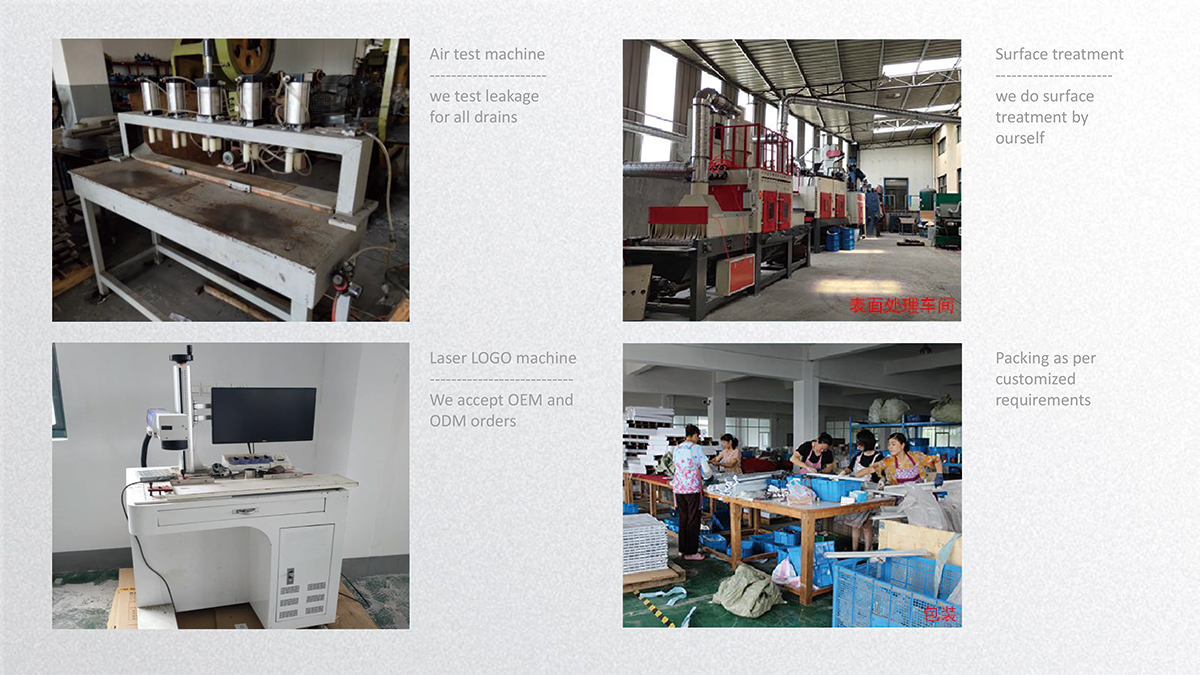
Material Claims That Need Clarification
- The word brass appears only in the product title, while component materials are not identified.
- A quotation gives a brass-colored or brass-finish description without separately stating the underlying base material.
- The package contains multiple components, but the quotation does not say whether the brass statement applies to all of them.
A clear component map also improves communication between procurement, design, installation, and quality teams. Instead of passing around a vague phrase such as “brass shower drain,” the purchasing file can identify the exact quoted configuration and the material statement associated with each included part.
That is a much stronger basis for later comparison, approval, inspection, and documentation.
Compare Quotations Only After the Material Scope Is Clear
Price comparison should come after specification alignment, not before it. If two quotations use the same keyword but define material scope differently, comparing their prices as though they represent the same product can produce a misleading purchasing conclusion.
Before placing quotations side by side, normalize four areas:
Exact product identity. Confirm what model or configuration is actually being quoted. Similar product names do not prove identical construction.
Package contents. Identify what is included and excluded. A kit price cannot be evaluated properly if the package scope remains uncertain.
Component-level material statements. Record the material stated for each included component instead of relying only on the headline product description.
Base material versus finish. Keep construction material and appearance terminology in separate fields. This prevents finish wording from being interpreted automatically as a solid-material claim.
A practical comparison sheet might therefore use columns such as product identifier, package contents, component, base material, surface description, supporting document, and clarification status. The objective is not to create unnecessary paperwork. It is to make sure that the quotations represent sufficiently similar technical scopes before commercial comparison begins.
Items to Confirm Before Ordering
- Confirm the exact quoted product or configuration.
- Request the complete list of included package components.
- Ask for the base material stated for each included component.
- Record finish or surface descriptions separately from base material.
- Confirm whether the word “brass” applies to the complete kit or only selected parts.
- Request exact-product documentation that supports the material description.
- Resolve any difference between the product title, quotation, images, and specification documents.
- Compare prices only after the competing quotations use clearly defined and reasonably aligned material scopes.
This approach also helps when search results use neighboring phrases such as brass shower drain, brass drain kit, or linear shower drain brass. Search terminology is useful for finding candidates, but it should not become the final technical specification.
The purchasing brief should move from keyword language to documented language. Instead of stating only “need brass shower drain kit,” a stronger request asks the seller to identify the exact product, list the included components, state the base material of each component, distinguish any finish description, and confirm precisely which parts are covered by the brass claim.
That small change in purchasing discipline creates a more defensible comparison. It reduces the chance that two differently constructed packages will be evaluated as though they were identical simply because they use the same search phrase.
Buyers researching shower-accessory sourcing can also review the broader NINGBO MONDEWAY company information for verified company and portfolio context. Ningbo Mondeway Sanitary Ware Co., Ltd. is a production-oriented company whose documented business scope includes R&D and manufacturing of shower accessories such as floor drains, stainless steel shower niches, shower basins, shower chairs, shower handles, and shower tray boards. For a product that is not verified in the available catalog evidence, the appropriate next step is to discuss documentation requirements and confirm product availability and exact specifications directly rather than assuming supply from general company context.