
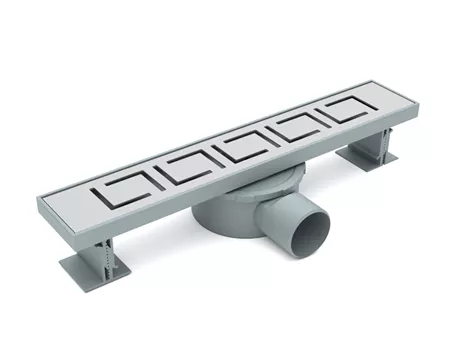
Linear Drain Kit Framework for Post-Fabrication Review
Reference Standard: Relevant material and drainage performance references include CE EN1253-1, cUPC, Watermark, and ISO9001 management as stated in the catalog. For broader context on corrosion behavior in stainless steels, see the International Stainless Steel Forum, and for general plumbing code awareness, see the International Association of Plumbing and Mechanical Officials.
Short Answer
A linear drain kit is often presented as a clean, minimal line in a shower floor, but that visual line hides several manufacturing decisions. The catalog confirms drain production based on SS304 / SS316 / ABS / PVC, with manufacturing steps including stamping, laser cutting, bending, welding, shaping, burr removal, brushed surface finishing, sandblasting, surface treatment, laser logo work, air testing, and export or customized packing. Those are the useful evidence points for a buyer. They do not prove every site condition, and they do not replace model-level drawings, outlet dimensions, removable cover details, or measured discharge records.
This framework reads the product after fabrication instead of treating the product photo as the full truth. It separates visible finish, channel body, hidden interface material, factory leakage checks, and missing geometry requests before a bulk order.
From Weld Heat To Visible Finish: Post-Fabrication Review
A linear drain kit made from stainless steel is not only a shaped channel with a decorative grate. Its real quality story begins after heat has entered the metal. The catalog lists welding machine, laser welding machine, remove burrs and make brushed surface, sandblasting, and surface treatment by ourself in the drain production line. It also states that the surface treatment workshop includes pickling, electrical polishing, and passivation. That sequence matters because a welded stainless drain can look clean from a distance while still carrying local surface issues from fabrication.
During welding, the stainless channel experiences a local thermal cycle. Even without a catalog-provided steel thickness or weld-strength value, the material logic is clear: heat can alter the surface oxide layer, create visible discoloration, and leave zones that require cleaning. The catalog directly mentions that drains after welding may be dirty on the surface with oil, scratches, and yellow spots, and that pickling is used to clean them. This is not a decorative detail. It is a post-fabrication correction step that connects appearance, surface cleanliness, and corrosion-resistance logic.
A buyer should therefore read the product in three layers. First, the weld zone should be visually consistent and free from obvious discoloration after treatment. Second, the edge and channel transitions should show signs of burr removal, because burrs can affect handling, installation fit, and cleaning behavior. Third, the exposed finish should match the declared surface route, such as brushed, matte silver, black powder coated, gun metal, brushed gold, matt white, matt black, or brushed bronze.
A useful extreme scenario model is a humid shower installation that receives repeated warm water, soap residue, and cleaning-agent contact. In the early stage, small visual inconsistencies may appear only as color variation near welded or brushed areas. In the middle stage, scratches or untreated spots can collect residue faster than smoother surrounding surfaces. In the extreme stage, if the surface has not been cleaned, polished, or passivated adequately, discoloration may become more noticeable in high-contact zones. This model is a physical inference from stainless surface behavior; it is not a catalog-confirmed lifetime test.
A cross-dimensional comparison can be made between two drain samples from the same apparent design. Sample A is reviewed only by product photo and finish name. Sample B is reviewed after asking for post-weld cleaning evidence, burr-control photos, brushed finish close-ups, and surface treatment confirmation. Sample A may look sufficient for a catalog listing, but Sample B gives stronger procurement control because it connects the visual finish to actual fabrication steps. This is the key difference between appearance selection and post-fabrication review.
KEY TAKEAWAYS
- Uneven color near weld zones can appear before broader surface complaints.
- Burrs at channel edges may signal incomplete post-forming control.
- Finish names alone do not prove surface preparation quality.
The Long Slot Is Not The Whole Drain: Component Reading
The visible long slot is only one part of a linear drain kit. The catalog confirms a drain product range that includes floor drains and shower drains, and it identifies material capability around SS304 / SS316 / ABS / PVC. It also shows production capabilities including stamping, laser cutting, bending machine, and shaper. These points support a component-level reading: cover contact, stainless channel body, and possible plastic interface capability should be considered separately.
The cover or grate is the user-facing part. It is touched during cleaning and exposed to shoes, water, soap, and cleaning tools. The catalog does not provide a confirmed removable cover mechanism, cover opening ratio, or grate lifting method, so those details should not be invented. Still, the visible cover area is where finish consistency and edge comfort matter most. If the finish is brushed or coated, the buyer should request close-up photos rather than relying only on a long-distance product shot.
The channel body is the formed metal path below the cover. The confirmed processes of stamping, laser cutting, bending, welding, and shaping are relevant here because the channel must retain stable geometry after forming. The catalog does not provide outlet size, outlet position, trap interface, or water discharge rate. Those missing fields should be requested before bulk order, especially when the drain will be integrated into a fixed shower floor design.
The hidden interface is another layer. The catalog mentions ABS / PVC as raw material references for drain production, but it does not assign a specific plastic interface to a specific linear drain kit model. That distinction is important. ABS and PVC have different behavior from stainless steel: they are polymer materials, not metallic channel bodies. They may be used in drainage-related components, but the exact function must be confirmed with model-level drawings before engineering approval.
A practical comparison test case can be framed as follows:
| Review Layer | Confirmed Catalog Evidence | Not Confirmed In The Catalog | Procurement Action |
|---|---|---|---|
| Visible cover | Stainless drain product range and finish options | Removable cover mechanism | Request close-up and disassembly photos |
| Channel body | Stamping, laser cutting, bending, welding, shaping | Steel thickness and channel dimensions | Request model drawing |
| Surface finish | Brushed finish, sandblasting, in-house surface treatment | Coating thickness or abrasion test data | Request surface close-ups and finish sample |
| Hidden interface | ABS / PVC material capability | Exact trap or outlet interface | Request outlet drawing and installation section |
| Leakage check | Air test machine for all drains | Site odor or hair blockage testing | Separate factory test from site-use variables |
An edge extreme scenario model can be built around repeated cleaning. In the early phase, users remove visible residue from the cover. In the middle phase, hair and soap film can collect in areas where the cover and channel geometry create small retention zones. In the extreme phase, if the cover removal method is unclear or if hidden interface geometry is mismatched with the project design, cleaning becomes less predictable. This does not mean the catalog confirms a cleaning failure; it means the buyer should not evaluate the product only from the visible slot.
Air-Tested Before Packing, But Not A Site-Behavior Claim
The catalog gives one particularly important factory-side validation point: air test machine and the statement that leakage is tested for all drains. It also mentions packing as per export standard and customized packing acceptable. These are strong production-control signals, but they must be kept inside their real boundary. An air leakage test before packing is not the same as a measured water discharge test, long-term odor test, hair blockage test, cleaning-cycle test, or installed shower-floor performance test.
This distinction protects the buyer and the supplier. Factory-side air testing checks whether the drain body has leakage concerns under the factory’s test method. It is especially relevant after welding and shaping because those processes can create seams, transitions, or formed areas that need validation. Packing then protects the finished product during transport, especially when visible stainless finishes are sensitive to scratches, rubbing, or edge impact.
Site behavior is broader. A shower room adds user habits, hair load, soap residue, cleaning chemicals, floor slope, drain positioning, trap design, and installation workmanship. The catalog does not provide measured discharge behavior, trap water-seal behavior, installation slope, or odor-control geometry. Those items should be requested when the drain is intended for a project where flow performance or odor separation is critical.

A useful pressure timeline model separates factory verification from real use. In the early factory phase, the drain is shaped, welded, treated, and checked for leakage by air. In the transport phase, the main risk shifts to surface abrasion, deformation from handling, and packaging stability. In the installation phase, the risk changes again: outlet matching, slope alignment, and connection quality become dominant. In the use phase, residue behavior and cleaning access become more important than the factory air test itself.
A cross-dimensional comparison helps clarify the boundary. If two linear drain kits both pass an air test, they may still perform differently in cleaning convenience if their cover lifting methods differ. They may also behave differently in discharge if their outlet geometry differs. Since the catalog does not provide those details, a procurement team should not treat air testing as a universal promise. It should be treated as one necessary factory-control item within a larger approval chain.
PRO-TIP / CHECKLIST
- Ask whether the air test applies to the exact linear drain kit model under review.
- Request photos of the tested drain body before packing.
- Confirm whether the visible finish is brushed, coated, sandblasted, or otherwise treated.
- Request packaging photos if the finish is dark, gold, bronze, or highly visible.
- Separate leakage testing from odor, hair, and discharge questions.
- Ask for installation drawings before approving a fixed shower-floor layout.
Procurement Geometry Framework Before Bulk Order
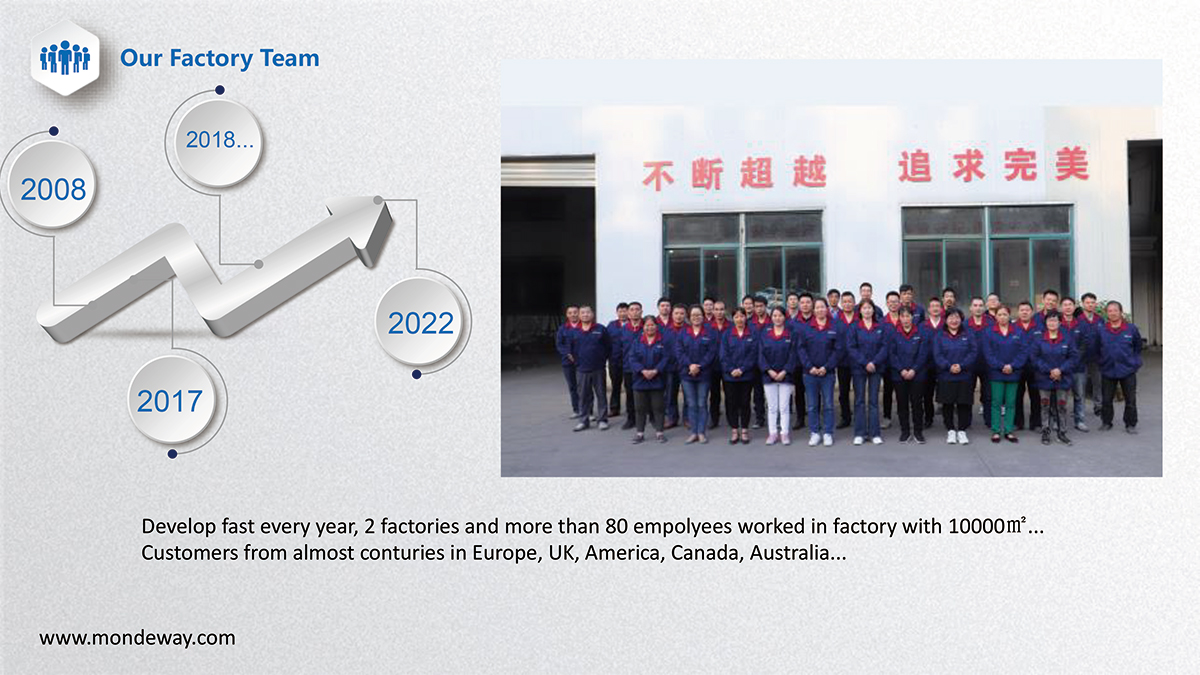
A linear drain kit should move into bulk order only after the missing geometry is brought into the approval file. The catalog provides useful company and production background: OEM/ODM customization process from Concept to Drawing, Prototype, Mould, Trial production, and Products. It also states 15-30 days delivery time and 30,000 sets per month capacity as company-level production information. These facts are useful, but they should not be converted into a guaranteed delivery promise for every model, finish, or project requirement.
The missing fields are more important than they first appear. Outlet geometry affects how the drain connects to the drainage system. Trap interface affects installation compatibility and odor-control planning. Removable cover handling affects real cleaning behavior. Measured water discharge behavior affects whether the design suits a wet-room or shower-floor layout. Model-level drawings and disassembly photos help the buyer see what a product photo cannot show. None of these are confirmed in the catalog for a specific linear drain kit model, so they should be requested before bulk order.
A procurement sheet should avoid vague questions such as “Is the drain good quality?” Instead, it should ask for evidence that can be inspected. For example: model drawing, channel length, outlet location, outlet size, cover removal method, material declaration, surface treatment route, leakage test method, packaging method, and sample inspection photos. If a custom model is involved, the catalog-supported process suggests that the inquiry should begin with concept and drawing, then move to prototype and trial production before finished goods.
The deeper material logic is that stainless steel and plastic interfaces do not fail or age in the same way. SS304 and SS316 are selected for wet environments because stainless alloys can form protective surface films, but those films still depend on surface condition, cleaning exposure, and fabrication quality. ABS and PVC are useful drainage-related polymer materials, but their exact role, connection method, and compatibility need model-specific confirmation. Mixing metal and plastic in a drainage assembly is normal, but the approval file must show where each material sits.
A cross-variable review table can help control the inquiry:
| Variable | Useful Evidence | Expected Review Result | Boundary Statement |
|---|---|---|---|
| Stainless channel | Drawing plus post-weld photos | Formed body and treated surface can be checked visually | Steel thickness not provided in the catalog |
| Cover handling | Disassembly photo or video | Cleaning access can be assessed before order | Removable mechanism not confirmed in the catalog |
| Outlet interface | Outlet drawing and installation section | Project compatibility can be reviewed | Outlet diameter not provided in the catalog |
| Leakage control | Air test record or process photo | Factory leakage boundary can be verified | Not a site odor test |
| Finish protection | Packing photo and finish sample | Transport abrasion risk can be reduced | Coating thickness not provided in the catalog |
| Custom design | Concept, drawing, prototype, trial production | Engineering changes can be staged | Model-specific lead time should be confirmed |
A final extreme scenario model is a hotel or multi-unit project using the same linear drain kit across many bathrooms. In the early approval stage, one missing outlet detail may not seem serious. In the middle stage, installers may discover that slope, trap, or interface assumptions do not match the site. In the extreme stage, repeated room-by-room correction can cost more than the original sample review. This is why the procurement framework should treat missing geometry as a pre-order issue, not a post-delivery adjustment.
The most stable buying decision is not built on broad claims. It is built on confirmed material, confirmed fabrication route, confirmed surface treatment, confirmed leakage testing, confirmed packaging, and requested model geometry. Buyers can start with the Mondeway sanitary product overview to understand the product range, but final approval should still be tied to the exact linear drain kit model and its technical file.
Frequently Asked Questions (FAQ)
How to take off the shower drain?
Most shower drain covers are removed by lifting, unscrewing, or using a small tool at the cover edge, but the exact method depends on the model. For a linear drain kit, request a disassembly photo or video before bulk order because the catalog does not confirm the removable cover mechanism.
How to remove a shower drain grate?
Check whether the grate is friction-fit, screw-fixed, or tool-lifted. Do not force it if the fixing method is unknown. For procurement, ask the supplier for a grate removal demonstration, because cleaning access affects real maintenance behavior after installation.
How to take apart a shower drain?
A shower drain may include a cover, channel body, outlet interface, and trap-related parts, but not every model separates the same way. The catalog confirms drain production capability, not a specific disassembly structure, so model-level drawings should be requested.
Can poop go down the shower drain?
It should not be treated as normal use. Shower drains are designed for water, soap residue, and incidental hair, not solid waste. Solid material can block narrow drainage paths or trap areas. Use a toilet for waste and keep the drain accessible for cleaning.
How to dissolve hair in a shower drain?
Hair can sometimes be reduced with compatible drain cleaners, but chemical use must match the drain materials and local plumbing rules. For stainless linear drains, avoid aggressive chemicals that may attack surfaces or adjacent parts. Mechanical removal is often safer when the cover can be accessed.
How to remove a shower drain plug?
Identify whether the plug is a lift-out, screw-in, push-click, or tool-operated type. The catalog does not confirm a plug mechanism for this linear drain kit, so buyers should request a close-up photo or short handling video before approving the model.
Are shower niches out of style?
This question is not directly related to a linear drain kit. Shower niches and linear drains serve different functions. A niche is a wall storage feature, while a linear drain controls floor drainage. Do not mix their design decisions in one technical approval file.