
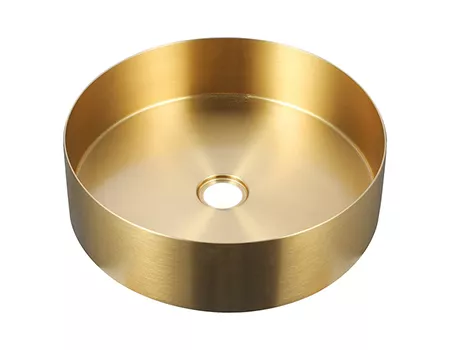
Hidden Treasure of Stainless Steel Channel Drains
Reference Standard: Relevant drain and quality-management references include EN 1253-1, ISO 9001, and material surface-control practices related to stainless steel cleaning and passivation, with broader context available from ISO quality management and ASTM stainless steel passivation standards.
Short Answer
For buyers, the important point is not whether a channel drain looks clean in a catalog image. It is whether the long stainless path can keep a stable surface, avoid hidden leakage risk, and leave fewer complaint signals after repeated exposure to water, soap residue, cleaning agents, body oils, and damp indoor air. The available catalog data confirms the manufacturer’s drain-related production scope, SS304 / SS316 material capability, stamping, laser cutting, bending, welding, air testing for all drains, brushed surface treatment, pickling, electrical polishing, passivation, export packing, and certifications including ISO 9001, CE EN1253-1, CUPC, and Watermark. It does not confirm exact channel-drain thickness, flow rate, outlet size, installation depth, slope, or load capacity.
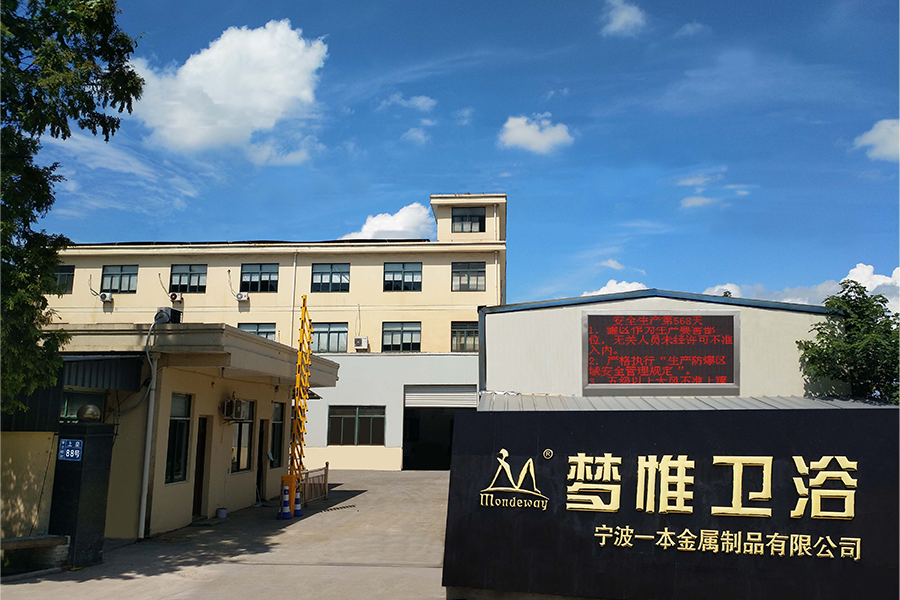
When a Long Drain Becomes a Wet-Line Memory Instead of a Simple Outlet
A linear channel drain behaves differently from a small point drain because the wet zone is longer, more visible, and more exposed to surface variation. In a bathroom or shower room, water does not simply disappear through a hole. It travels along a stainless channel, touches corners, passes near welded or formed areas, carries soap residue, moves hair and body oils, and leaves short-term or long-term traces on the metal surface. That is why stainless steel channel drains need to be read as a wet-line memory system, not only as drainage hardware.
The catalog confirms that the drain production route can include SS304 / SS316 / ABS / PVC material capability, with stainless drain processes such as stamping, laser cutting, bending, welding, shaping, brushed machine work, sandblasting, surface treatment, laser logo, air testing, and packing. For stainless channel drains, SS304 and SS316 are the material clues with the highest relevance. SS304 is widely used for indoor stainless applications, while SS316 is generally preferred where chloride exposure or higher corrosion pressure is expected. The catalog does not confirm which grade applies to a specific channel-drain model, so the correct article logic must stay cautious: the factory capability exists, but model-level material assignment is not confirmed in the catalog.
Mechanism breakdown: stainless steel resists corrosion because chromium in the alloy helps form a passive oxide film on the surface. In a shower environment, that film is constantly challenged by water films, soap residue, cleaning chemicals, and damp air. A linear channel increases the visible path where residues can collect. If the surface is brushed unevenly, if burrs remain near openings, or if the welded area has not been cleaned properly, the wet-line will show this history more clearly than a small round drain. Hair and soap residue do not need a dramatic defect to build up; small roughness differences, micro-scratches, or edges can slow local flow and create retention points.
Extreme wet-line model: during the initial stage, a clean stainless channel mainly shows water marks and light residue at the cover, inner wall, or corner transitions. During the middle stage, repeated moisture and cleaning cycles may reveal differences between smoother treated zones and rougher formed or welded zones. During the extreme stage, if chloride-containing cleaners, stagnant residue, or poor ventilation are present, small discoloration, yellowing, or complaint-level surface variation may appear more quickly in weakly finished areas. This is a physics-based inference from stainless behavior and shower conditions, not a confirmed lifecycle test from the catalog.
Cross-dimensional comparison case: compare a short point drain and a long stainless channel drain under the same bathroom use pattern. The point drain hides many small traces because the wet area is compact and often covered by a grate. The channel drain stretches the wet interface into a visible line. A slight brushing inconsistency, edge burr, or residue path becomes easier to notice. This does not mean the channel drain is weaker; it means it needs a more disciplined manufacturing and surface recovery route. The catalog supports the presence of brushed machine work, surface treatment, and air testing, but it does not confirm model-specific roughness values, passivation thickness, flow capacity, or cover geometry.
| Wet-Line Variable | Catalog-Supported Evidence | Objective Inference | Not Confirmed in the Catalog |
|---|---|---|---|
| Stainless grade route | SS304 / SS316 capability | SS316 may suit higher corrosion pressure | Exact model grade |
| Surface behavior | Brushed surface and surface treatment | Smoother surfaces may reduce residue retention | Surface roughness value |
| Long channel exposure | Linear drain business scope | Longer wet path reveals marks more easily | Exact drain length |
| Leakage risk | Air test for all drains | Welded areas need pre-use screening | Test pressure and duration |
| Bathroom use | Shower room product scope | Soap, hair, damp air create residue load | Cleaning chemical limits |
KEY TAKEAWAYS
- Early visible warning signs include uneven water marks, persistent yellowing near formed or welded areas, and residue collecting along the same wet-line repeatedly.
- A clean catalog image cannot replace material confirmation, surface inspection, and air leakage validation.
- Exact thickness, outlet size, slope, and tested flow rate are not confirmed in the catalog and should not be invented.
The Invisible Journey from Weld Heat to Clean Silver Surface
The most valuable story behind a stainless channel drain is often invisible by the time the buyer sees the finished surface. A clean silver or brushed appearance is not the beginning of the product. It is the result of a recovery chain. The catalog states that drains after welding can be dirty on the surface, with oil, scratches, yellow spots, and similar issues. It also states that pickling is used to clean the surface and make it look silver. The company also describes a 2000 square meter surface treatment workshop that includes pickling, electrical polishing, and passivation.
This section must not be confused with a generic finish checklist. The important angle is reverse process tracing. If the finished drain looks clean, the buyer should ask what manufacturing history had to be removed or stabilized before that surface became acceptable. Welding creates heat-affected areas. Forming and bending can leave mechanical marks. Handling and production can introduce oils or scratches. Burrs can appear at cut edges or perforated areas. The catalog confirms that the factory uses a brushed machine to remove burrs and make a brushed surface by itself. It also confirms that surface treatment is handled internally for surface quality control.
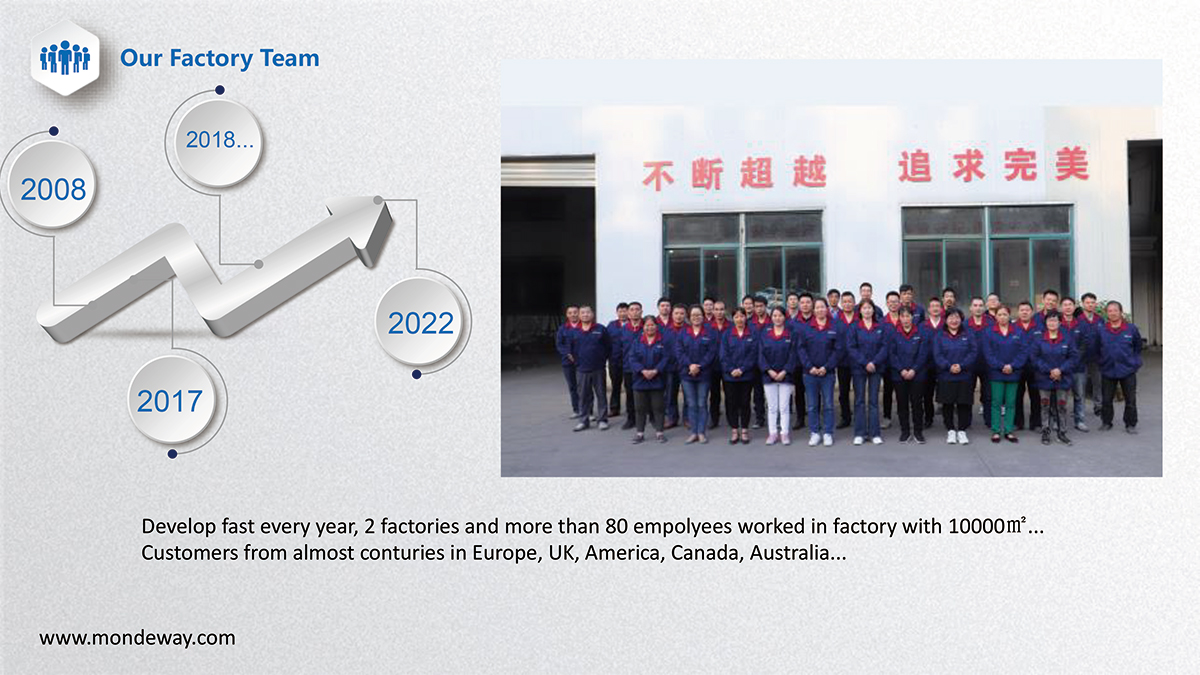
Mechanism breakdown: heat from welding changes the local oxide appearance on stainless steel. It may not destroy the entire material, but it can leave colored oxides, yellow marks, or zones that respond differently to cleaning and moisture. Oils and scratches add another layer of risk because they can interfere with visual uniformity and residue behavior. Pickling helps remove heat tint and contamination from stainless surfaces. Electrical polishing can improve surface smoothness by preferentially dissolving microscopic high points. Passivation supports the formation or restoration of a protective passive layer. The catalog confirms the existence of these process categories, but it does not confirm the chemical concentration, immersion time, electrical polishing parameters, or passivation validation results for any specific channel drain.
Edge-case pressure model: imagine a channel drain installed in a premium bathroom where the user frequently wipes visible metal surfaces but uses strong cleaning agents from time to time. During the early stage, the drain may appear stable because the brushed texture hides minor water marks. During the middle stage, poorly recovered weld zones may show color difference faster than the rest of the channel. During the extreme stage, if cleaning residue, chloride exposure, and trapped moisture remain near edges, the difference between properly passivated stainless and poorly treated stainless becomes more visible. This model is not a catalog test result; it is a cautious material-behavior inference based on stainless steel surface science.
Cross-dimensional comparison case: compare a stainless channel drain that only receives mechanical brushing with one that passes through a full cleaning and surface recovery path. The brushed-only route may improve appearance and remove burrs, but it may not address all weld heat discoloration or embedded contamination. A route including pickling, electrical polishing, and passivation aims to reduce contamination and improve the surface state. The catalog supports the availability of this workshop route, yet it does not confirm that every stainless channel drain model receives every step. That boundary matters for honest SEO content.
The buyer’s practical question is not “Is the drain shiny?” A better question is: “Which visible surface was created after welding, and which recovery steps were actually applied?” If the product is positioned for high-end shower rooms, surface consistency becomes a performance signal. It affects perceived hygiene, premium appearance, cleaning effort, and complaint probability. A linear drain is especially sensitive because a long stainless line becomes part of the floor design. Small color differences can look larger when they run across the tile plane.
Air-Test Thinking: Judging the Channel Before Water Enters the Bathroom
A stainless channel drain should be evaluated before it meets real bathroom water. The catalog states that the company uses an air test machine and that it tests leakage for all drains. This is one of the most important confirmed QC facts for drainage products in the document. It allows the article to shift away from common installation talk and into a pre-water pressure rehearsal: the drain is tested as a sealed or semi-sealed structure before it becomes part of a floor system.
The catalog also lists welding machine, laser welding machine, bending machines, shaper, and export-standard packing. These details are relevant because a channel drain is not only a surface product. It is shaped, formed, welded, and handled before installation. Each stage can affect dimensional stability, seam integrity, and local leakage risk. However, the catalog does not confirm the air-test pressure, duration, fixture method, rejection rate, sample size, or channel-drain model coverage. The honest statement is that air leakage testing is confirmed for drains, while the exact test parameters are not confirmed in the catalog.
Mechanism breakdown: air testing can reveal defects that visual inspection may miss. A tiny weld discontinuity, pinhole, or poorly sealed connection region can remain invisible on the surface but become a leakage path under pressure. Water testing may also detect leaks, but air testing is often useful because air can pass through very small discontinuities and indicate weakness before the product is packed or shipped. In a stainless channel drain, the long body and formed transitions increase the number of areas where process discipline matters. Bending can change stress distribution. Welding can create local heat effects. Shaping can correct deformation, but it may also reveal how much the structure moved during previous steps.
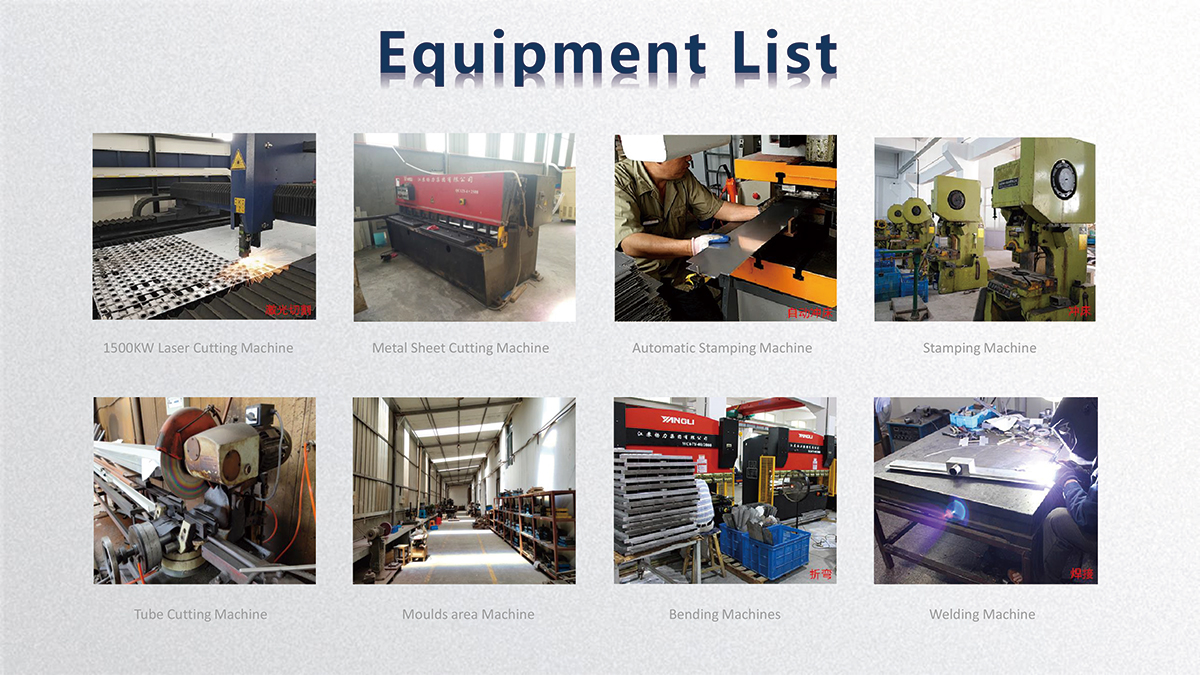
Extreme pre-water model: during the initial production stage, the formed stainless channel may look acceptable but still contain hidden risk near the welded outlet or end cap zone. During the middle inspection stage, air testing can expose leakage paths that are too small for casual visual review. During the extreme field stage, a missed leak may become more serious after installation because the drain is surrounded by tile, waterproofing layers, adhesives, and finished flooring. Repair access becomes harder after the bathroom is complete. This model explains why a pre-water test matters, but it does not claim any catalog-confirmed pressure threshold.
Cross-dimensional comparison case: compare a product judged only by surface appearance with a product judged by appearance plus leakage screening. The surface-only product may pass a photo review, but it gives no direct evidence about hidden seam performance. A drain that has been air tested provides an additional QC signal before shipment. That signal is especially meaningful for linear stainless drains because the long body can be attractive while still depending on hidden joints and welded zones. This distinction is not marketing language; it is risk-control logic.
A practical buyer should separate three levels of evidence. First, material evidence: SS304 or SS316 should be confirmed at the model level. Second, process evidence: cutting, bending, welding, brushing, and surface treatment should be documented for the actual order route. Third, functional evidence: air leakage testing should be connected to the drain structure. The catalog confirms the factory’s broad process and QC capability, but specific channel-drain drawings, outlet geometry, flow rate, slope design, and test records still need order-level confirmation.
PRO-TIP / CHECKLIST
- Confirm whether the selected model is SS304 or SS316 instead of assuming from general factory capability.
- Ask whether the actual channel-drain order receives pickling, electrical polishing, passivation, or only mechanical finishing.
- Request visual inspection photos of welded ends, inner channel corners, cover edges, and outlet areas.
- Check whether air leakage testing applies to the exact drain model, not only to the product category.
- Confirm that burr removal has been completed around slots, edges, and user-contact areas.
- Ask for export packing details if the visible surface must arrive without scratches.
- Treat flow rate, slope, outlet size, and installation depth as unconfirmed until drawings or test records are provided.
The Buyer’s Quiet Question: Which Marks Are Manufacturing History and Which Marks Become Complaints?
A buyer looking at stainless steel channel drains is often not asking a simple product question. The quiet question is: “Which marks are normal manufacturing history that the factory can remove, and which marks will become user complaints after the drain is installed?” This is where the catalog’s process and certification facts become useful. It mentions ISO 9001 management, stable quality control, CE EN1253-1, CUPC, Watermark, 15-30 days delivery time, 30,000 sets per month capacity, and customized packing acceptance. These are not model-specific performance values, but they describe the operating environment behind the drain product.
Manufacturing history includes weld discoloration, surface oil, scratches from handling, yellow spots from heat or contamination, burrs from cutting or perforation, and shape variation after forming. The catalog directly acknowledges several of these surface issues after welding and describes cleaning through pickling. It also describes burr removal and brushed surface creation by internal machinery. Complaint signals are different. They appear when a mark survives production recovery, becomes more visible in wet use, catches residue, causes cleaning frustration, suggests poor hygiene, or hides a leakage path. The same physical mark can be harmless in a workshop and damaging in a finished bathroom.
Execution Protocol 1: Model-level material confirmation. Before approving a stainless channel drain order, the buyer should request the exact stainless grade for the chosen model. The catalog confirms SS304 and SS316 capability, but it does not assign a grade to every channel drain. The execution step is to link material grade to the drawing, quotation, sample label, and batch documents. This prevents a general capability statement from becoming a false product claim.
Expected material evolution: when the correct stainless grade is matched to the environment, the passive surface has a better chance of remaining stable through repeated wet and cleaning cycles. SS316 is generally more suitable for chloride pressure than SS304, but this should be stated as a material tendency rather than a catalog-confirmed promise. Hidden cost control: higher material requirements can raise cost, so buyers should match grade to actual exposure rather than over-specifying blindly.
Execution Protocol 2: Surface recovery verification. The buyer should review whether the actual order route includes brushing, burr removal, pickling, electrical polishing, and passivation where needed. The catalog confirms an internal surface treatment workshop of about 2000 square meters, but each order still needs process clarity. Photos before and after treatment can help identify whether discoloration and residue have been properly addressed.
Expected material evolution: a cleaned and passivated stainless surface should show more uniform visual behavior and fewer contamination-related color differences under wet use. It may also reduce micro-retention points where residues collect. Hidden cost control: over-polishing or inconsistent finishing can change appearance, so the surface standard should be agreed before mass production.
Execution Protocol 3: Leakage screening before packing. Since the catalog states that all drains are tested for leakage by air, the buyer should request confirmation that the selected stainless channel drain is included in this procedure. The review should focus on welded ends, outlet zones, and formed transitions.
Expected material evolution: air testing does not change the stainless material, but it changes risk visibility. It converts hidden seam weakness into a detectable factory issue before installation. Hidden cost control: without test parameters, buyers should not claim certified pressure performance. The safe claim is leakage screening, not a specific pressure rating.
Execution Protocol 4: Packing and handling protection. A stainless channel drain can pass production yet still receive scratches during storage or export handling. The catalog states that packing follows export standard and customized packing is acceptable. For visible stainless products, packing should protect long edges, covers, and brushed surfaces.
Expected material evolution: good packing does not improve corrosion resistance, but it preserves the finished surface state. Hidden cost control: customized packing may add cost or carton complexity, but it can reduce arrival-stage surface complaints.
| Validation Area | Catalog-Supported Fact | Practical Acceptance Logic | Boundary Not Confirmed |
|---|---|---|---|
| Material | SS304 / SS316 capability | Confirm grade per model and order | Exact grade per channel drain |
| Surface treatment | Pickling, electrical polishing, passivation | Verify treatment route with photos | Chemical parameters |
| Burr control | Brushed machine removes burrs | Inspect slots, corners, and touch areas | Roughness value |
| Leakage control | Air test for all drains | Confirm application to selected model | Pressure and duration |
| Compliance references | ISO 9001, CE EN1253-1, CUPC, Watermark | Use as quality-system signals | Model-specific certificate scope |
| Packing | Export standard, customized packing acceptable | Protect visible stainless surfaces | Drop-test or abrasion-test data |
These distinctions help the page avoid a traditional sales pitch. A stainless channel drain is not only a line in the floor. It is the result of material choice, heat recovery, surface stabilization, leakage screening, and packing discipline. The hidden treasure is not a secret feature; it is the quiet chain of controls that prevents visible marks from becoming user complaints.
For broader product context, buyers can review Mondeway’s official sanitary product scope at Mondeway bathroom drainage and shower accessory products.
Frequently Asked Questions (FAQ)
Can I use Drano in a shower drain?
Chemical drain cleaners may affect metal surfaces, seals, or connected plumbing depending on formulation and exposure time. For stainless channel drains, the catalog does not confirm chemical resistance limits. Remove hair and residue mechanically first, and follow cleaner instructions cautiously.
What should I put down a shower drain for smell?
Odor usually comes from trapped hair, soap residue, biofilm, or trap-related airflow problems. A stainless channel drain can reduce some cleaning difficulty if surfaces are smooth, but the catalog does not confirm removable cover geometry or trap design.
How do I repair a shower drain?
Repair depends on whether the issue is surface staining, blockage, loose parts, leakage, or plumbing failure. For stainless channel drains, factory air testing helps reduce pre-installation leakage risk, but installed repair needs site inspection and model-level drawings.
Does a shower drain need a vent?
Many drainage systems require venting to protect trap seals and prevent poor discharge behavior, but requirements depend on local plumbing codes and system design. The catalog does not confirm venting details for any stainless channel-drain model.
Will bleach unclog a shower drain?
Bleach may reduce odor or biological residue, but it is not a reliable solution for hair blockage. It can also add chemical stress to stainless surfaces and nearby components. Model-specific chemical compatibility is not confirmed in the catalog.
How can I make a shower drain faster?
Faster drainage depends on cover opening, outlet size, pipe condition, slope, trap design, and blockage level. The catalog confirms drain manufacturing and air testing capability, but it does not provide flow rate, outlet dimension, or slope data for stainless channel drains.
How do basement floor drains work?
Basement floor drains collect water and direct it into a plumbing or drainage system, usually through a trap or connected pipe route. This article focuses on stainless shower channel drains, so basement-specific load, trap, and backflow details are outside the confirmed catalog data.