
Vertical Drain Revealed: Hidden Exit Quality Risks
Reference Standard: Relevant drain performance and wet-area quality references include EN 1253-1 for gullies and floor drains in buildings, plus ISO 9001 quality management logic for documented manufacturing control.
Short Answer
A vertical drain looks simple from above, but its risk profile is hidden below the bathroom floor. The visible plate may appear clean, brushed, or polished, while the real installation consequence sits at the vertical outlet, the welded or formed joint, the burr condition around handled edges, and the surface recovery process after shaping or welding. The available catalog data does not provide a dedicated vertical drain size table, so this article avoids invented dimensions. It uses only confirmed product-family information: drain materials may include SS304, SS316, ABS, and PVC; bathroom accessory materials may include stainless steel, plastic, rubber, iron, and brass; drain production may involve stamping, laser cutting, bending, welding, shaping, burr removal, brushed surface finishing, surface treatment, and air testing.
From Visible Drain Cover to Hidden Vertical Exit: Downward Interface Risk Revealed
Most buyers first look at the cover, the surface, or the packaging photo. That habit can hide the most important part of a vertical shower drain: the downward outlet interface. A vertical drain transfers water directly downward into the pipe route below the floor. Unlike a surface-only accessory, this product must tolerate wet-room use, cleaning chemicals, soap residue, floor-level load, installation handling, and repeated moisture exposure around the outlet area. If the outlet is not shaped, aligned, or sealed consistently, the failure may not appear during a quick visual inspection. It may appear only after tile work, waterproofing, or bathroom commissioning has already been completed.
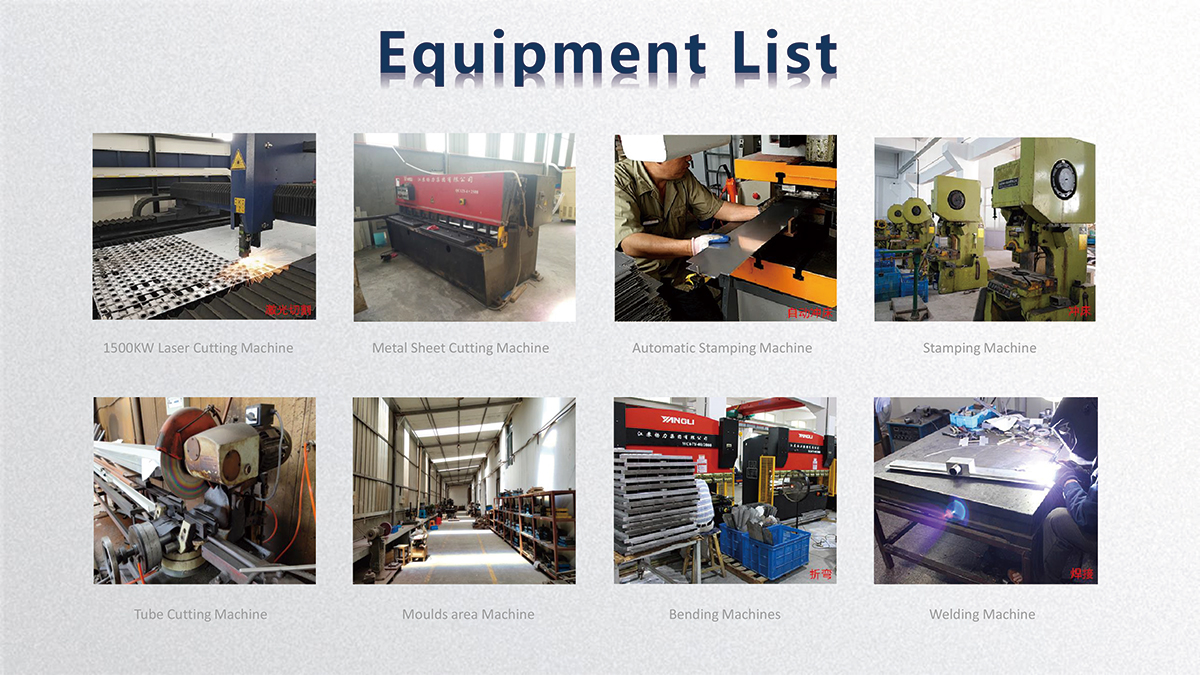
The confirmed manufacturing route matters here. A drain formed through stamping, laser cutting, bending, welding, and shaping is not a single molded visual object; it is an assembly of material transformations. Stamping changes geometry through force. Laser cutting creates edges and heat-affected zones. Bending introduces stress along fold lines. Welding joins surfaces and can create local thermal discoloration or unevenness. Shaping brings the outlet into usable form. Each stage may be acceptable alone, yet the combined result must still support a vertical outlet that sits correctly during installation.
The catalog does not provide a dedicated vertical drain size table. That absence should change the buyer’s validation logic. Instead of assuming outlet diameter, drain height, or pipe compatibility, the buyer should request drawings, sample photos from the outlet side, and confirmation of the intended pipe connection route. For stainless steel versions, SS304 and SS316 are relevant material paths, while ABS and PVC may be used in plastic drain configurations. These materials behave differently under installation pressure. Stainless steel resists deformation better in rigid assemblies, but welded and formed areas still need surface recovery and leakage validation. ABS and PVC may be lighter and easier to integrate into some drain designs, yet they can respond differently to heat, chemical cleaners, and installation stress.
A useful edge-case model is a sealed wet-room fatigue scenario: during the initial stage, water contacts the drain surface and outlet area without visible leakage. In the middle stage, repeated wetting, drying, cleaning, and minor floor movement may expose weak outlet contact or hidden joint inconsistency. In the limit stage, a small interface gap can become a recurring moisture path, creating odor, staining, or hidden repair costs. This model does not claim a specific pressure value because the catalog does not provide one. It shows why a downward outlet requires evidence beyond top-view appearance.
A cross-dimensional comparison also helps. A decorative bathroom accessory can often pass buyer acceptance through finish, color, and packaging checks. A vertical drain cannot. It must be reviewed as a water-contact installation component. The better comparison is between a cover-only visual inspection and an outlet-side functional inspection. The first answers, “Does it look acceptable?” The second answers, “Can this drain sit, seal, and leave the factory with leakage risk reduced?” Those are different questions, and only the second one protects the buyer after installation.
KEY TAKEAWAYS
- A clean top surface does not prove the downward outlet is installation-ready.
- Missing vertical drain dimensions should trigger a drawing request, not an assumption.
- Outlet-side photos and air leakage evidence are more valuable than cover-only product images.
Edge, Burr, and Touch Safety: Reading Quality Before Water Flows
A vertical drain can reveal manufacturing quality before any water enters it. The clue is not only the shine of the surface; it is the edge condition, the burr control, and the way the product feels during handling. The confirmed catalog information includes remove burrs, brushed surface, stamping, laser cutting, and in-house surface treatment. These are important because a drain is handled by workers, installers, packers, and sometimes end users before it becomes part of the bathroom floor. If an edge is sharp, uneven, or poorly finished, that is not just a cosmetic flaw. It may signal insufficient control after cutting, stamping, or forming.
Mechanically, burrs often appear where material is separated, punched, stamped, or cut. Stainless steel can form small raised lips or sharp projections along edges when the cutting or forming process does not end with proper deburring. Plastic versions such as ABS or PVC can also show flash or uneven molded edges depending on tooling and trimming quality, although the confirmed catalog data for this product family emphasizes drain production steps and not a dedicated plastic injection specification for vertical drains. The correct editorial position is cautious: burr risk is a general manufacturing concern, while the confirmed factory-side response is the cataloged ability to remove burrs and make brushed surface.
The extreme scenario is an installation-handling stress model. At the initial stage, a drain with minor edge roughness may still pass a distant photo inspection. During packing and installation, that same roughness may scratch adjacent surfaces, catch cloth, damage gloves, or create unpleasant handling feedback. During later use, small unfinished zones can retain soap residue, hair fragments, or cleaning deposits. At the limit stage, an edge or surface transition becomes a micro-retention point, not because the drain design is automatically wrong, but because the finishing discipline was incomplete.
A practical comparison test can be framed without inventing measurements. Place two sample drains under the same incoming inspection routine. Sample A is reviewed only from above under normal light. Sample B is inspected along the underside, outlet rim, formed edges, welded zones, and any handled surface. Sample A may look acceptable in a sales photo. Sample B gives a more complete answer because it checks the real contact surfaces that affect safe handling and installation readiness.
The buyer should never ask for unconfirmed values such as a specific roughness number, bevel radius, load rating, or slot width unless the supplier has drawings and test data. A better first request is evidence-based: close-up edge photos, underside photos, outlet-side photos, and a statement that burr removal and surface brushing are performed before packing. This keeps the claim aligned with the confirmed catalog data and avoids overclaiming.
| Inspection Point | Confirmed Data Basis | What It Can Reveal | Claim Boundary |
|---|---|---|---|
| Drain edge condition | Burr removal is listed | Handling safety and finishing discipline | No confirmed radius value |
| Brushed surface | Brushed surface work is listed | Surface uniformity and visual consistency | No confirmed roughness grade |
| Laser-cut areas | Laser cutting is listed | Potential heat or edge marks | No confirmed cutting tolerance |
| Stamped or bent sections | Stamping and bending are listed | Form stability and edge transition | No confirmed thickness table |
| Outlet-side review | Vertical drain use logic | Hidden installation interface quality | Drawing required for dimensions |
PRO-TIP / CHECKLIST
- Ask for underside photos, not only top-view product images.
- Confirm whether burr removal is performed before final packing.
- Request close-ups of formed edges and outlet rim areas.
- Do not assume thickness, radius, or slot geometry without drawings.
- Inspect brushed surfaces for scratches, oil marks, and uneven transitions.
- Separate cosmetic acceptance from installation-handling acceptance.
- Keep sample approval notes tied to visible evidence and supplier confirmation.
Post-Weld Surface Recovery: Corrosion Confidence Revealed
For a stainless steel vertical drain, surface appearance is not only a design preference. It can indicate whether the material has recovered properly after manufacturing. The confirmed material path includes SS304 and SS316, and the confirmed surface treatment capabilities include pickling, electrical polishing, and passivation. These processes matter because stainless steel corrosion resistance depends heavily on the condition of its passive surface film. When stainless steel is cut, welded, bent, or contaminated by oil and handling residue, the surface may need controlled recovery to reduce visible staining and improve corrosion confidence in a wet-room environment.
The chemistry is straightforward but often misunderstood. Stainless steel is valued because chromium in the alloy supports a passive oxide layer. In bathrooms, that surface is exposed to water, warm humidity, soap residue, and cleaning agents that may contain chloride or other aggressive chemistry. After welding, localized heat tint, discoloration, residue, or embedded contamination can make the surface less convincing to a buyer and potentially less stable in harsh wet conditions. The catalog-supported response is not a vague claim of high quality; it is the stated availability of pickling, electrical polishing, and passivation as surface treatment routes.
A staged stress model explains the risk. In the initial stage, post-weld discoloration may appear only as a visual concern. In the middle stage, repeated water contact and cleaning cycles can make weakly treated areas more visible through staining, dullness, or residue retention. In the limit stage, if surface recovery is insufficient and the environment is chemically aggressive, localized corrosion risk can rise. This does not mean every mark becomes corrosion. It means surface treatment should be treated as a functional confidence layer, not a decorative afterthought.
The cross-dimensional comparison is between a cosmetic finish review and a surface recovery review. A cosmetic review asks whether the product looks attractive under sales lighting. A recovery review asks whether welded, cut, and formed stainless surfaces have been treated through an appropriate process before shipment. These are not the same. A buyer sourcing a stainless steel vertical drain should request confirmation of the treatment route used on the relevant SKU and avoid assuming that every drain in the catalog receives identical finishing.
The available data does not confirm salt spray hours, coating thickness, chemical resistance ratings, or a dedicated SS316 performance table. Those details should not be added. A careful article can still be technically useful by explaining what is known: stainless steel material routes exist, post-forming treatment processes are listed, and bathroom wet areas create real exposure to moisture and cleaning chemistry. That is enough to build a reliable procurement question: “Which surface treatment is applied to this specific vertical drain, and can the supplier provide close-up finish evidence after treatment?”
Air Leakage Test as a Pre-Shipment Trust Gate, Not a Marketing Claim
The strongest confirmed quality signal for this product family is the drain leakage control process. The catalog mentions an Air test machine, states that leakage is tested for all drains, and describes testing leakage problems by air. This is significant because vertical drain risk often hides in joints, outlet transitions, formed areas, and assembly interfaces. An air leakage test cannot replace every installation check at the construction site, but it is a meaningful pre-shipment gate when the buyer is trying to reduce avoidable defects before goods leave the factory.
Air testing works as a practical quality screen because air can reveal pathways that are not easy to notice in a visual review. If a drain has a small gap, weak joint, or imperfect sealed area, air can escape through that path during testing. The catalog does not provide pressure values, hold times, test acceptance thresholds, serial numbering practice, or sampling ratio. Those details should not be invented. The proper interpretation is narrower but still valuable: the factory has listed air leakage testing as a drain QC process, and buyers should request order-level confirmation when vertical outlet stability is important.
A pre-shipment trust model can be divided into three stages. In the initial production stage, processes such as stamping, laser cutting, bending, welding, and shaping create the drain body and outlet structure. In the middle QC stage, burr removal, brushed finishing, surface treatment, and air leakage checks help catch visible and functional concerns. In the final shipment stage, export-standard or customized packaging protects the finished drain before delivery. A failure at any stage can affect the next one. A sharp burr can damage packaging. Poor surface recovery can weaken buyer confidence. A missed leakage issue can become a costly installation complaint.
A comparison case shows the difference between a marketing claim and a trust gate. Supplier A says the drain is suitable for bathrooms and shows a polished product photo. Supplier B identifies material options, confirms the relevant manufacturing process, states that drains are air-tested, and can provide QC photos or inspection notes tied to the order. Supplier B has not necessarily proven every unlisted parameter, but it has created a more auditable path. For a vertical shower drain buyer, that path is more useful than broad claims.
The catalog also references ISO 9001 Management, stable quality control, and certificates such as CE, CUPC, Watermark, and CE EN1253-1. These references should be used carefully. They support the presence of quality management and certification context, but the buyer still needs SKU-level confirmation. A certificate list does not automatically prove that a specific vertical drain model matches every market requirement. This is especially important when selling into regulated building markets where drain type, installation location, and local plumbing rules may differ.
For external reference context, buyers can review ISO quality management principles and European drain performance context through CEN standards information. These resources do not replace supplier documentation, but they help buyers understand why process control and drain-specific standards matter.
| Quality Gate | Confirmed Catalog Evidence | Practical Buyer Question | Risk If Ignored |
|---|---|---|---|
| Material route | SS304, SS316, ABS, PVC listed for drains | Which material applies to this SKU? | Wrong environment fit |
| Forming route | Stamping, cutting, bending, welding, shaping | Which processes are used on this model? | Hidden joint or edge risk |
| Surface recovery | Pickling, electrical polishing, passivation | Which treatment is applied after forming? | Staining or corrosion concern |
| Leakage control | Air test machine and drain leakage testing | Can the order be air-tested before shipment? | Post-installation leak complaint |
| Packing control | Export standard or customized packing | How are finished edges and surfaces protected? | Scratches, deformation, handling marks |
| System documentation | ISO 9001 and listed certificates | Which certificate applies to this product? | Compliance misunderstanding |
PRO-TIP / CHECKLIST
- Request the vertical drain drawing before confirming pipe fit.
- Ask whether the selected drain material is SS304, SS316, ABS, or PVC.
- Require outlet-side and underside photos during sample review.
- Confirm burr removal and brushed surface handling before packing.
- Ask which surface treatment is used after welding or forming.
- Request air leakage test confirmation for the shipment batch.
- Treat certificates as SKU-specific evidence, not a blanket promise.
- Record packaging requirements for surface and edge protection.
If the buyer needs a broader supplier or product context, the available internal reference can be reviewed through bathroom drain and accessory sourcing information. The key is not to turn one catalog page into unsupported claims. The correct sourcing method is to combine catalog-confirmed process evidence with sample photos, drawings, leakage test confirmation, and market-specific compliance checks.
Frequently Asked Questions (FAQ)
Are floor drains required in basements?
Basement floor drain requirements depend on local building and plumbing codes. A vertical drain may be relevant where downward drainage is needed, but product suitability must be checked against pipe layout, waterproofing design, trap requirements, and the local code authority before installation.
How to clean a smelly shower drain?
A smelly shower drain is often related to trapped residue, dry traps, poor cleaning access, or hidden buildup. Clean visible parts, flush the drain, check whether the trap retains water, and inspect for residue around edges or outlet areas. Avoid harsh chemicals unless the drain material is confirmed compatible.
Why does shower drain stink?
A shower drain can stink when organic residue, soap scum, hair, or stagnant water remains in the drain path. In some cases, odor may also come from trap failure or poor pipe ventilation. For a vertical drain, outlet fit and accessible cleaning design should be checked during installation planning.
What makes a vertical shower drain different from a surface cover?
A surface cover is mainly visible from above, while a vertical shower drain must also manage a downward outlet connection. The hidden outlet, formed edges, surface treatment, and leakage testing are more important than top-view appearance alone.
Is stainless steel always better for a bathroom vertical drain?
Not automatically. SS304 and SS316 can be strong wet-area material options, but the final result depends on forming, welding, surface recovery, and passivation quality. ABS or PVC may also suit some drain designs. The correct material depends on environment, design, and supplier-confirmed specifications.