
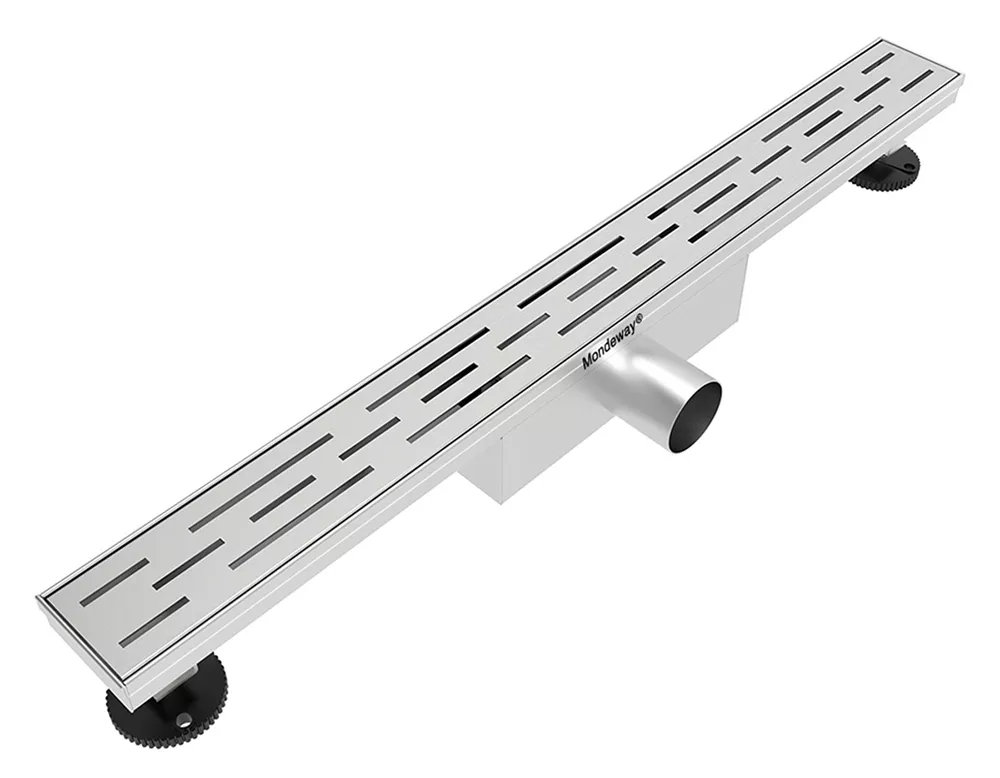
PVC Shower Drain Flange Framework for Hidden Floor Interfaces
Reference Standard: Relevant material and performance testing standards for plastic drainage components, including supplier-confirmed PVC material specifications, dimensional inspection, air or water leakage validation, and project-specific plumbing code requirements. Catalog evidence confirms Mondeway’s shower drain and floor drain scope, PVC/ABS raw material use in drain production, plastic injection capability, air leakage testing for all drains, ISO 9001 management, and listed CE EN1253-1, CUPC, and Watermark certificates; it does not separately publish a dedicated SKU test report for a PVC shower drain flange. :contentReference[oaicite:0]{index=0}
Short Answer
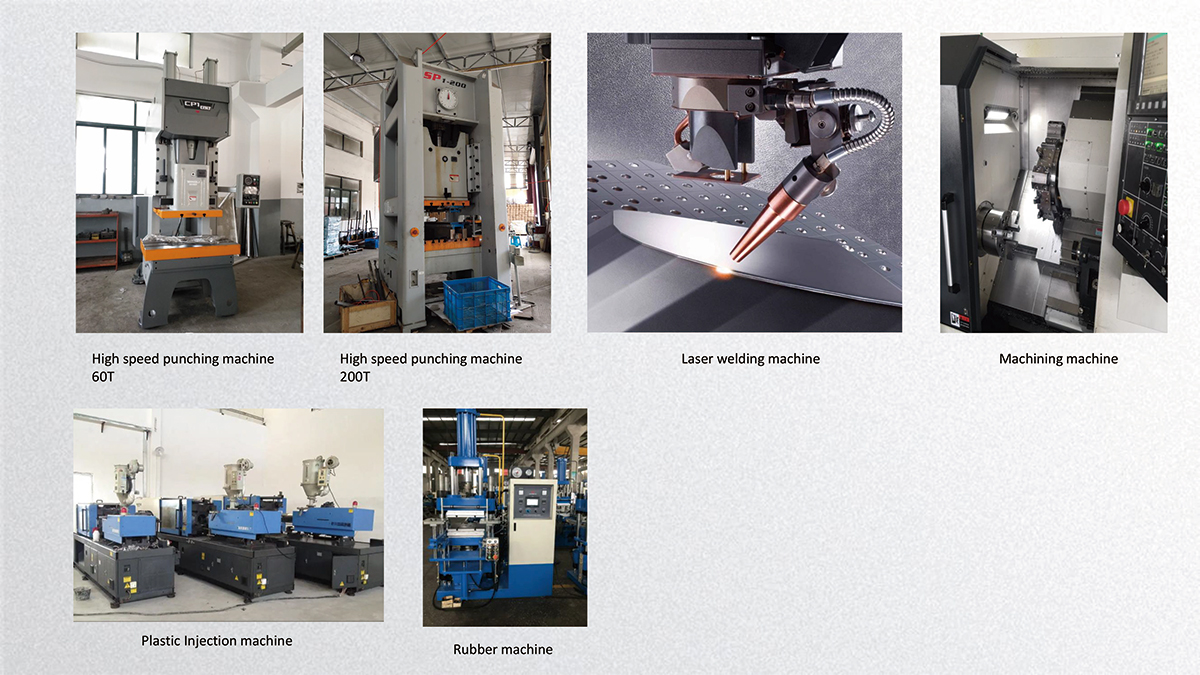
A shower drain flange sits where the finished bathroom surface, waterproofing layer, and drainage connection all depend on one small interface staying stable after installation. That is why a plastic flange cannot be judged only by appearance. In the Mondeway catalog, the confirmed product boundary is shower drains and floor drains for shower-room use, with drain production raw materials listed as SS304, SS316, ABS, and PVC. The same catalog also shows related production and verification resources, including a Plastic Injection machine, Moulds area Machine, Machining machine, and an Air test machine used to test leakage for all drains. Those facts support a specification-led discussion, but they do not allow anyone to invent hidden flange dimensions, pressure ratings, outlet sizes, or temperature grades.

Why pvc shower drain flange Selection Starts Below the Finished Floor
A PVC shower drain flange should be understood from the underside of the finished floor upward. Once the tile, screed, waterproofing membrane, and drain connection are installed, the flange becomes difficult to inspect directly. A buyer may see only the top drain cover or the visible drain body, yet the real performance boundary is often hidden in the floor build-up. The flange helps define how the drain body, pipe connection, waterproofing interface, and surrounding floor materials align around one fixed opening.
The catalog confirms that Mondeway’s product range includes Shower Drains and Floor drains, and its production line lists PVC among the raw materials for drain production. This is enough to establish that PVC can be part of the drain manufacturing scope. It is not enough to state a specific flange diameter, thickness, socket format, solvent-weld standard, or load rating. A reliable article must keep that boundary clear: the catalog supports the material and production context, while project drawings must confirm the actual flange geometry.
The hidden-floor perspective changes the buyer’s first question. Instead of asking only whether the drain looks neat, the buyer should ask: Where does the flange sit relative to the finished surface? Where does the waterproofing layer terminate? How is the pipe interface confirmed? What surface of the flange provides the sealing or bonding contact? If a supplier cannot answer those questions with drawings or a sample, the buyer is working with assumptions rather than specification control.
An edge-case model helps illustrate the risk without inventing a product rating. Imagine a bathroom where the flange is installed before final floor finishing, then exposed to repeated trades: waterproofing work, tile setting, cleaning, and final drain assembly. During the early stage, the flange is only a positioning component. During the middle stage, it becomes a boundary between wet construction materials and the drainage opening. During the final stage, it is locked under finished surfaces and becomes a service-risk component. If its plane, pipe alignment, or sealing face is not confirmed before installation, the final bathroom may look complete while the hidden interface remains uncertain.
A cross-dimensional comparison makes the same point. A stainless steel linear drain is often judged by visible forming, welding, brushing, and surface treatment. A PVC shower drain flange is different: its most important value is not a decorative surface but repeatable interface geometry. The catalog shows high-capacity metalworking assets such as a 200T high-speed punching machine and 3200x100T bending machine, but those are not the central proof for a PVC flange. For a plastic flange, the more relevant evidence is the existence of plastic injection, mould management, machining support, and drain leakage testing. The buyer must separate general factory strength from the specific production route that controls plastic interface parts.
The Compression Zone of a pvc shower drain flange Before Any Water Reaches the Outlet
Before water reaches the outlet, the flange has already done much of its work. Its edge, contact surface, pipe interface, and surrounding installation materials form a compression zone. This zone is where the flange is pressed, seated, bonded, clamped, or otherwise held in relation to the drain opening and waterproofing structure. In a PVC component, the behavior of that compression zone depends on material stiffness, molded shape consistency, flatness, circularity, and the quality of the mating surfaces.
PVC is a plastic material, so its performance logic differs from metal. A metal drain part may be evaluated through welding cleanliness, surface passivation, or bending accuracy. A PVC drain flange is more dependent on molded geometry and contact stability. During injection molding, the cavity shape, cooling behavior, and demolding consistency influence whether a part maintains a predictable edge and sealing plane. The catalog confirms the presence of a Plastic Injection machine, Moulds area Machine, and Machining machine, which are relevant to this type of geometry control. The catalog does not publish a specific shrinkage rate, resin formulation, or flange tolerance, so those figures must be confirmed from supplier drawings or inspection sheets.
The compression-zone model can be tested conceptually across three stages. In the initial stage, the flange must sit cleanly against the intended mating surface. Minor burrs, warped edges, uneven flange planes, or out-of-round pipe interfaces can create local high spots. In the middle stage, installation pressure and wet-area movement may concentrate stress at those high spots, especially if the pipe connection is slightly misaligned. In the extreme stage, the assembly may remain visually unchanged while the interface loses uniform contact. The result is not always an immediate visible failure; it may begin as a local weakness around the boundary where water, cleaning residues, and thermal cycling repeatedly reach the same interface.
A useful comparison test is to place a metal drain body and a PVC flange under the same inspection mindset. The metal component often asks: Is the weld clean? Is the surface restored? Is the brushed finish consistent? The PVC flange asks: Is the molded plane stable? Does the pipe interface match the project requirement? Are the edges free of molding defects? Does the sealing surface remain continuous after sample fitting? These are different questions, and mixing them creates poor procurement judgment.
The catalog also describes OEM and ODM customization, including a process from concept, drawing, prototype, mould, trial production, and products. That process matters because the compression zone cannot be fully validated from a product name alone. A buyer should request the drawing first, then confirm whether the sample matches the drawing in the real contact areas. If the project needs a special pipe interface or waterproofing connection, it must be confirmed before mould or batch production decisions.
KEY TAKEAWAYS
- A flange that looks acceptable from above can still have an unverified hidden contact plane below the finished floor.
- Uneven molded edges, poor circularity, or unconfirmed pipe fit can weaken the compression zone before drainage begins.
- Supplier capability should be linked to plastic molding and sample-fit validation, not only to general drain production.
How Factory Evidence Changes pvc shower drain flange Procurement Questions
A buyer should not reduce the procurement question to “Will this flange leak?” That question is too broad and often impossible to answer honestly without drawings, samples, installation details, and test conditions. The more useful question is: Can the supplier show that a leakage-control process exists for drain products, and can that process be applied or adapted to the required PVC flange assembly?
The catalog provides relevant but bounded evidence. It states that an Air test machine is used and that the company tests leakage for all drains. The drain production line also states that leakage problems are tested by air for fast and safe quality control. These statements are important because they show a drain-related leakage-control practice. Still, the catalog does not separately state that every PVC shower drain flange SKU has an individual published air-test report, water-test report, or certificate. Treating a general factory process as a confirmed SKU-level claim would overstate the evidence.
Factory evidence should reshape the buyer’s checklist. Instead of accepting a product photo, request a drawing. Instead of asking only for material, request material confirmation tied to the exact part. Instead of assuming pipe compatibility, ask for the matching pipe standard, outlet geometry, and assembly method. Instead of relying on certification logos shown in a catalog, ask which certificate applies to the exact drain model, assembly, market, and test scope. For international B2B buying, this distinction prevents a common mistake: using a company-level capability as proof of a product-level requirement.
A cross-variable comparison is useful here:
| Procurement Question | Confirmed Catalog Support | What Still Requires Supplier Confirmation | Risk if Ignored |
|---|---|---|---|
| Is PVC part of the drain production material scope? | Yes, PVC is listed in drain production raw materials | Exact resin grade and part-specific material sheet | Material assumption without traceability |
| Is leakage testing part of drain QC? | Yes, air leakage testing for all drains is stated | Test method for this flange or assembly | False confidence in interface sealing |
| Is plastic forming capability visible? | Yes, Plastic Injection machine and mould area are shown | Part drawing, tolerance, sample dimensions | Poor fit at pipe or sealing surface |
| Are certificates shown? | CE EN1253-1, CUPC, ISO9001, Watermark appear in catalog | Certificate scope for the exact SKU and market | Misuse of compliance language |
| Is packing capability stated? | Export standard and customized packing are mentioned | Packaging design for plastic flange deformation prevention | Damage before installation |
An edge-case procurement model can be imagined for a distributor supplying multiple bathroom projects. In the first project, installers may adapt the flange successfully because the pipe interface happens to match. In the second project, a different floor build-up exposes a height or contact mismatch. In the third project, a batch is stored under load and some plastic parts arrive with subtle deformation. None of these scenarios require a dramatic material failure. They are normal procurement risks when the product is specified by name rather than by drawing, sample, interface, and QC requirement.
For additional background, buyers can compare supplier data with recognized plumbing and drainage frameworks from organizations such as IAPMO or code-development bodies such as the International Code Council. These links should not replace supplier documents; they help buyers understand why market, code, and product-scope confirmation matter before importing or specifying drain components.
A Specification Checklist for pvc shower drain flange Without Inventing Hidden Numbers
A responsible specification for a PVC shower drain flange must start by saying what is not confirmed. The available catalog does not publish the flange’s exact size, thickness, outlet dimension, temperature rating, pressure rating, flow capacity, solvent-cement compatibility, waterproofing membrane system, or single-SKU test report. That absence is not a weakness if handled correctly. It simply means the buyer must convert those unknowns into a structured request for confirmation.
The catalog does provide real company and process data. It mentions ISO 9001 Management and stable quality control, listed certificates including CE EN1253-1, CUPC, and Watermark, a 15-30 days fast delivery statement, and a monthly capacity of 30,000 sets. It also states that packing can follow export standards and that customized packing is acceptable. These are useful procurement signals. They should be described as factory, management, capacity, and packaging evidence, not as hidden performance parameters for the flange itself.
A practical acceptance framework should cover four solution layers.
1. Drawing-led material and interface confirmation.
Execution Protocol: Request the product drawing before price approval. The drawing should identify the material, visible interface geometry, pipe connection area, sealing surface, and any installation boundary relevant to the shower floor. If the supplier cannot provide a drawing, the buyer should at least request a measured sample record and project-specific compatibility notes.
Expected Material Behavior: Once the drawing is confirmed, PVC behavior can be judged through geometry control rather than vague material claims. The buyer can inspect flatness, edge condition, circularity, and contact surfaces against the intended assembly.
Hidden Cost and Side-Effect Control: Drawing confirmation may slow the first order, but it reduces expensive jobsite improvisation. The buyer should prevent over-specification by asking only for necessary dimensions and performance confirmations.
2. Sample fit check before batch commitment.
Execution Protocol: Test a sample with the actual mating pipe, waterproofing approach, and drain body where possible. The sample should be checked for seat stability, contact continuity, edge defects, and whether installation pressure creates visible distortion.
Expected Material Behavior: A PVC flange that fits correctly should maintain contact without obvious rocking, edge lift, or forced misalignment. This is a physical inspection, not a substitute for formal testing, but it reveals many early interface errors.
Hidden Cost and Side-Effect Control: Samples can mislead if they are not from the same process route as batch production. Ask whether the sample is prototype, trial production, or normal production.
3. Leakage-control request linked to the actual assembly.
Execution Protocol: Because the catalog states air leakage testing for all drains, ask whether the supplier can apply air or water leakage validation to the required assembly or drain configuration. Define the test boundary in writing.
Expected Material Behavior: Testing does not make PVC stronger, but it verifies whether the assembled interfaces hold under the selected inspection condition. It converts visual approval into functional screening.
Hidden Cost and Side-Effect Control: A test without defined assembly conditions can be meaningless. The buyer should specify whether the pipe joint, flange seal, drain body, or full assembly is being checked.
4. Export packing against plastic deformation.
Execution Protocol: Confirm packaging before shipment, especially if flanges are nested, stacked, or shipped with heavier drain components. Use customized packing if the shape or sealing plane needs protection.
Expected Material Behavior: Good packing helps the plastic part arrive closer to its intended molded geometry. It reduces the chance of transport pressure creating edge bend, stress marks, or local deformation.
Hidden Cost and Side-Effect Control: Overpacking increases freight volume. The practical target is not luxury packaging but protection of the functional plane and pipe interface.
| Inspection Area | General Acceptance Logic | Typical Test or Check | Evidence Boundary |
|---|---|---|---|
| Material identity | Confirm PVC is used for the exact part | Supplier material confirmation | Catalog confirms PVC in drain raw materials, not the exact flange grade |
| Interface geometry | Match drawing to project connection | Drawing review and sample measurement | Dimensions must come from supplier data |
| Contact surface | Avoid burrs, high spots, and warping | Visual and flatness inspection | No catalog tolerance published |
| Leakage control | Verify assembly behavior where required | Air or water leakage test request | Catalog confirms air testing for drains |
| Packing protection | Prevent deformation before installation | Export or customized packing review | Catalog confirms packing options |
| Certification scope | Avoid logo-based assumptions | SKU and market certificate check | Catalog lists certificates but not flange-specific scope |
PRO-TIP / CHECKLIST
- Ask whether the quoted part is PVC, ABS, or another plastic material.
- Request a drawing before approving the flange for a project.
- Confirm pipe compatibility instead of assuming a universal connection.
- Inspect the sealing surface, edge condition, circularity, and molded finish on samples.
- Ask whether air or water leakage testing can be performed for the actual assembly.
- Confirm whether certificates apply to the exact SKU, market, and drain configuration.
- Review packaging if the flange surface or pipe interface could deform in transit.
- Keep unconfirmed dimensions out of marketing copy and technical datasheets.
Frequently Asked Questions (FAQ)
How to fix wash basin to wall?
A wall-mounted basin should be fixed according to its wall type, bracket design, anchor specification, and plumbing layout. Do not transfer shower drain flange assumptions to basin installation. For B2B procurement, request the basin drawing, wall-fixing method, load guidance, and mounting hardware confirmation.
How to unclog a shower drain with baking soda?
Baking soda and vinegar may help loosen light organic residue in some household drains, followed by hot water flushing. It is not a structural repair method. If water appears around the drain edge or floor interface, the issue may involve sealing, waterproofing, or flange connection rather than ordinary clogging.
How to clear a slow shower drain?
Start with removable hair and debris, then check the trap and drain opening. If slow drainage repeats after cleaning, inspect slope, outlet compatibility, and pipe condition. For a PVC shower drain flange project, slow drainage should not be blamed on the flange without confirming the full drain assembly.