
Stainless Steel Hand Wash Basins Deep Dive
Reference Standard: Relevant material and performance testing standards, including ISO 9001 quality management principles and stainless steel passivation logic aligned with ASTM A967/A967M.
Short Answer
Stainless steel hand wash basins sit at a different risk point from many bathroom accessories. A shower niche may be judged by storage comfort, a drain by outlet behavior, and a waterproofing part by sealing continuity. A hand wash basin is judged every day by visible cleanliness, edge touch, splash behavior, wiping marks, and whether the installed unit still looks hygienic after repeated public use.
The catalog positions Mondeway as a manufacturer of bathroom accessories, including SS Basin, Shower Basins, shower drains, shower niches, shower handrails, shower seats, towel warmers, shower tray boards, and waterproofing materials. It also states that materials include stainless steel, plastic, rubber, iron, and brass, while the production line highlights SS304, SS316, ABS, and PVC. That gives the article a clear factual boundary: the product can be discussed through stainless steel basin manufacturing capability, but exact basin geometry must remain a drawing-confirmed item.
For buyers, the strongest specification question is not “Is it stainless steel?” The more useful question is: can the supplier control the full chain from sheet forming to weld cleaning, surface finishing, logo marking, packing, and inspection without leaving visible defects in the zones that users touch and cleaning teams wipe every day?
Stainless Steel Hand Wash Basins as a High-Turnover Hygiene Fixture, Not Just a Bathroom Basin
A stainless steel hand wash basin in a hotel restroom, public toilet, apartment corridor wash area, medical support zone, or commercial hand-cleaning station is not used like a private decorative sink. It becomes a high-frequency hygiene checkpoint. Each user cycle can include water impact, soap residue, fingertip contact, towel wiping, disinfectant exposure, and visual judgment. Over hundreds or thousands of cycles, small surface differences become operational signals.
The catalog confirms that the manufacturer works in bathroom accessories and shower-room products for markets including Europe, the USA, and Australia. This matters because public and commercial sanitary spaces tend to punish weak finish control faster than low-use residential bathrooms. A basin may still function structurally while already failing the buyer’s visible hygiene expectation. Water spots, dull patches, yellow weld zones, and scratches can be interpreted by end users as dirt, even when the stainless steel body remains usable.
The material basis is important. SS304 is widely used for indoor stainless steel sanitary products because it resists general moisture exposure better than plain carbon steel. SS316, with stronger resistance in more aggressive environments, is more suitable when humidity, cleaning chemicals, or chloride exposure become more severe. The catalog confirms SS304/SS316 as a production material focus, but it does not specify which grade is used for each basin SKU. That means a procurement document should require grade confirmation at quotation or drawing stage.
Extreme scenario model: imagine a commercial wash area where the basin is wiped every 30 minutes during opening hours, exposed to soap film, tap water minerals, and occasional disinfectant overspray. In the first stage, surface defects appear as water marks and uneven reflection. In the middle stage, unpolished weld edges or untreated heat-tint areas show yellowing or dark staining. In the stress stage, rough edges and scratches trap residue and become harder to clean consistently. This model does not require invented product dimensions; it follows the confirmed stainless steel and surface-treatment context.
A useful comparison test for buyers is simple: compare a basin sample after three cleaning passes with water only, neutral detergent, and a stronger bathroom cleaner. The goal is not to prove a universal chemical rating; the catalog does not provide that. The goal is to observe visible residue retention, wipe direction marks, edge feel, and whether welded or folded zones clean at the same speed as open flat areas.
This is also where internal sourcing pages can help buyers understand the supplier context. A buyer reviewing stainless steel sanitary product capability may start from the Mondeway bathroom accessory manufacturer overview and then request SKU-level basin drawings, material confirmation, and finish samples.
The Buyer’s Specification Boundary: What the Catalog Confirms and What Still Needs Drawing Approval
The strongest article angle for stainless steel hand wash basins is the specification boundary. The catalog provides enough evidence to discuss production readiness, but not enough to invent a finished basin data sheet.
Confirmed by the catalog:
– Product range includes SS Basin and Shower Basins.
– Material capability includes stainless steel and production-line focus on SS304/SS316.
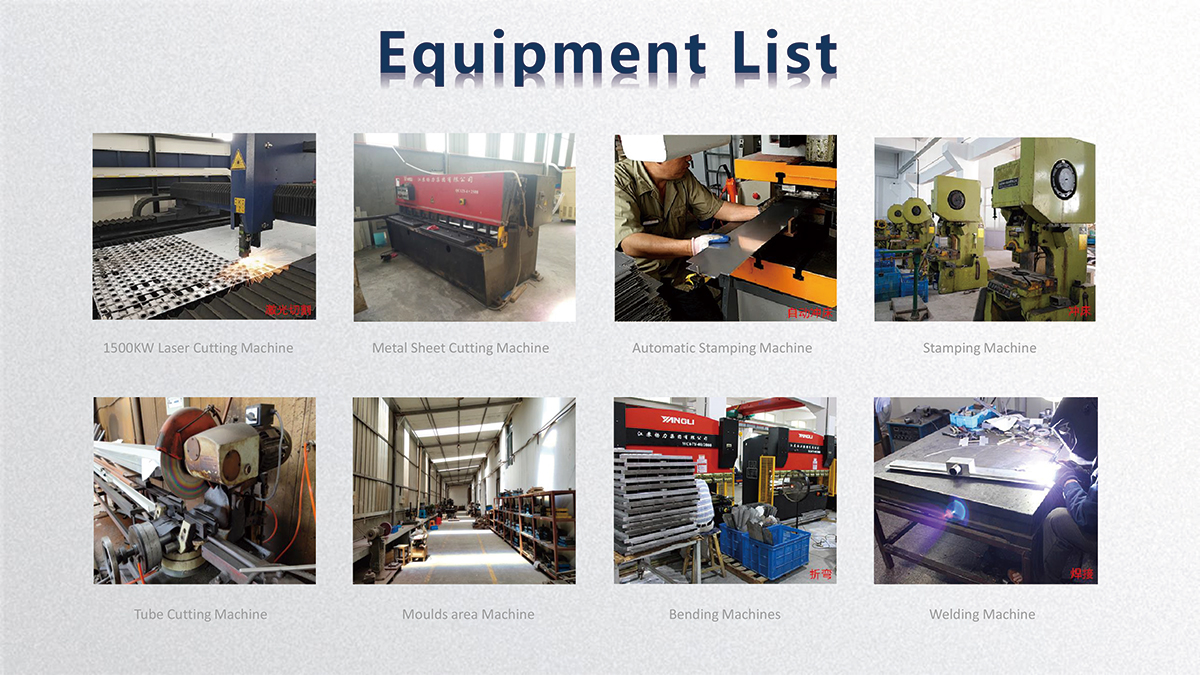
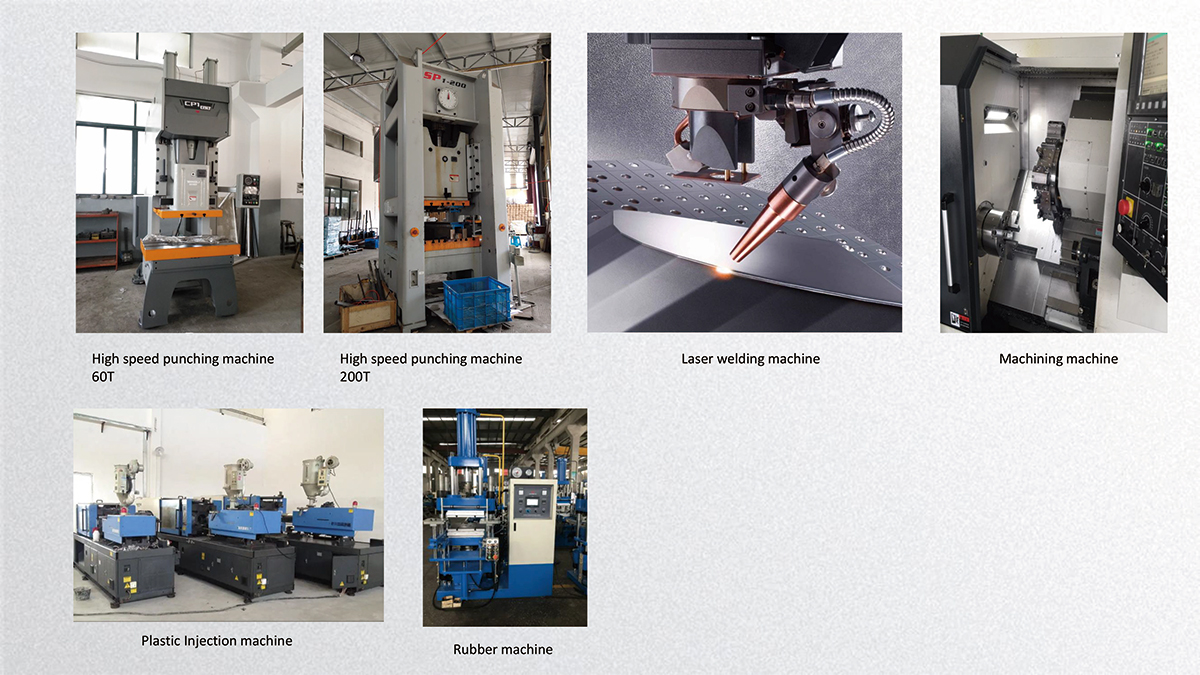
– The workshop includes stamping, laser cutting, bending, welding, surface treatment, laser logo, and export packing.
– OEM and ODM orders are accepted.
– The customization process includes concept, drawing, prototype, mould, trial production, and products.
– Surface treatment includes pickling, electrical polishing, and passivation.
– Packing can follow export standard or customized requirements.
Not confirmed by the catalog:
– Basin thickness.
– Bowl dimensions.
– Mounting style.
– Wall bracket layout.
– Drain outlet diameter.
– Faucet hole configuration.
– Splashback height.
– Edge radius.
– Load rating.
– Chemical exposure rating.
That distinction is not a weakness; it is a procurement control point. A commercial buyer should not treat a catalog mention of SS Basin as a final installation drawing. The basin should move through a drawing-first confirmation path: concept, drawing, prototype, trial production, and final product approval. The catalog already describes that type of customization sequence, so the safest SEO content should reflect that process rather than pretending that every dimension is known.
Extreme scenario model: a hotel contractor orders stainless steel wash basins for several restroom layouts. If the faucet hole, drain alignment, or wall clearance differs by even a small amount from the site requirement, the problem is not material failure; it is a specification mismatch. Stainless steel may be durable, yet the project can still fail if the basin geometry does not match the installation environment. This is why the confirmed drawing and prototype sequence is more relevant than generic claims about corrosion resistance.
| Procurement Item | Catalog Status | Buyer Action | Risk if Ignored |
|---|---|---|---|
| Stainless steel material capability | Confirmed | Request grade per SKU | Wrong grade for use environment |
| Basin dimensions | Not confirmed | Require drawing approval | Installation mismatch |
| Surface finish route | Confirmed generally | Request finish sample | Visible inconsistency |
| OEM logo support | Confirmed | Confirm logo position | Branding error |
| Export packaging | Confirmed generally | Request packing method | Transport scratches |
The cross-dimensional comparison here is between material approval and installation approval. Material approval answers whether stainless steel capability exists. Installation approval answers whether the basin can fit the wall, counter, trap, faucet, and cleaning routine. For stainless steel hand wash basins, both are required. A buyer who approves only the metal grade but not the drawing may still face rework on site.
Cleanability Is a Procurement Metric: Managing Touch Zones, Weld Marks, and Visible Finish Consistency
Cleanability is not the same as corrosion resistance. A basin can resist rust better than painted steel and still look unacceptable if its visible zones retain water marks, show weld discoloration, or collect residue around rough edges. For high-turnover sanitary fixtures, the cleaning team becomes an unplanned inspection department. Any surface that requires extra wiping time becomes a cost signal.
The catalog gives a useful factual basis for this angle. It states that welded drains can become dirty on the surface, with oil, scratches, yellow spots, and similar issues after welding. While that sentence is written in relation to drains, the material and process logic is relevant to welded stainless steel bathroom products in general. Stainless steel welding creates heat-affected zones. Heat tint can reduce the quality of the chromium-rich passive surface if not cleaned and treated correctly. Oil from fabrication, scratches from handling, and burrs from cutting or forming can also remain visible if finishing control is weak.
The factory fix described in the catalog is in-house surface treatment. It refers to a 2,000 square meter surface treatment workshop including pickling, electrical polishing, and passivation. It also mentions removing burrs, making brushed surface in-house, and controlling surface treatment by itself. For basins, that points toward a practical buyer checklist: inspect the rim, inner bowl, weld-adjacent areas, drain-adjacent area, logo zone, and packed contact surfaces.
Extreme scenario model: during the first week of use, a basin with weak finish control may only show slight reflection differences. After repeated cleaning, the rougher zones begin to hold detergent streaks. In a more severe stage, heat-tint zones or unpolished weld-adjacent areas can appear darker than surrounding stainless steel. At the limit stage, cleaning time increases because residue remains in micro-scratches, corners, or burrs. The product may still drain and hold water correctly, but the hygiene perception declines.
A cross-dimensional comparison should test surface finish against cleaning labor. Two samples made from similar stainless steel can behave differently under wiping. Sample A with smoother treated surfaces may release soap film quickly. Sample B with visible micro-scratches may need extra pressure and repeated wiping. The difference is not only cosmetic; it affects labor time, inspection consistency, and complaint risk in public spaces.
KEY TAKEAWAYS
- Yellow or dark weld-adjacent marks can signal insufficient post-weld surface cleaning.
- Rough rim edges and burrs create both touch discomfort and residue retention points.
- Uneven brushing direction can make a clean basin look stained under restroom lighting.
A basin specification should state what surface zones matter most. The inner bowl, front rim, hand-contact edge, faucet deck, and drain-adjacent area should receive stricter visual inspection than hidden surfaces. If an OEM logo is applied, the logo area should also be checked for marking clarity, discoloration, and scratch transfer during packing.
Factory Readiness for OEM Stainless Steel Hand Wash Basins: Capacity, Process Nodes, and Packaging Control
For OEM stainless steel basin buyers, factory readiness is not proven by one polished sample. It is proven by whether the supplier can repeat the same result through forming, welding, surface treatment, marking, inspection, and packaging.
The catalog provides several factory-level signals. It mentions many stamping machines, with the biggest one at 200 tons, laser cutting for customized orders, bending machines with the biggest size listed as 3200x100T, self-developed welding machines, welding workers, laser welding, in-house surface treatment, laser logo acceptance, export standard packing, and customized packing. It also states 15-30 days fast delivery, 30,000 sets per month capacity, two factories, more than 80 employees, and 8000 square meters. ISO 9001 management and certificates such as CE, CUPC, and Watermark are also shown in the broader company context.
These facts should be used carefully. They support supplier capability, not a basin-specific performance guarantee. A responsible OEM article should say that certification scope, SKU applicability, and test relevance must be confirmed before procurement.
Four Factory-Level Solutions for Basin Procurement Control
1. Drawing-first specification release
Execution Protocol: The buyer should request drawings before sample approval, covering bowl shape, mounting interface, drain position, faucet hole needs, rim design, visible surface areas, and packaging contact points. The drawing must be approved before prototype or trial production, matching the catalog’s concept-to-drawing-to-prototype customization flow.
Material Expected Evolution: Drawing approval does not change stainless steel chemistry, but it reduces mechanical rework. Fewer late-stage modifications mean fewer extra scratches, fewer forced adjustments, and less risk of surface damage after finishing.
Hidden Cost and Risk Control: The added cost is longer early communication. The avoided cost is much larger: wrong hole locations, incompatible installation clearance, and packaging that contacts visible surfaces.
2. Post-weld surface restoration
Execution Protocol: After welding or forming operations, visible zones should be inspected for oil, scratches, yellow spots, and heat marks. The catalog-supported route includes pickling, electrical polishing, and passivation, with brushed finishing where required.
Material Expected Evolution: Proper cleaning and passivation help restore a more stable stainless steel surface condition. The surface becomes more consistent in appearance and less likely to hold visible fabrication residue.
Hidden Cost and Risk Control: Over-processing can change visual texture if not controlled. Buyers should approve finish samples and define acceptable brushing direction, gloss level, and visible-zone criteria.
3. Edge and touch-zone inspection
Execution Protocol: Inspect the rim, corners, drain-adjacent area, faucet deck, and exposed mounting sides by both visual and hand-feel checks. Burr removal must be confirmed after cutting and forming.
Material Expected Evolution: Removing burrs does not alter the base grade, but it reduces residue traps and improves user safety. A smoother edge also lowers cleaning cloth snagging and packaging abrasion.
Hidden Cost and Risk Control: Excessive edge polishing can change geometry or weaken the intended line. Inspection should balance comfort, shape consistency, and surface uniformity.
4. Export packaging validation
Execution Protocol: Use export-standard or customized packing, both of which are supported by the catalog. The buyer should verify whether visible stainless steel surfaces are protected from rubbing, stacked pressure, corner impact, and logo-area abrasion.
Material Expected Evolution: Packaging does not improve stainless steel performance, but it protects the finished passive and brushed surfaces during transit. This preserves the visual quality that surface treatment created.
Hidden Cost and Risk Control: Overly tight packing can transfer marks to the basin surface. The solution is to approve packing samples, not only product samples.
| Control Variable | Expected Basin Behavior | Practical Tolerance Logic | Verification Method |
|---|---|---|---|
| SS304 or SS316 confirmation | Better alignment with use environment | Grade must match exposure risk | Material certificate or supplier confirmation |
| Post-weld cleaning | Reduced yellow marks and oil residue | Visible zones should be clean and consistent | Visual inspection under stable lighting |
| Burr removal | Safer hand-contact edges | No sharp touch on exposed rim | Hand-feel and edge inspection |
| Brushed finish direction | More uniform appearance | Direction should be consistent on visible faces | Sample comparison |
| Packaging protection | Lower scratch risk in transit | No direct hard contact on visible surfaces | Drop, rub, and unpacking check |
PRO-TIP / CHECKLIST
- Confirm whether the basin SKU uses SS304 or SS316 before approving price.
- Request drawings for dimensions, mounting, drain position, and faucet configuration.
- Ask for a finish sample showing the exact brushed or polished surface.
- Inspect weld-adjacent zones for yellow marks, oil residue, and uneven reflection.
- Check all hand-contact edges for burrs or sharpness.
- Approve export packaging with visible-surface protection, not only carton design.
- Confirm whether logo marking is laser-applied and where it appears.
- Treat certificates as scope-dependent and verify relevance to the ordered item.
Frequently Asked Questions (FAQ)
How to replace a pedestal sink with stainless steel hand wash basins?
First confirm wall support, drain alignment, faucet location, and basin mounting style. The catalog does not provide exact basin dimensions, so replacement should not rely on product category alone. Use a supplier drawing and site measurement before removing the old pedestal sink.
How to replace a bathroom drain stopper for a stainless steel basin?
Match the drain stopper to the basin outlet size and waste fitting type. Since the catalog does not confirm outlet diameter for stainless steel hand wash basins, buyers should request the drawing or hardware specification before purchasing replacement drain components.
Can I pour bleach down a stainless steel hand wash basin?
Avoid routine bleach exposure unless the stainless steel grade and cleaning compatibility are confirmed. Chloride-containing cleaners can increase staining or corrosion risk on stainless steel surfaces, especially if residue remains. Use neutral cleaners and rinse thoroughly when no supplier cleaning instruction is available.
Why will my basin drain slowly?
Slow draining is usually related to trap blockage, outlet mismatch, poor pipe slope, or debris in the waste line, not the stainless steel bowl itself. Check the plumbing path first. If the basin is newly installed, confirm the outlet fitting against the approved drawing.
Does a basin drain need a vent?
Drain venting depends on local plumbing code and the waste system layout, not only the basin material. Stainless steel hand wash basins still require proper trap and vent coordination when connected to a building drainage system. Ask a licensed plumber for site-specific confirmation.
How to clear a clogged bathroom drain connected to a stainless steel basin?
Start with mechanical removal of visible debris and avoid harsh chemical overuse. If a cleaner is used, rinse the stainless steel surface quickly and thoroughly. Persistent clogging should be addressed through the trap or waste pipe rather than repeated chemical exposure.