
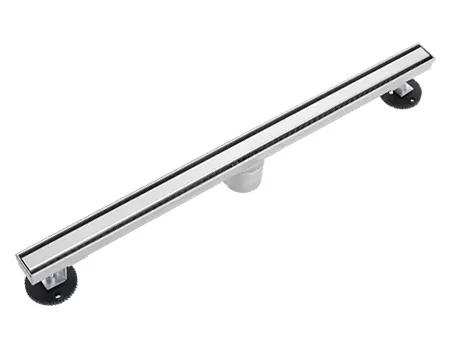
Linear Grid Shower Drain Tips for Project Buyers
Reference Standard: CE EN1253-1, CUPC, Watermark, and ISO9001-backed quality management for drain manufacturing and documentation control.
Short Answer
A linear drain works inside a wet floor assembly where water, cleaning chemicals, tile edges, human foot traffic, and installation tolerance meet in one narrow line. For project buyers, the risk is rarely a single dramatic failure. It is usually a chain of smaller problems: a long body that is not straight enough, a grid edge that feels rough, a welded section that was not cleaned well, a finish that does not match across batches, or a certificate that does not clearly apply to the ordered SKU.
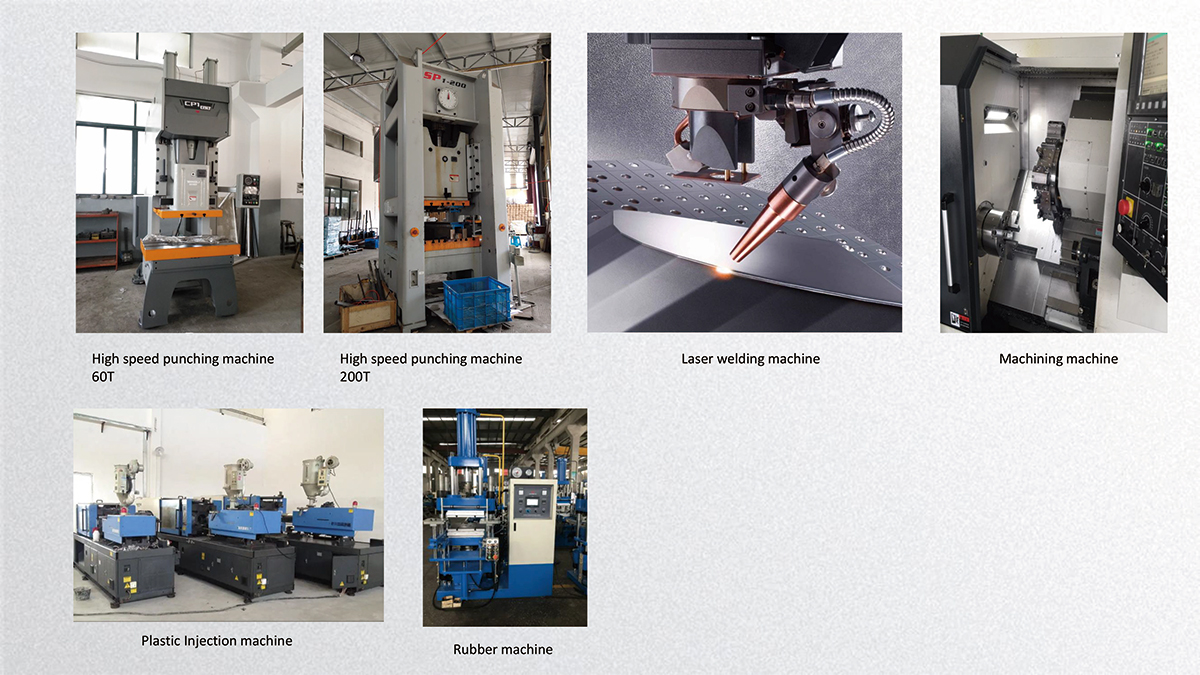
The catalog-backed facts available for this product group are specific enough to build a practical inspection logic. The recorded material scope includes SS304, SS316, ABS, PVC, and broader bathroom accessory materials such as stainless steel, plastic, rubber, iron, and brass. The recorded drain production route includes stamping up to 200 tons, laser cutting, bending machines with the largest listed size of 3200x100T, welding, laser welding, shaping, burr removal, brushed surface processing, sandblasting, black powder coating, matte silver finish, customized logo, OEM/ODM acceptance, export standard packing, and customized packing. The recorded quality and compliance signals include air test leakage inspection for all drains, ISO9001 management, CE EN1253-1, CUPC, and Watermark.
For more background on bathroom drainage accessory supply, buyers can review bathroom drainage accessory manufacturing as a starting point, then request SKU-level drawings, sample photos, and certificate scope before price comparison.
Linear Grid Shower Drain Tips: Treat It as a Long Metal Line Under Bathroom Load
A small point drain can hide minor geometry issues more easily than a long linear component. A linear grid shower drain has a longer visible edge, a longer installed body, and a longer interface with tile, mortar, waterproofing, and cleaning movement. That does not mean it is fragile. It means buyers should judge it as a line-shaped metal element whose quality depends on straightness, edge stability, forming consistency, and repeatable finishing.
The catalog confirms that the manufacturing system includes SS304 and SS316, plus production methods such as stamping, laser cutting, bending, welding, laser welding, and shaping. These are not decorative terms. They describe the physical route by which a flat or formed material becomes a drain body. When stamping and bending are stable, the visible grid area is more likely to sit evenly. When laser cutting is controlled, openings and edges are more predictable. When welding and shaping are managed correctly, the long drain body is less likely to show twist, local distortion, or poor joint alignment.
From a materials perspective, stainless steel performs through a passive surface film. SS304 is commonly used in wet indoor environments. SS316 is often selected when stronger corrosion resistance is required, especially where chloride exposure or aggressive cleaning may be more common. The catalog does not provide chemical composition values or salt spray hours, so those numbers should not be invented. The safe buyer logic is simpler: confirm whether the project requires SS304 or SS316, then ask the supplier to link that material version to the selected model, finish, and certificate scope.
A useful extreme scenario model is a hotel shower floor that receives repeated water exposure, soap residue, cleaning agents, and foot traffic throughout the day. In the early stage, a poorly formed long drain may still look acceptable in photos. In the middle stage, small inconsistencies become visible at the tile interface or along the grid edge. In the late stress stage, any weakness in surface cleaning, burr removal, or weld finishing can become a maintenance complaint because the user sees and touches the drain line every day.
A cross-dimensional comparison is helpful here:
| Buyer Check | Point Drain Logic | Linear Grid Drain Logic | Evidence to Request |
|---|---|---|---|
| Body geometry | Compact shape hides small deviation | Long line exposes straightness issues | Sample photos from top and side |
| Edge quality | Local edge contact | Longer foot and cleaning contact zone | Burr removal confirmation |
| Material choice | Often judged by visible cover | Must match wet-zone exposure and finish | SS304 or SS316 confirmation |
| Production route | Limited visible forming area | Stamping, cutting, bending, welding all matter | Process photos or sample review |
| Certification | May be checked by category | Must be checked by ordered SKU | Certificate scope and model match |
Buyer verification question: Can you confirm the ordered linear grid shower drain material version, forming process, and sample straightness before production approval?
KEY TAKEAWAYS
- A long drain line makes small forming inconsistencies more visible than a compact drain.
- SS304 and SS316 should be confirmed by SKU, not assumed from a general catalog claim.
- Burrs, local twist, and uneven finish are early warning signs before larger installation complaints.
The Hidden Manufacturing Sequence Behind a Clean Grid Surface
A clean grid surface is the final result of many earlier manufacturing decisions. It should not be judged only by a polished product photo. The catalog-supported sequence is practical: raw material selection, stamping or laser cutting, bending, welding or laser welding, shaping, burr removal, brushed surface processing, surface treatment, logo marking, and packing. Each step leaves evidence that a buyer can verify.
The catalog records stamping machines up to 200 tons and bending machines with the largest listed size of 3200x100T. These figures matter because linear drains depend on controlled forming. Heavy stamping capacity helps shape repeated parts consistently, while a large bending capability supports longer formed metal work. This does not prove every model uses the largest machine. It does show that the factory’s drain production line is built around metal forming rather than simple assembly alone.
Laser cutting is especially relevant for grid geometry. A grid drain has visible openings, edges, and repeated lines. If cutting and deburring are not controlled, the surface can look acceptable from a distance but feel rough during cleaning. The catalog also records laser welding and self-developed welding capability with welding workers. Welding creates heat-affected areas, and the catalog directly notes that drains after welding may have oil, scratches, yellow spots, and dirty surface areas that need cleaning. That statement is useful because it acknowledges a real manufacturing problem rather than pretending welded stainless parts come out perfect.
A practical cross-test case is to compare two samples: one reviewed only by top-view photos, and one reviewed through top view, side view, edge touch, outlet inspection, and packaging check. The first sample may pass a visual screen. The second sample reveals whether the grid is straight, whether the body sits flat, whether burrs remain, whether brushed lines are consistent, and whether the product is protected well enough for export shipment.
Extreme use model: In a wet apartment project, the drain may be cleaned with cloth, brush, and bathroom cleaner many times before the first year ends. A burr that was minor at unpacking can become a recurring cleaning snag. A slight finish mismatch that was invisible in a warehouse photo can become obvious under bathroom lighting. A weak packing method can create scratches before installation even begins.
For buyer-side control, each manufacturing step should produce a question:
- Raw material: Is this SKU SS304 or SS316?
- Cutting: Are the grid edges deburred after cutting or stamping?
- Bending: Can the supplier show side-view sample photos?
- Welding: How are welded areas cleaned before finishing?
- Surface: Is the finish brushed, matte silver, black powder coated, sandblasted, or another color?
- Packing: Is export standard packing used, and can customized packing be specified?
Buyer verification question: Can the supplier show the production route from raw material to packing for the exact linear drain model being quoted?
Surface Treatment Is a Specification, Not a Cosmetic Option
Surface treatment is often discussed as color, but for a stainless steel shower drain it is also a specification issue. The catalog records an in-house 2000 square meter surface treatment workshop and names pickling, electrical polishing, and passivation. It also states that welded drains can show oil, scratches, yellow spots, and surface dirt, and that pickling helps clean the surface so it appears silver. This is a strong information point because it connects the visual result to a real post-welding process.
In wet bathrooms, the surface is exposed to water, soap residue, shampoo, cleaning agents, and repeated wiping. A brushed linear drain may look premium, but the buyer should ask how the brushed surface is created and controlled. A black powder coated drain may fit a design scheme, but the buyer should ask how color consistency and packaging protection are handled. A matte silver finish may be suitable for many projects, but the buyer should still confirm whether the sample and mass-production batch will be reviewed under the same visual criteria.
This article does not claim any salt spray hour, coating thickness, or chemical recipe because those values are not provided in the catalog data. The practical engineering point is that pickling, electrical polishing, and passivation are meaningful only when they are tied to a specific product surface and inspection process. Stainless steel corrosion resistance depends on the condition and continuity of its passive surface. Welding, scratching, and contamination can disturb that surface, so post-treatment and cleaning are not merely decorative.
A cross-dimensional test case can compare three buyer review paths:
| Review Path | What It Catches | What It Misses | Better Buyer Action |
|---|---|---|---|
| Photo-only approval | General color and style | Burrs, touch feel, weld cleanliness | Request sample or close-up video |
| Sample-only approval | One-piece appearance | Batch consistency | Request batch reference photos |
| Certificate-only approval | Compliance signal | Finish quality of ordered SKU | Match certificate, SKU, and finish |
| Packing-only approval | Shipping protection | Production defects before packing | Combine packing and surface inspection |
| Process review | Manufacturing risk chain | Exact field installation outcome | Add installer feedback after trial |
PRO-TIP / CHECKLIST
- Confirm whether the surface is brushed, matte silver, black powder coated, sandblasted, or another color.
- Ask whether pickling, electrical polishing, or passivation applies to the quoted SKU.
- Request close-up photos of welded areas after cleaning.
- Check whether scratches, oil marks, and yellow spots are listed as rejection items.
- Review the grid edge by touch during sample inspection when possible.
- Confirm packing protection for visible finished surfaces.
- Compare sample finish with the intended mass-production finish before deposit.
Buyer verification question: Which surface treatment steps will be used for this exact finish, and how will the factory judge batch consistency before shipment?
Certification-Ready Does Not Mean SKU-Ready: Ask for Proof Before Ordering
Certification names are useful, but they should not replace SKU confirmation. The catalog records ISO9001 management, CE EN1253-1, CUPC, and Watermark. It also records OEM/ODM orders, customized logo acceptance, customized packing, 15-30 days fast delivery, and monthly capacity of 30,000 sets. These are important procurement signals, yet buyers still need to ask whether the quoted model, material, finish, and market requirement align.
ISO9001 indicates a quality management framework, not automatic approval of every product configuration. CE EN1253-1, CUPC, and Watermark are market-facing compliance references, but a buyer should confirm certificate scope rather than assuming all lengths, finishes, outlets, and custom versions are covered. For general quality management context, buyers may review ISO 9001 quality management principles. For plumbing certification context, buyers can also check organizations such as IAPMO when CUPC-related documentation is part of a project requirement.
A practical order approval model should separate four layers. The first layer is the base model: drain type, grid style, outlet configuration, and intended installation. The second layer is the material version: SS304 or SS316 where stainless steel is specified. The third layer is the surface version: brushed, matte silver, black powder coated, sandblasted, or other color. The fourth layer is the documentation layer: certificate name, certificate scope, model match, packing requirement, logo requirement, and sample approval.
Execution Protocol 1: Material and SKU lock
Before price approval, request the material grade for the exact SKU and finish. If the project calls for higher wet-zone corrosion resistance, ask whether SS316 is available for that model. The expected material behavior is improved alignment between environment and material selection, reducing the chance that a buyer approves a finish without confirming the base metal. The hidden cost is slower quotation review, but it prevents later disputes about what was actually ordered.
Execution Protocol 2: Forming and edge review
Request top-view, side-view, and close-up edge photos or a physical sample. The expected physical result is better detection of long-line straightness, burr removal, and local deformation. The hidden cost is sample time, but it can prevent project-wide installation complaints once tile work begins.
Execution Protocol 3: Surface treatment confirmation
Ask whether the finish involves pickling, electrical polishing, passivation, brushing, powder coating, or another route. The expected performance benefit is more predictable appearance and cleaner welded areas. The side risk is over-specifying a premium finish where a standard finish is enough, so the buyer should match finish requirements to the project environment and visible design level.
Execution Protocol 4: Certificate and packing match
Request certificate documents, packing photos, and confirmation that customized logo or customized packing does not change the compliance or inspection route. The expected procurement benefit is clearer risk control across market entry, shipment, and installation. The hidden cost is document review time, but the result is a cleaner purchase file for contractors, distributors, and compliance teams.
| Approval Layer | Required Evidence | Catalog-Backed Reference | Buyer Risk Controlled |
|---|---|---|---|
| Material | SS304 or SS316 confirmation | SS304/SS316 material focus | Corrosion suitability mismatch |
| Forming | Sample geometry review | 200T stamping, 3200x100T bending | Long-body deformation |
| Surface | Finish and treatment route | Pickling, polishing, passivation | Weld stain and finish inconsistency |
| Leakage | Air test confirmation | Air test for all drains | Outlet or joint leakage risk |
| Compliance | Model-level certificate scope | ISO9001, CE EN1253-1, CUPC, Watermark | Market documentation mismatch |
| Packing | Export or customized packing proof | Export standard packing | Scratch and transit damage |
Buyer verification question: Does the certificate, sample, packing method, logo requirement, material grade, and finish all refer to the same ordered SKU?
Frequently Asked Questions (FAQ)
Can I plunge a shower drain?
Yes, but use care with a linear grid shower drain. Remove the visible grid if the design allows, avoid aggressive force that may disturb nearby seals or tile edges, and confirm whether the blockage is in the drain body or deeper in the plumbing line.
How to install a linear drain in a shower?
Installation should follow the supplier drawing, shower tray or floor build-up plan, waterproofing method, and local plumbing requirements. Before installation, confirm drain length, outlet position, body straightness, material version, and whether the visible grid sits evenly with the tile surface.
How do you fit a shower tray?
A shower tray must be fitted with correct support, slope, outlet alignment, and sealing around the drainage point. When paired with a linear drain, confirm the tray geometry and drain outlet position before fixing the tray, because later adjustment can be difficult.
What should buyers check before ordering a stainless steel linear shower drain?
Buyers should confirm SS304 or SS316 material, surface finish, grid edge quality, weld cleaning, air leakage test practice, certificate scope, packing method, and sample approval. The most important rule is matching every claim to the exact SKU being ordered.
Is black powder coating only a design choice?
No. It is also a specification and inspection issue. Buyers should ask how the black finish is applied, how the factory checks consistency, and how packing protects the visible surface. The catalog records black powder coated finish, but does not provide coating thickness.
Does ISO9001 mean every drain model is certified?
No. ISO9001 supports quality management, but it does not automatically prove every SKU, material, outlet, size, or finish meets every market requirement. Buyers should request the certificate scope and confirm whether CE EN1253-1, CUPC, or Watermark applies to the ordered model.