
Rectangular Shower Drains Safe-Copy Playbook
Reference Standard: Relevant material and performance testing standards should be selected only after supplier-confirmed drawings, material declarations, outlet geometry, and installation scope are available.
Short Answer
Rectangular shower drains often attract search demand from buyers, installers, and homeowners who want a clean wet-room layout, faster drainage, or a more modern bathroom floor detail. In this case, the supplied catalog does not provide verified rectangular shower drain specifications. It does not confirm material, dimensions, flow rate, grate format, outlet diameter, surface treatment, installation accessories, or inspection criteria. That absence is not a writing weakness; it becomes the central control point for a safer, more durable SEO page.
The page should not pretend to know what the catalog does not say. A rectangular drain can be discussed as a product category, a search topic, and a buyer decision area, but not as a verified SKU with proven performance. That distinction protects the content from unsupported claims while still giving useful information to readers who need to understand what must be checked before a quote, sample request, or installation discussion. For broader company context, readers can begin from Mondeway product and business information while treating every unverified drain parameter as pending supplier confirmation.
When a Rectangular Shower Drain Page Has No Verified Specs, What Can Still Be Safely Compared?
The safest comparison is not between metals, finishes, sizes, or drainage speeds. Those would be product claims, and the supplied file does not verify them. The safest comparison is between three information zones: confirmed fields, pending fields, and restricted fields. Confirmed fields are limited to the target topic itself: rectangular shower drains. Pending fields include every missing parameter that a buyer would normally expect, such as material grade, product length, channel width, outlet position, surface finish, grate design, package contents, and applicable test records. Restricted fields are the claims that should not appear as facts, including corrosion resistance, load capacity, high-flow performance, easy-clean structure, stainless steel construction, tile-insert compatibility, or removable grate design when none of those points are verified from the supplied file.
A useful page can still compare information readiness. For example, one product page may have a confirmed drawing, material certificate, outlet drawing, and package list. Another may only have a product name and a photo. Without creating false specifications, the article can show how these two pages create different levels of procurement risk. The measurable data point here is not a physical dimension; it is an evidence completeness ratio. If a typical drain page needs 10 core fields and only 1 is verified, the safe-copy completeness level is 10%, while the other 90% must remain open for supplier input.
A practical edge-case model helps explain the risk. Imagine a project team preparing 50 bathroom product pages in one batch. If 8 pages have verified drawings and 42 pages only have names or generic search keywords, the content system should not apply the same specification template to all 50. The pages with verified drawings can carry physical data. The pages without verified data need a boundary-led structure. In this rectangular shower drain case, the article belongs to the second group. The risk is not that the product category is invalid; the risk is that the page may overstate data that has not been supplied.

A cross-dimensional comparison can be built between reader usefulness and claim exposure. A material table with invented values may look useful but creates high exposure. A buyer checklist with confirmation gaps may look less commercial but creates low exposure and higher editorial trust. In a search environment where users often ask about clogs, bleach, concrete installation, and drainage speed, the article should answer what can be answered generally while separating those answers from unverified product identity.
| Information Field | Status in Supplied File | Safe Page Treatment | Unsafe Page Treatment |
|---|---|---|---|
| Product category | Confirmed as target topic | Discuss as rectangular shower drains | Present as a verified SKU |
| Material grade | Not verified | Mark as supplier-confirmed field | Claim stainless steel or any grade |
| Drainage capacity | Not verified | Ask for test data or project requirement | Promise faster drainage |
| Finish resistance | Not verified | Keep as pending surface data | Claim corrosion or chemical resistance |
| Installation scope | Not verified | Request drawing and accessory list | State concrete or tile-insert compatibility |
A Buyer-Side Risk Map Before Asking for Rectangular Shower Drain Samples
Before asking for samples, a buyer can map risk into four observation zones: visual risk, fit risk, interface risk, and claim risk. These are not product specifications. They are practical areas of uncertainty caused by missing catalog evidence. This is different from an installation guide. It does not tell the reader how to install a drain. It tells the reader what must remain unclaimed until a supplier confirms the missing data.
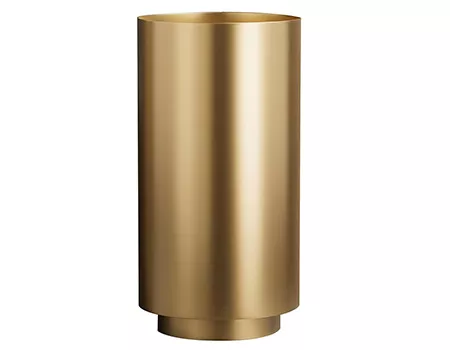
Visual risk concerns what a product photo can and cannot prove. A photo may show a long rectangular shape, a visible top surface, or a bathroom-related context, but it cannot prove material grade, wall thickness, surface coating, outlet diameter, slope compatibility, or factory inspection. Fit risk concerns whether the drain can physically match the project opening, floor build-up, waterproofing layer, and waste pipe position. Since the supplied file does not verify size, outlet geometry, or accessory scope, fit risk cannot be resolved by copywriting. Interface risk concerns every contact point between the drain and surrounding systems: tile edge, waterproofing membrane, sealant, outlet pipe, and floor substrate. Claim risk concerns the marketing language itself. If the page says fast drainage, anti-clog, easy cleaning, corrosion resistant, or suitable for concrete installation without product proof, the content creates avoidable risk.
A useful pre-sample model is a 4-zone uncertainty score. Assign 0 when a zone is not documented, 1 when it is partially shown by image or generic wording, and 2 when it is supported by supplier-confirmed documents. In this case, visual risk may have a search-topic context, but fit, interface, and claim areas remain unverified. A cautious score might be 1/8 or 2/8, depending on whether a real product image later becomes available. The exact score should not be published as a product rating; it should be used internally to decide what questions must be asked before sample approval.
The extreme scenario is a sample ordered from a page that has no confirmed dimensions. The buyer receives a visually acceptable drain, but the outlet does not match the intended pipe route, or the channel length does not match the planned wet area. The failure is not caused by the rectangular shape itself. It is caused by a missing information chain. A cross-dimensional test case compares a photo-based sample request against a drawing-based sample request. The photo-based route may be faster by 1 or 2 days at the inquiry stage, but it can lose much more time after arrival if the sample cannot be assessed against project drawings. The drawing-based route may feel slower at first, yet it reduces rework because each sample can be checked against length, width, outlet position, grate access, and package scope.
KEY TAKEAWAYS
- A clean rectangular appearance does not verify material grade, outlet geometry, or drainage capacity.
- A sample request without a drawing can shift risk from the inquiry stage to the inspection stage.
- Search-friendly terms such as fast drainage or easy cleaning must stay out of factual copy unless the supplier verifies them.
From Search Intent to Safe Copy Blocks for Rectangular Shower Drains
Search queries around shower drains often mix product discovery with maintenance anxiety. People ask how to make a shower drain faster, how to clear a clog, whether bleach can be poured down a drain, and how to install a linear shower drain in concrete. These searches are useful for content planning, but they are not evidence about this rectangular shower drain product. A page can answer the intent while still saying that specific product behavior is not verified from the supplied file.
The best structure is a three-layer copy system: answerable, needs reminder, and cannot promise. Answerable content covers general concepts. For example, slow drainage can be linked to hair, soap residue, pipe slope, trap condition, or outlet restriction in general plumbing contexts. Needs-reminder content tells the reader that chemical cleaner exposure, concrete installation, or outlet matching should be checked against the actual product manual and local plumbing requirements. Cannot-promise content prevents the page from saying that this unverified rectangular drain is faster, clog-resistant, bleach-safe, or ready for concrete installation.
A simple search-intent matrix can convert FAQ demand into safe page blocks:
| Search Query Theme | Safe Response Level | Required Reminder | Claim That Must Not Be Made |
|---|---|---|---|
| Faster shower drain | General troubleshooting | Product flow rate is not verified | This drain increases speed |
| Clogged shower drain | General cleaning logic | Avoid damaging finishes or seals | This product prevents clogs |
| Bleach in drain | Cautious chemical warning | Check material and finish data first | This drain is bleach-safe |
| Concrete installation | Planning-level reminder | Need drawing, outlet, waterproofing scope | This product fits concrete floors |
| Shower set meaning | Clarify term difference | Shower set is not the same as drain | Bundle scope includes a drain |
The edge-case model here is a query-to-claim drift test. Take a search query such as how to install a linear shower drain in concrete. A weak SEO page may turn that into a direct product claim, saying the rectangular shower drain is suitable for concrete. A safer page turns it into a conditional warning: concrete installation depends on the confirmed product drawing, drain body depth, outlet position, waterproofing method, and local plumbing requirements. The difference is not cosmetic. The first version converts user demand into an unsupported specification. The second version uses user demand to identify what documentation is missing.
A cross-dimensional comparison can be made between snippet value and legal clarity. A short FAQ answer may win visibility if it is direct, but it must still avoid unsupported SKU claims. For instance, saying “do not pour bleach unless the drain material and finish are confirmed compatible” is both short and safer than saying “this drain tolerates bleach.” That distinction keeps the answer useful while protecting the product page from unverified chemical-resistance claims.

PRO-TIP / CHECKLIST
- Separate search questions from verified product facts before writing the page.
- Mark material grade, finish, outlet geometry, and drainage capacity as supplier-answer fields.
- Avoid using stainless steel, tile insert, removable grate, or fast-flow language unless the supplier confirms it.
- Treat images as illustrative unless they are tied to a verified SKU, drawing, or inspection record.
- Keep bleach and chemical cleaner answers conditional on material and finish compatibility.
- For concrete installation intent, request the drain body depth, outlet location, waterproofing detail, and accessory list first.
Claim-Safe Publishing Rules for an Unverified Rectangular Shower Drain Page
A page about unverified rectangular shower drains needs publishing rules that prevent accidental overclaiming. Four rules work well: Draft-Limit Rule, Parameter Silence Rule, Illustration Warning Rule, and Supplier-Answer Slot. These names are intentionally different from previous verification systems. They focus on what the page may publish before verified product data arrives.
The Draft-Limit Rule says the first draft may explain search intent, buyer questions, missing fields, and safe confirmation workflow, but it may not present unverified material, size, performance, or factory process as fact. The Parameter Silence Rule says that when a field is not provided in the supplied file, the page should leave it silent or label it as pending. Silence is better than a false specification. The Illustration Warning Rule says every image used before SKU-level proof must be described as illustrative and must not be treated as product proof. The Supplier-Answer Slot creates a visible place where future confirmed data can be added later, such as material declaration, drawing, outlet detail, finish description, package contents, and test reports.
The edge scenario is a content team preparing publication before the sales team receives supplier feedback. Without a rule system, writers may fill gaps with industry assumptions. With the four-rule system, the page can publish as a safe educational playbook while waiting for hard data. The measurable control is a zero-unverified-parameter target. If the page contains 12 physical or performance claims and 8 are not supported by the supplied file, the page fails the control. If it contains zero unsupported parameters and clearly marks pending fields, it passes the first publication layer.
A cross-dimensional test compares two publishing routes. Route A publishes a commercial product page immediately with assumed stainless material, assumed size, and assumed cleaning convenience. Route B publishes a claim-safe playbook that explains what must be confirmed before purchase or installation. Route A may appear more sales-driven, but it creates high correction risk after supplier review. Route B may look more cautious, but it builds trust because it does not invent data. For an unverified rectangular drain topic, trust is more valuable than decorative precision.
The following supplier-answer slots can be added once real evidence is received:
| Supplier-Answer Slot | Data Needed | Publication Use | Risk If Missing |
|---|---|---|---|
| Material declaration | Grade, coating, finish | Material copy and chemical cautions | Unsupported durability claims |
| Dimensional drawing | Length, width, depth | Fit discussion and buyer planning | Installation mismatch |
| Outlet geometry | Diameter, position, direction | Pipe interface discussion | Wrong compatibility language |
| Grate or cover detail | Access method, design type | Cleaning and maintenance copy | False easy-clean claim |
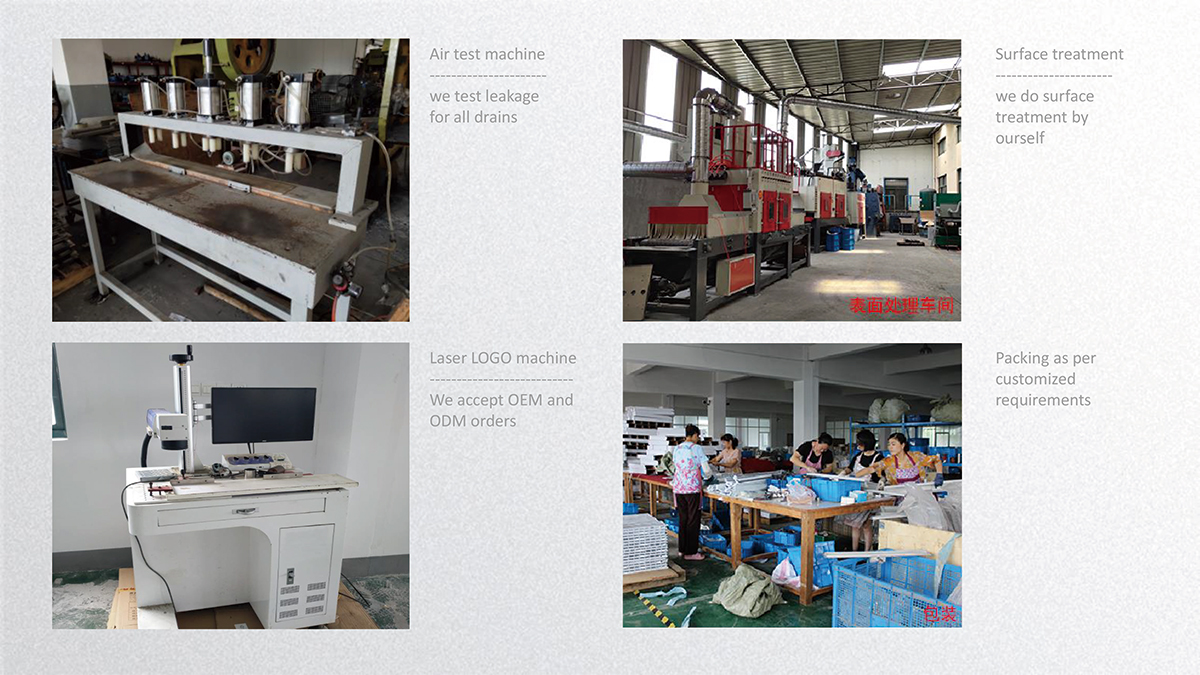
| QC evidence | Inspection method, acceptance criteria | Quality section | Generic quality language |
Until these slots are filled, the article should remain a safe-copy playbook, not a specification sheet.
Frequently Asked Questions (FAQ)
How to make a shower drain faster?
Slow drainage is usually linked to clogging, pipe slope, trap condition, or outlet restriction. For this rectangular shower drain topic, faster drainage cannot be claimed because flow rate and outlet geometry are not verified from the supplied file.
How to clear a shower drain clog?
General clog clearing may involve removing visible hair, using a suitable drain tool, and checking whether soap residue has narrowed the water path. Specific cleaning steps for this product require confirmed grate access, material, finish, and drain structure.
Can I pour bleach down a shower drain?
Bleach use should stay conditional. Without verified material and surface finish data, the page cannot claim bleach compatibility for rectangular shower drains. Chemical exposure may affect finishes, seals, surrounding grout, or connected pipe materials.
How to install a linear shower drain in concrete?
Concrete installation depends on drain body depth, outlet position, waterproofing design, pipe route, and local plumbing requirements. Since these details are not verified in the supplied file, the safe answer is to request drawings before installation planning.
What is a shower set?
A shower set usually refers to components such as a shower head, mixer, hose, rail, or related fittings. It should not be confused with a shower drain unless a supplier-confirmed package list clearly includes the drain.
How to unclog your shower drain?
Start with the least aggressive general method, such as removing visible debris and checking for hair or soap buildup. Do not assume chemical cleaners are safe for a specific rectangular drain until material and finish compatibility are confirmed.
How to clog a shower drain?
This query may reflect curiosity, testing, or misuse. A safe product page should not teach intentional clogging. It can explain that hair, soap residue, debris, and poor maintenance are common blockage factors in general drain systems.