
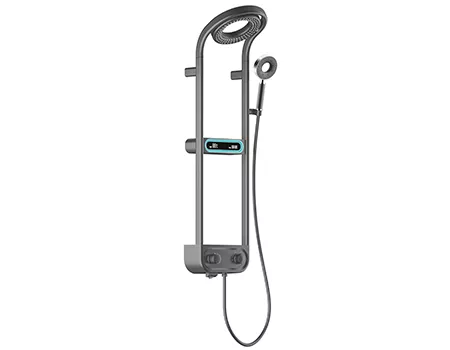
Shower Combo Set Boundary Framework
Reference Standard: Relevant material and performance testing standards, with component-level validation to be confirmed before any shower combo set performance claim is published.
Short Answer
Search Intent Is Not Product Evidence: Rebuilding the Shower Combo Set Page From Query Boundaries
A buyer searching for shower combo set is usually not asking for a single isolated part. The phrase suggests a grouped purchase path: a possible shower head, hand shower, holder, hose, rail, mixer, valve, diverter, mounting hardware, or other bathroom-use elements. Yet search intent is not product evidence. A page may acknowledge that people use the phrase to look for a combined shower solution, but it cannot state that any specific component is included unless the supplier data confirms it.
The first technical decision is to treat the keyword as a classification problem, not as a finished specification. The available input confirms only one reliable fact: the attachment does not provide shower combo set material, dimensions, interface details, performance data, or product-specific inspection records. That absence is not a writing obstacle; it is the most important data point. It tells the page what not to claim.
A safer content architecture starts with boundary language. Instead of writing “this set includes a handheld shower and valve,” the page should use condition-based phrasing: “when the confirmed set includes a handheld shower,” “if the supplier lists a valve body,” or “after the component schedule confirms the hose and bracket scope.” This keeps the page aligned with verified data while still helping the user understand how a combined shower product should be evaluated.

Edge extreme scenario model: imagine a page that claims a complete wall-mounted shower kit without a confirmed component schedule. The risk does not appear during reading; it appears during purchasing. A buyer may expect a valve, trim plate, hose, holder, and mounting hardware, while the seller may only intend a shower head and hand shower. The failure point is not metal fatigue or coating loss. It is scope fatigue, where each additional unverified noun increases the chance of commercial misunderstanding.
Cross-dimensional comparison case: compare two pages. Page A lists “premium shower combo set with durable finish, complete accessories, and easy installation” but provides no source-backed component map. Page B says “component scope must be confirmed before order placement; material, interface, flow rate, and installation hardware are pending supplier validation.” Page B may sound less promotional, but it is more useful because it separates buyer intent from claim evidence. In SEO terms, useful content is not the loudest content; it is content that prevents incorrect action.
A practical page should also avoid borrowing facts from unrelated categories. If the original catalog data contains textile products, socks, leggings, or unrelated factory QC terms, those facts cannot be transferred into bathroom hardware content. A textile inspection workflow cannot become a shower hardware pressure test. A sock production process cannot become evidence of plating, water sealing, or cartridge durability. The rule is simple: one product entity, one evidence boundary.
Bundle-Scope Drift: Separating Included, Optional, and Unknown Parts
The most overlooked risk in a shower combo set page is bundle-scope drift. This happens when a product name sounds complete but the actual sales package is not defined. A buyer may treat “combo set” as a full installation package, while the supplier may use it as a flexible listing term. That gap can cause wrong quotations, delayed samples, inaccurate comparison tables, and avoidable disputes.
Because the available data does not confirm any included component, the article should not invent a parts list. Instead, it should build a three-zone scope table that tells editors, sales teams, and buyers how to classify information before publication.
| Scope Zone | Current Data Status | Page Writing Rule | Buyer Risk Controlled |
|---|---|---|---|
| Confirmed Included | No confirmed component list available | Do not name fixed included parts | Prevents false package expectations |
| Optional Add-ons | No confirmed accessory options available | Mention only as supplier-confirmed options | Prevents upsell confusion |
| Not Confirmed Yet | Material, interface, hose length, coating, flow rate, valve scope, mounting hardware | Use pending-verification language | Prevents specification drift |
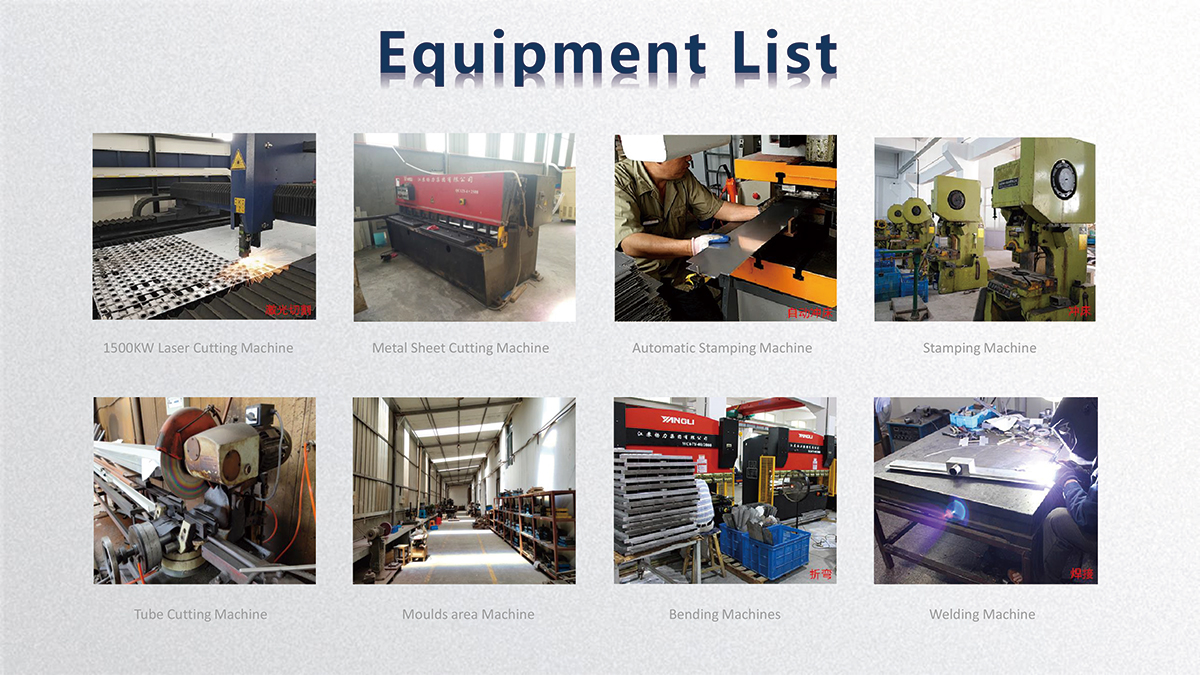
| Visual Evidence | Image pool does not prove shower product structure | Use images only as contextual brand or company visuals | Prevents image-to-claim mismatch |
| QC Evidence | No product-specific shower combo set QC record found | Use general validation language only | Prevents unsupported compliance claims |
A strong page can still be useful without claiming false details. It can explain the decision logic buyers should use before comparing offers. For example, a buyer should ask whether the set is sold for exposed installation or concealed installation only if the supplier confirms the configuration. They should ask whether the valve, diverter, hose, wall bracket, rail, escutcheon, screws, seals, washers, or installation guide are included only after the listing provides a real scope document. Without that document, the content must remain in the “pending confirmation” zone.
Edge extreme scenario model: a distributor builds a comparison sheet for 20 suppliers and treats every “shower combo set” as equal. In the first week, quotations look comparable. In the second week, the buyer discovers that some offers include only visible showering parts, while others include valves or installation accessories. By the final negotiation stage, the apparent price difference is no longer a price difference; it is a bundle-definition difference. The correct fix is not to add more adjectives. The fix is to lock the component scope before describing value.
Cross-dimensional comparison case: in consumer language, the page may describe “daily shower routines.” In procurement language, the same page must describe “package boundary control.” These two layers can coexist. The consumer layer helps the page match search behavior. The procurement layer prevents the content from becoming misleading. The final page should guide readers through a practical question: “What is actually included, and what still needs supplier confirmation?”
A useful internal route can point readers to the supplier’s broader business presence through general bathroom product sourcing information, but the link should not pretend that the current article has verified a specific shower combo set model. Internal links should support navigation, not create false evidence.
KEY TAKEAWAYS
- A “combo set” name does not prove which parts are included.
- Unverified component nouns create quotation and fulfillment risk.
- The safest page uses confirmed, optional, and unknown zones before making any product claim.
From Bathroom Routine to Copy Blocks: Mapping Use Scenarios Without Inventing Technical Specs
A shower combo set page can still answer real user needs by mapping bathroom routines rather than inventing specifications. The reader may want to understand how a combined shower product supports turning water on, switching between showering modes, using a handheld spray, returning the holder, rinsing the wall area, or cleaning after use. These are scenario blocks, not evidence blocks. They should help the reader organize questions, not assert product construction.
For example, a use-scenario paragraph can say: “If the confirmed set includes a handheld unit, users may need to evaluate grip comfort, hose reach, wall-holder angle, and cleaning access.” The phrase “if the confirmed set includes” is essential. It prevents the page from claiming a handheld unit exists. The same logic applies to every technical field: material, coating, cartridge type, thread size, hose length, flow rate, bracket material, installation depth, wall compatibility, and spare-parts availability.
Data Status: material, interface, flow rate, coating, valve scope, cartridge type, hose length, fixing method, and hardware package are not confirmed by the provided source data.
Edge extreme scenario model: a bathroom routine may involve repeated wet handling, soap residue, thermal cycling, and cleaning chemical exposure. In a verified product article, these conditions could support discussion of surface finish, seal aging, or component wear. Here, those effects must be framed only as fields to validate. The page may recommend asking for corrosion testing, flow testing, thread compatibility, and finish-cleaning guidance, but it cannot state that the product has passed those tests.
Cross-dimensional comparison case: consider two content blocks. One says “anti-corrosion shower set for long-term bathroom use.” The other says “corrosion resistance should be confirmed through supplier test data before the finish is described as suitable for repeated wet-room exposure.” The second version is more technically honest. It converts a marketing claim into a validation step.
A practical editor can use the following copy-control checklist before publishing any product page:
- Confirm whether the product is a complete set, partial set, or customizable bundle.
- Confirm every included component by name and count.
- Confirm material data for each visible and hidden component separately.
- Confirm installation interface, thread type, hole distance, and wall condition requirements.
- Confirm whether the valve, mixer, diverter, bracket, hose, seals, screws, and manual are included.
- Confirm coating or finish only after supplier data supports it.
- Confirm QC methods without borrowing unrelated factory processes.
- Confirm image ownership and make sure visual content does not imply missing components.
The routine-based structure helps the page sound natural while staying evidence-safe. It avoids the common AI pattern of filling missing data with generic phrases such as “durable,” “high quality,” “easy to install,” or “premium material.” Those words feel harmless, but they often hide missing proof. A strong page should replace them with confirmation prompts, measurable fields, and clearly separated content zones.
FAQ Firewall: Keeping Drain-Cleaning Queries Useful Without Turning Them Into False Product Claims
The provided FAQ queries relate mainly to shower drain cleaning: cleaning a drain, cleaning a drain pipe, pouring old coffee down a shower drain, keeping a linear drain clean, and removing a shower drain. These are useful bathroom-maintenance queries, but they do not prove anything about a shower combo set. The page should use them only as external maintenance context.
FAQ intent does not equal product specification. A drain-cleaning search does not prove that the product includes a drain, has a filter, prevents clogging, works with a linear drain, or improves pipe cleaning. The page can explain that bathroom fixtures are often researched together because users think about the whole shower area. Yet it must not merge the product entity with the drainage entity.

Edge extreme scenario model: a page tries to capture drain-cleaning traffic by adding “drain-friendly shower combo set” language. The short-term keyword gain may look attractive, but the semantic risk is high. A buyer could interpret the article as saying the product interacts with drainage performance. Unless a confirmed drain component or compatibility document exists, that claim should not appear.
Cross-dimensional comparison case: a maintenance article may discuss drain residue, hair accumulation, removable grates, or pipe cleaning. A shower combo set page should discuss how users move through a shower routine and what product fields require confirmation. These two article types can link conceptually through bathroom maintenance, but they should not share product claims.
When mentioning standards or testing concepts, the page should remain broad unless component data is confirmed. Possible future validation may involve water-supply fitting requirements, surface finish durability, material safety, or installation compatibility. Public standards organizations such as ASME and IAPMO can be useful reference points for plumbing-related compliance research, but a specific standard should not be assigned to this product until the actual component scope is known.
PRO-TIP / CHECKLIST
- Do not use drain-cleaning FAQ topics as proof of shower combo set features.
- Do not mention anti-clogging performance unless the product includes verified drain-related components.
- Keep bathroom maintenance advice separate from product specification language.
- Use conditional wording for every unverified component.
- Treat images as context, not proof of included parts.
- Request supplier confirmation before publishing material, coating, valve, hose, or installation claims.
- Keep FAQ answers short and entity-safe.
- Update the page only after verified data changes the evidence boundary.
Frequently Asked Questions (FAQ)
How to clean your shower drain?
Remove visible debris, rinse the drain area, and follow the drain manufacturer’s cleaning guidance. This maintenance topic does not confirm any feature of a shower combo set. It should remain a bathroom-care FAQ, not a product-performance claim.
How to clean shower drain pipe?
A shower drain pipe should be cleaned according to plumbing guidance and local maintenance rules. Do not connect pipe-cleaning advice to a shower combo set unless the set includes verified drainage components, which are not confirmed in the available data.
Why pour old coffee down shower drain?
Old coffee should not be treated as a verified drain-cleaning method for product content. If this query is used, frame it as a maintenance misconception and avoid linking it to shower combo set performance, material resistance, or drainage compatibility.
How to keep linear drain clean?
Linear drain cleaning usually depends on grate access, residue removal, and the drain maker’s care instructions. This does not prove that a shower combo set includes or supports a linear drain. Keep the topic separate from product specifications.
How to take shower drain out?
Removing a shower drain can involve tools, seal disruption, and plumbing risk. The answer should advise checking the drain model and installation instructions. It should not imply that a shower combo set includes drain removal parts or drain-compatible hardware.