
Round Countertop Sink Structural Engineering Guide
Reference Standard: ASME A112.19.2/CSA B45.1 Ceramic Plumbing Fixtures Standard, and ASTM C373 Standard Test Method for Water Absorption and Bulk Density of Burned Whiteware Products.
Short Answer
Asymmetric Hydrodynamic Shear and Boundary Layer Erosion: Fluid Velocity Distribution in Lateral Offsets
When fluid enters a round countertop sink, the geometric profile of the bowl forces incoming water into an immediate circular pathing sequence. This architectural containment profile translates downward kinetic fluid drops into localized vortical currents. Traditional rectangular basins distribute fluid energy along distinct perpendicular axes, but a curved vessel bowl retains kinetic energy, forcing liquid to slide across the glassy vitreous enamel in a high-velocity spiral sequence. This unique pathing shifts standard fluid-to-metal friction profiles into a multi-axis boundary layer shear strain problem, localized heavily across the lowest basin quadrant near the waste outlet assembly.
Vitreous china plumbing fixtures utilize a dual-layer material composition consisting of a porous, high-density silon-kaolinitic ceramic body fused beneath a micro-thin layer of impermeable borosilicate glass glaze. When domestic water supply systems discharge fluid at standard operating pressures—typically between 0.34 MPa and 0.55 MPa—the fluid impact zone experiences rapid dynamic shear deformation. If the fluid contains micro-particulate matter or mineral scale deposits like silica sand or calcium carbonate crystals, this constant vortex pathing acts as a liquid-abrasive grinding wheel. This focused flow constantly strips away the protective boundary layer, exposing microscopic surface variations within the protective enamel skin.
Extreme Environment Fatigue Modeling
Over extended operational timelines, these continuous hydrodynamic fluid currents degrade the structural basin through a multi-stage erosion process:
* Initial Surface Abrasion Phase (0 – 3,000 Fluid Cycles): High-velocity water drops wear down the smooth top profile of the borosilicate glaze layer. The surface roughness ($Ra$) increases from an initial smooth 0.2 microns up to 1.5 microns, altering the surface energy and creating microscopic anchoring sites for hard water mineral scale and soap residues.
* Micro-Fissure Development Phase (3,000 – 15,000 Fluid Cycles): Micro-particulate abrasion combined with cyclic thermal variations breaks down the smooth glass skin. Small stress cracks form around the high-impact drain zone, breaching the glaze protective barrier and opening pathways into the porous ceramic core below.
* Substrate Saturation and Structural Decay Phase (15,000+ Fluid Cycles): Water slowly penetrates the open micro-cracks, entering the porous ceramic body via capillary suction. This moisture absorption induces localized material swelling, generating internal expansion forces that lead to widespread glaze delamination, structural cracking, and eventual fluid weeping through the basin walls.
Cross-System Cascading Hazards
Subsurface moisture migration inside the porous clay base creates a latent structural failure vector for surrounding cabinetry elements. As water flows through the cracked glaze into the structural core, the clay body becomes saturated and begins to leach trace alkaline compounds into the mounting base. This alkaline moisture migrates past the lower mounting seals, attacking wood support vanities via moisture wood-rot pathways and corroding adjacent metallic mounting brackets. This continuous degradation can compromise the structural load capacity of the counter support network, leading to unexpected tilting or structural dropping of the basin assembly.
KEY TAKEAWAYS
- Localized loss of gloss or a dull surface finish developing around the immediate high-impact zone of the basin bottom.
- Fine hairline stress cracks appearing around the perimeter of the metal drain flange assembly under normal hot water usage.
- Persistent dampness or mineral salt deposits forming on the unglazed underside of the ceramic bowl shell.
Transverse Shear Fatigue on Elastomeric Couplings: Mechanical Displacement Under Multi-Axis Substrate Settlement
The field performance of countertop installations is directly linked to the structural connection between the rigid vessel base and the flexible drainage network. Unlike undermount or drop-in basins supported by broad vanity cutouts, a round countertop sink rests entirely upon a single localized mounting point. This installation layout leaves the assembly vulnerable to transverse shear strains whenever minor building settlement or countertops deflection occurs. When multi-axis shifting alters the alignment between the rigid basin stem and the fixed wall waste line, the intervening elastomeric seals absorb the resulting mechanical shear forces.
When a building undergoes natural foundation settlement or structural timber warping over seasonal humidity cycles, the countertop surface can shift out of true level alignment. This physical movement generates an immediate angular vector change at the drain connection point. Because vitreous china exhibits zero plastic deformation capability—possessing a brittle fracture profile with high compressive strength but minimal tensile flexibility—the metallic drain coupling transfers the movement directly into the underlying elastomeric gaskets. The sealing washers experience severe non-uniform compression, with one edge squeezed past its elastic limit while the opposing side suffers a significant drop in sealing preload.
Under continuous non-uniform loading, the internal molecular bonds of the elastomeric rubber washer experience advanced stress relaxation. The polymer chain crosslinks gradually realign to accommodate the physical displacement, degrading the gasket’s elastic memory. As the material deforms permanently into the joint gaps, the tight mechanical seal degrades, opening path cavities for wastewater to seep into surrounding structures.
Capillary Condensation Interfacial Decay: Differential Thermal Expansion in Low-Clearance Joist Cavities
The spaces beneath counter wash basins often experience stagnant air conditions and high ambient humidity. When a round countertop sink is filled with high-temperature water—such as during typical domestic washing tasks at temperatures around 48°C—the thick ceramic bowl walls act as a thermal storage block. The heat moves outward through the vitreous china shell via solid-state conduction pathways. However, because the lower mounting neck is shielded inside dark, low-clearance vanity cabinets where air movement is highly restricted, a sharp temperature difference develops between the hot upper bowl and the cool lower support assembly.
Vitreous china exhibits a Coefficient of Linear Thermal Expansion (CLTE) of approximately 6.0 x 10^-6 / K, whereas the surrounding brass or stainless steel waste pipe assemblies expand at a much higher rate, typically exceeding 16.5 x 10^-6 / K. When hot water drains through the fitting, the metallic drain sleeve expands rapidly against the slower-responding ceramic neck cavity. This structural expansion differences creates an outward mechanical force that stresses the internal radius of the clay drain opening.
When cold rinse water immediately follows the hot drainage cycle, the metallic pipe contracts rapidly while the heavy ceramic bowl remains thermally expanded. This abrupt temperature shift creates a temporary clearance gap between the sealing surfaces. The high-humidity air inside the cabinet space is drawn into this cool gap, triggering instant capillary condensation (Kelvin Condensation) along the unglazed joint faces. This trapped moisture slowly weakens the adhesive bonds of silicone bedding compounds, dissolving joint sealants and causing slow, persistent leaks that damage vanity floor panels below.
Multi-Variable Structural Material Analytics
The technical performance matrix below compares how different plumbing fixture materials perform when subjected to continuous structural vibrations, cyclic thermal shocks, and severe shear loads.
| Compounding Material Matrix | Tensile Modulus Boundary (GPa) | Water Absorption Density (ASTM C373) | Thermal Shock Crack Threshold ($\Delta T$) | Interfacial Shear Resistance |
|---|---|---|---|---|
| Vitreous China (Premium Fireclay) | 65 GPa Structural Limit | $\le$ 0.25% Mass Change | Sealing Intact at $\Delta T$ = 110°C | High Brittle Fracture Point |
| Engineered Acrylic Polymer | 3.2 GPa Structural Limit | $\ge$ 1.20% Mass Change | Sealing Intact at $\Delta T$ = 65°C | High Viscoelastic Slip Rate |
| Solid Surface Modified Resin | 9.8 GPa Structural Limit | $\le$ 0.45% Mass Change | Sealing Intact at $\Delta T$ = 85°C | Moderate Micro-Creep Deformation |
| Natural Metamorphic Marble | 52 GPa Structural Limit | $\ge$ 0.85% Mass Change | Sealing Intact at $\Delta T$ = 50°C | Low Intergranular Cleavage Bounds |
Technical Manufacturing Processes and Quality Framework
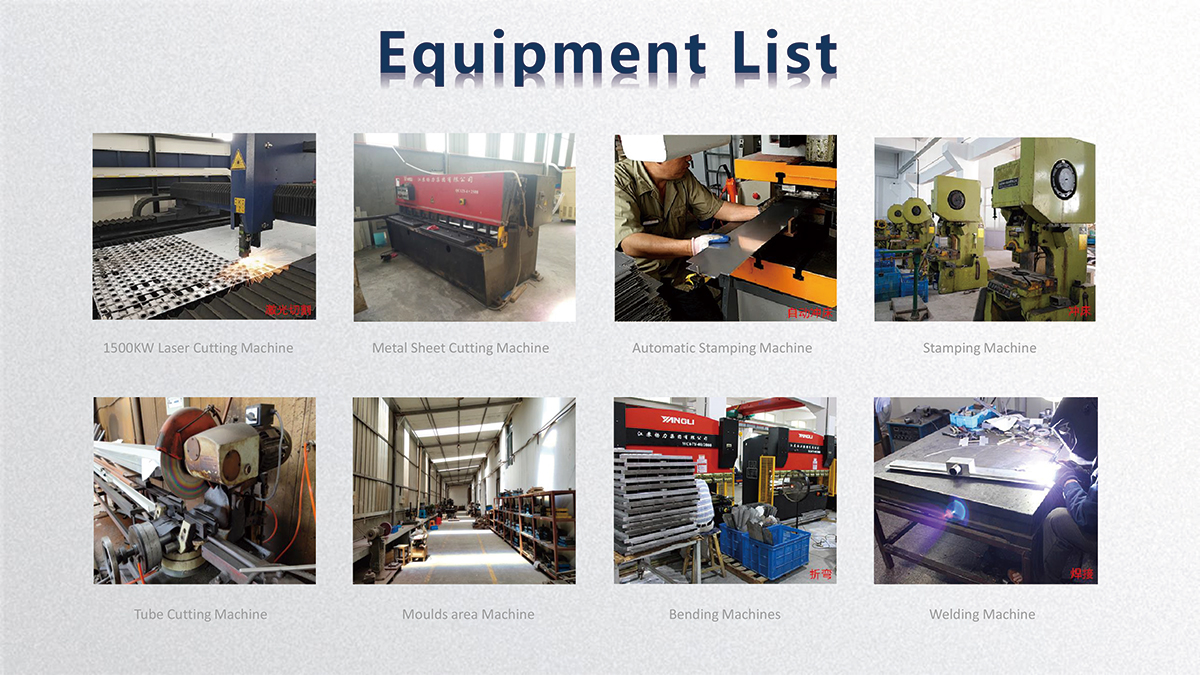
To ensure that commercial-grade sanitary fixtures comply with international building codes and pressure containment criteria, factories must enforce precise raw material processing and firing protocols.
Specialized Production Sequences and Engineering Protocols
- Precision Slurry Compounding and Particle Size Alignment
- Execution Protocol: Process raw kaolin clays, high-purity quartz silicas, and feldspar fluxes inside automated ball milling systems to achieve uniform particle size distribution. The refined liquid slip is then passed through high-gauss electromagnetic filters and micro-mesh vibration screens to thoroughly eliminate trace iron contaminants and unground mineral aggregates before mold injection.
- Material Structural Evolution: Yields a high-density, uniform ceramic base structure with minimized micro-void distribution, increasing the material’s post-firing flexural strength by more than 35%.
-
Risk & Side-Effect Mitigation: High-density slip formulations can experience uneven drying shrinkage inside the casting molds, which can lead to micro-warping. This risk is managed by maintaining tight environmental controls in the drying rooms, stabilizing relative humidity within $\pm$2% parameters.
-
Computer-Controlled Vitreous Glaze Application
- Execution Protocol: Apply a uniform layer of premium liquid borosilicate glaze across the dried clay bodies using automated multi-axis robotic spray systems. The glaze thickness is monitored in real-time via ultrasonic sensors, ensuring a consistent layer depth of 0.6mm to 0.8mm across both flat basin floors and sharp structural radii.
- Material Structural Evolution: Forms a perfectly fused, non-porous glass skin during the kiln firing sequence, lowering the baseline water absorption rating to under 0.2% mass change.
-
Risk & Side-Effect Mitigation: Overspray can pool inside the low-point drain holes, causing the glaze to crack or blister during firing. This issue is prevented by utilizing precision custom-molded silicone masks to shield the drainage faces during the spraying cycle.
-
High-Temperature Kiln Firing and Controlled Vitrification
- Execution Protocol: Load the glazed greenware into computerized tunnel kilns and subject the parts to a precise multi-stage firing curve that peaks at 1220°C. The temperature is held at this peak for a specific dwell window to fully vitrify the clay, followed by a gradual cooling phase to relieve internal stresses.
- Material Structural Evolution: Transforms the raw minerals into a dense matrix of mullite crystals and glass phases, ensuring compliance with international ASME A112.19.2/CSA B45.1 standards.
- Risk & Side-Effect Mitigation: Rapid cooling can induce thermal shock micro-cracking in the glaze layer. This is controlled by utilizing variable-speed automated cooling fans regulated by the central kiln control system to maintain cooling rates below 1.5°C per minute.
PRO-TIP / CHECKLIST
- Verify that raw clay slip batches are tested using high-field emission spectrometers to ensure material purity before slip casting.
- Confirm that fired glaze layer depth parameters are audited via non-destructive ultrasonic gauges across multiple test points.
- Check all mounting faces for flat, true alignment using precision granite surface plates before packaging for shipment.
- Utilize high-elasticity silicone bedding compounds during field installation to safely absorb structural counter expansion.
- Inspect internal drain profiles using go/no-go ring gauges to guarantee universal compatibility with standard waste hardware.
- Verify that finished production lots pass a 10-cycle thermal shock immersion test without showing any signs of glaze crazing.
Frequently Asked Questions (FAQ)
how to connect pvc drain to cast iron
To connect a modern PVC drain line to an existing cast iron waste stack, cut the cast iron pipe square using a snap cutter or diamond abrasive saw blade. De-burr the cut edge thoroughly, and install a rubber transition coupling certified under ASTM C564, securing the connection by tightening the twin stainless steel shielding bands to a torque specification of 6.8 Nm.
what can i use to unclog a shower drain
To clear an obstruction from a shower drain without damaging plumbing components, utilize a mechanical drain snake tool to physically capture hair bundles and soap scum accumulations. For organic buildup, apply an enzyme-based biological cleaner that breaks down keratin proteins without causing chemical degradation to underlying PVC or metallic pipe walls.
how to clear a blocked shower drain
For stubborn shower drain blockages, remove the decorative strainer grate and insert a manual hand auger directly into the waste trap line. Rotate the auger handle to drive the spring head through the mass, then retrieve the tool to extract the debris before flushing the line with hot water to verify flow capacity.
how to take shower drain out
To extract an unserviceable shower drain assembly, loosen the primary locking nut situated underneath the shower pan structure using an adjustable spud wrench tool. Once the lower mechanical lock is disengaged, break the old silicone top adhesive seal using a utility knife, allowing the drain body flange to be lifted upward out of the floor opening.
can you use drano in shower drain
Using harsh chemical drain cleaners in standing water environments is not recommended because the concentrated sodium hydroxide solutions generate intense exothermic reactions. This localized heat can warp thin-walled plastic piping, degrade structural rubber gaskets, and accelerate chemical etching on exposed decorative metallic trim finishes.
can you see thru sheer curtains at night
Yes, sheer window curtains become transparent at night whenever internal room lighting is activated while the exterior environment remains dark. The higher indoor illumination allows light rays to pass freely through the open mesh weave, providing outside observers with a clear view of internal silhouettes and movements.