
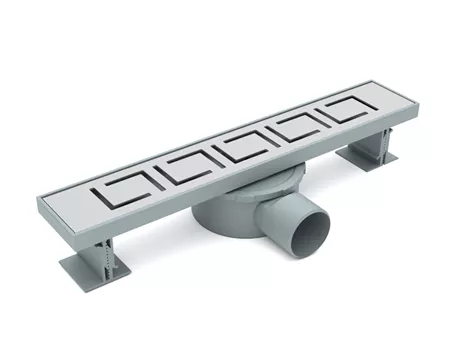
Why does a linear shower drain smell in high-humidity bathrooms?
Why does a linear shower drain smell even after surface cleaning? In high-humidity residential and commercial shower environments, persistent odors usually point to hidden hydraulic or installation-related issues rather than visible dirt. Understanding where these smells originate helps project managers and installers avoid repeat complaints and unnecessary replacements.
What users typically notice before odor complaints escalate
In wet-area bathrooms with frequent use, odor issues rarely appear suddenly. Many facilities managers report a gradual change: water drains quickly, yet a musty or sewer-like smell lingers after showers. This combination often confuses maintenance teams because flow performance seems normal on the surface.
For commercial bathroom project decision-makers, these complaints usually surface after handover, when the shower area has already passed visual inspection. At that point, the odor becomes a user-experience problem rather than a construction defect, making root-cause diagnosis more difficult.
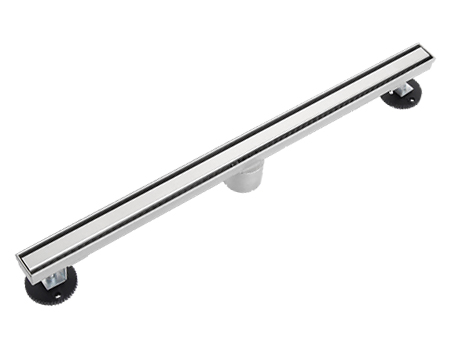
Why linear drain odor causes differ from point drains
Linear drains are designed around a long, shallow channel that spreads water intake across a wider opening. This geometry delivers a clear engineering advantage: high surface flow capacity with minimal standing water. However, odor behavior is governed less by surface geometry and more by what happens at the trap and outlet connection.
Compared with traditional point drains, linear systems are more sensitive to installation tolerances. Small deviations in slope or trap depth can reduce the effectiveness of the water seal that blocks sewer gases. When that seal weakens, odor backflow becomes noticeable even though drainage speed remains acceptable.
Dry trap conditions in intermittently used showers
One of the most common linear drain odor causes is a dry trap. In guest bathrooms, hotel rooms, or secondary commercial showers, water may not be used frequently enough to maintain a stable seal inside the trap. Evaporation accelerates in warm, ventilated bathrooms, especially when underfloor heating is present.
Once the water level in the trap drops below its designed seal height, sewer gases can migrate upward through the drain channel. This failure mode does not indicate a defective product; it reflects a mismatch between usage frequency and trap design.
In these cases, selecting a linear drain configuration with an integrated mechanical odor barrier or specifying a deeper trap profile can significantly reduce the risk. These selection decisions are typically addressed in a full linear drain buyer guide, where usage patterns are evaluated alongside layout constraints.
Biofilm buildup inside the drain channel and outlet
Another hidden contributor to bad smells is biofilm. Soap residue, shampoo, skin oils, and fine hair particles accumulate along the channel walls and outlet pipe. In a high-humidity environment, this organic layer supports bacterial activity that produces unpleasant odors over time.
Surface cleaning removes visible debris on the grate, but it rarely reaches the inner channel corners or the horizontal outlet section. Linear drains with longer outlet runs are especially prone to this issue if routine deep cleaning is not part of the maintenance plan.
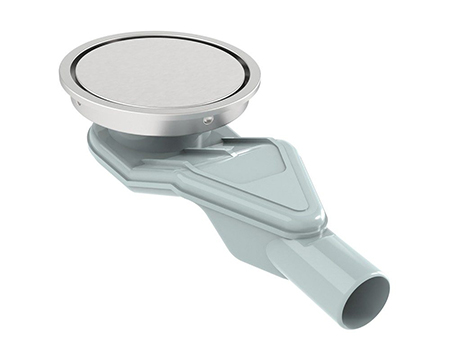
From a troubleshooting perspective, biofilm-related odor tends to be persistent rather than intermittent. If smells remain even after trap refilling, internal cleaning access and channel finish quality should be reviewed.
Improper slope and venting as systemic causes
Linear drain installations depend on precise slope control along both the channel body and the connected waste pipe. When slope falls below recommended tolerances, water may pool internally after each use. This residual moisture accelerates organic buildup and weakens the trap seal.
Venting also plays a role. Inadequate venting can create negative pressure during discharge from nearby fixtures, siphoning water out of the trap. The result is odor backflow that appears sporadically, often linked to peak usage times elsewhere in the building.
These issues are not always visible during initial inspection. They often surface only after real-world use, reinforcing why installation accuracy matters as much as product selection.
How testing standards relate to odor prevention
Odor control performance is indirectly evaluated through standardized testing rather than a single “smell test.” Flow rate testing verifies that the drain can evacuate water without prolonged pooling, while odor seal retention tests assess how well the trap maintains its water seal under simulated pressure changes.
For building projects in regulated markets, compliance with standards such as EN 1253 floor drain requirements provides a baseline for hydraulic and sealing performance in wet-area installations.
In North American projects, plumbing engineers often reference guidance aligned with ASME plumbing and drainage standards to evaluate trap behavior and system integration. While these standards do not eliminate odor risk entirely, they help identify configurations that are more tolerant of real-world conditions.
Practical diagnosis steps before replacing the drain
Before specifying a replacement, several low-disruption checks can clarify the root cause. Observing whether odors disappear after trap refilling helps distinguish dry trap issues from biofilm problems. Inspecting the outlet slope with a level can reveal marginal installation errors that were previously overlooked.
Where access permits, flushing the channel with warm water and a non-corrosive cleaner can temporarily reduce biofilm-related smells. If odors return quickly, the internal surface finish or outlet configuration may need reconsideration.
Prevention strategies at the specification stage
Many odor complaints trace back to early-stage decisions rather than product defects. Matching trap depth and outlet orientation to actual usage frequency reduces reliance on perfect maintenance. In commercial projects with intermittent use, mechanical odor barriers provide an extra layer of protection.
Specifying linear drains with accessible channels simplifies long-term cleaning and inspection. These considerations are often addressed when comparing linear drain options in context, which is why designers and contractors frequently consult a broader linear drain buyer guide for commercial and residential shower projects instead of treating odor complaints in isolation.
Standards, verification, and long-term reliability
Reliable odor control comes from aligning drain geometry, trap design, and installation quality with the realities of a high-humidity shower environment. Flow rate tests confirm that water does not stagnate, while odor seal retention tests indicate how well the system resists pressure fluctuations that can break the seal.
This analysis is developed based on material performance considerations, standardized plumbing testing practices, and real-world bathroom usage patterns. By treating odor backflow as a predictable failure mode rather than a surprise, project teams can specify linear drains that maintain both hydraulic performance and indoor comfort over time.
When linear drain odor causes are addressed through appropriate selection, verified testing, and accurate installation, the core advantage of linear systems—efficient, unobtrusive drainage—remains intact even in demanding wet-area applications.