
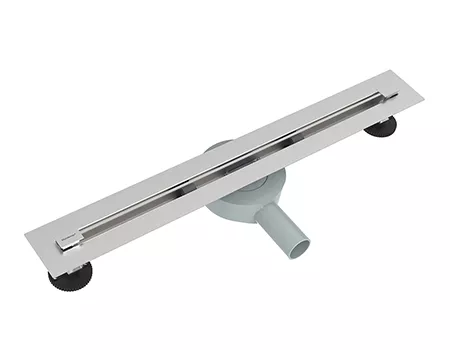
Why linear shower drain channel maintenance accessibility affects long-term clogging risk
Clogging often develops quietly when cleaning access is restricted in a high-humidity bathroom, especially after a shower space has already been tiled and commissioned. In many commercial and residential projects, the real issue is not water flow capacity on paper, but whether the linear shower drain channel can be accessed easily enough to remove debris before it accumulates into a hygiene and maintenance problem.
What “maintenance accessibility” really means in linear shower drain design
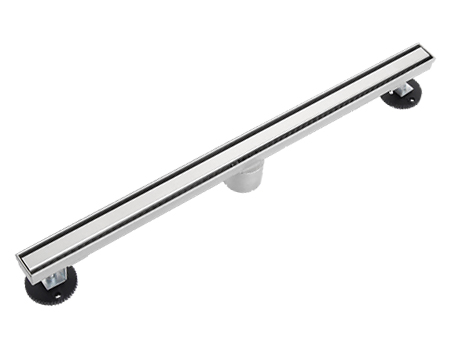
In practical terms, maintenance accessibility refers to how easily a facility manager, contractor, or homeowner can reach the interior of the drain channel after installation. For linear shower drains, this usually depends on whether the grate or cover can be lifted without tools, whether the channel geometry allows hands or basic cleaning tools to reach corners, and whether hair and soap residue can be removed without dismantling finished surfaces.
Unlike point drains, linear drains are often integrated tightly along walls or thresholds. This integration improves aesthetics and water capture, but it also means that poor access design can turn routine cleaning into a disruptive maintenance task. Over time, that friction leads to deferred cleaning, which directly feeds into clogging risk.
This is one of the reasons many project teams evaluating linear systems eventually step back to review the broader decision logic in a full linear drain buyer guide, rather than treating access as a minor detail.
How limited access leads to debris accumulation and hygiene issues
The most common failure pattern observed in linear shower drains is not structural damage but gradual blockage. Hair, soap scum, mineral residue, and fine construction debris settle in low-velocity zones inside the channel. When access is awkward, these materials remain in place longer than they should.
In high-humidity bathroom environments with frequent water exposure, this buildup accelerates. Warm, moist conditions promote biofilm formation, which traps additional debris and narrows the effective flow path. Users may first notice slow drainage or residual water along the channel edge, long before a full blockage occurs.
Importantly, this is not a sudden failure. It is a predictable outcome when routine cleaning is skipped because access feels inconvenient. That is why maintenance-oriented design has become a key evaluation factor for plumbing engineers and project managers responsible for long-term operation.
Access mechanisms that reduce maintenance effort after installation
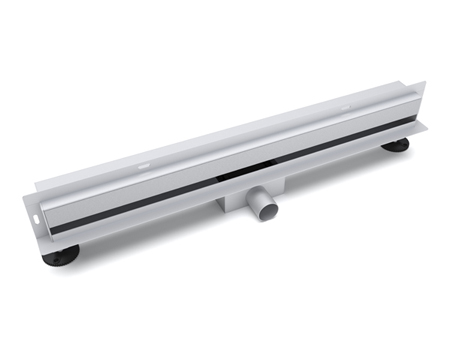
From a structural perspective, the most effective access mechanisms are simple: removable grates, straight-through channel profiles, and smooth internal surfaces. When the grate can be lifted vertically without prying against tile edges, cleaning becomes a low-effort task that is more likely to happen on schedule.
Channel depth and width also matter. Extremely shallow channels may look elegant but can limit finger or tool access, especially near outlet transitions. Conversely, channels with gentle internal radii and consistent cross-sections allow debris to be removed in one pass rather than scraped from corners.
These design choices do not eliminate maintenance, but they reduce the time and disruption required. For decision-makers comparing different linear shower drain options, this distinction often proves more important than marginal differences in nominal flow rate.
Why access design matters more in commercial and shared-use showers
In commercial restrooms, hotels, gyms, and multi-family residential buildings, usage frequency magnifies small design flaws. A drain channel that is “acceptable” in a single-family bathroom may become a recurring maintenance headache when dozens of users contribute hair and debris daily.
Facility managers in these environments tend to prioritize predictable cleaning routines. When a linear drain allows quick visual inspection and straightforward removal of buildup, maintenance schedules stay intact. When access is obstructed, cleaning is postponed until a complaint or visible overflow forces intervention.
This operational reality is why many commercial specifications now explicitly reference access and cleanability when selecting shower drainage systems, rather than focusing solely on appearance or initial cost.
Engineering tests that relate access, flow, and clogging behavior
Although accessibility itself is not a standalone certification, its impact shows up indirectly in standardized testing. Flow rate tests and debris clogging simulations are commonly used to evaluate how drains perform under controlled conditions when exposed to representative waste loads.
Standards such as EN 1253 floor drain testing focus on hydraulic performance and water seal behavior, but real-world maintenance outcomes depend on whether those tested conditions can be restored through cleaning. If debris cannot be removed easily, initial test performance becomes irrelevant over time.
Similarly, material and surface finish considerations referenced by organizations like ASTM International influence how strongly residues adhere to channel walls. Smooth stainless steel surfaces paired with good access geometry consistently show lower long-term clogging risk in field observations.
Common post-installation warning signs that access is insufficient
There are several early indicators that a linear shower drain may be difficult to maintain. Grates that flex or bind when lifted, visible residue that cannot be reached by hand, or persistent odors despite surface cleaning all suggest that the channel interior is not being serviced effectively.
Another warning sign is reliance on chemical cleaners to restore flow. While these products may offer temporary relief, they often mask the underlying issue: debris that cannot be physically removed due to poor access.
At this stage, project teams often reassess whether the original drain selection adequately considered lifecycle maintenance, rather than only installation-day performance.
Preventive practices that work with accessible channel designs
When access is designed correctly, preventive maintenance becomes straightforward. Periodic removal of hair and residue using simple tools keeps flow conditions close to their tested baseline. Visual inspection after cleaning confirms that no hidden pockets remain.
In shared facilities, documenting cleaning intervals and training staff to remove and reseat grates correctly further reduces the likelihood of accidental damage or misalignment. These practices rely on access that is intuitive rather than forceful.
Over the service life of a shower installation, this approach consistently outperforms reactive maintenance triggered by blockages or complaints.
Connecting maintenance access back to smarter drain selection
Ultimately, maintenance accessibility is not an isolated feature; it is part of a broader selection logic. Choosing a linear shower drain without evaluating how it will be cleaned shifts risk from the installation phase to daily operation.
For teams weighing multiple options, reviewing access design alongside channel geometry, outlet configuration, and compliance testing provides a more complete picture. This is why many professionals treat accessibility as a deciding factor when narrowing choices in the linear drain buyer guide, rather than an afterthought.
Standards, validation, and long-term reliability
While no single standard certifies “ease of cleaning,” standardized flow and durability tests establish the baseline conditions that maintenance must preserve. Flow rate tests and debris simulations demonstrate how a drain performs when clean; accessible designs make it feasible to return to that state repeatedly.
In high-humidity bathroom environments, aligning material choices, surface finishes, and access mechanisms with recognized testing practices ensures that long-term performance remains predictable rather than theoretical.
This content is developed based on material performance analysis, standardized plumbing and drainage testing references such as EN 1253 and ASTM methods, and real-world application scenarios related to high-humidity bathroom environments. Product behavior discussed here reflects how linear shower drain channel maintenance accessibility influences clogging risk and long-term reliability when validated through routine inspection and cleaning rather than one-time installation checks.